

Sustainable Events Management:
Waste Management - Best Practice Guidance & Examples
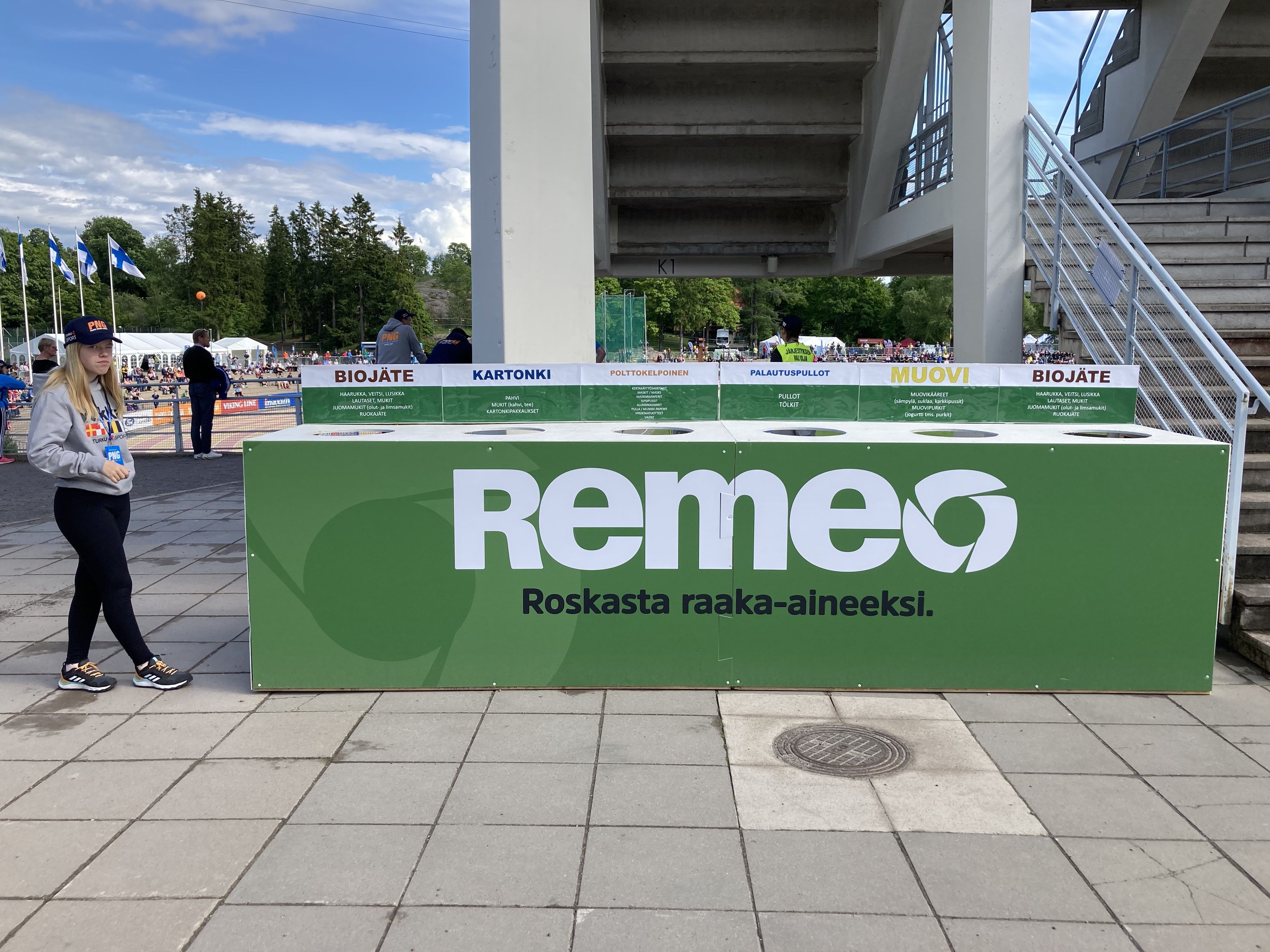
Waste management system at the Paavo Nurmi Games (© Bob Ramsak)
This page includes:
- Best practice examples from events
- Best practice guidance for organisers from the World Athletics Sustainable Events Management System, and
- additional resources
Attention event organisers:
- Did you know that our Sustainable Events Resource Centre has 13 templates available to help with your sustainability planning and reporting?
- What are some of the ways that you have incorporated a more sustainable waste management system into your event? Let us know so we can share your examples here with others. Get in touch at sustainability@worldathletics.org.
Last updated: 04 December 2025


Waste Management - Best Practice Examples
18 September 2025
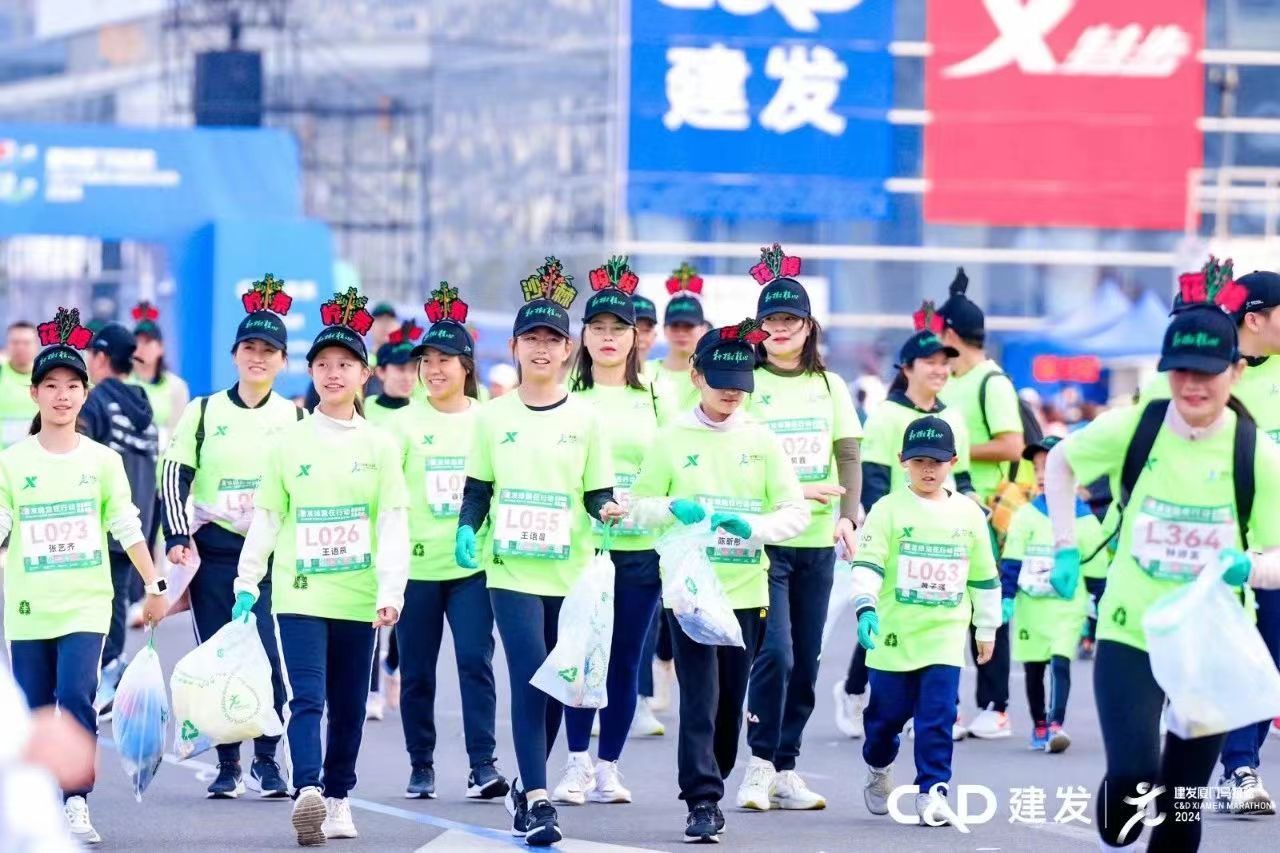
Beach clean-ups and plogging for the Xiamen Marathon
Underscoring its commitment to leaving a lasting environmental legacy, 2024 C&D Xiamen Marathon organisers arranged clean-up and awareness-raising efforts throughout the year.
After the 2024 event, five hundred families participated in the Jianfa Green Run in Action to help clean up the course. Clean-ups also took place at five beaches that lined the race course, with 314 volunteers collecting 258.2kg of waste.
100 families also participated in an educational visit to a mangrove park and another 20 were invited to Xiamen University to attend a lecture on plastic pollution and marine environmental protection.
Coinciding with the marathon, nearly 350 people attended the inaugural Road Races Sustainability Forum, the first all-day event dedicated to sustainability organised by a World Athletics Label Race.
 |
 |
04 September 2023
Tallinn Marathon medals made from electronic waste
The 2023 Tallinn Marathon became the first European capital where participation medals for an international sports event were made from used consumer electronic waste.
Priit Verlin, the medal’s designer, praised the joint initiative of Tallinn, the European Green Capital and race organisers. The medals depicted the barn swallow, Estonia’s national bird.
“The medals are by their nature environmentally friendly and green, helping promote reuse of materials and valorisation of old things,” said Verlin. “The medals of Estonia’s biggest sports event contain parts of former electronic devices and old printing plates – old metal has thus been given a new, dignified life.”

19 March 2023
WCH Oregon 22 waste diversion rate tops 80%
Working in partnership with local and regional waste management providers, organisers of the World Athletics Championships Oregon 22 diverted 13,200kg of waste from landfill for an 80.17% waste diversion rate. Creating strong local partnerships that utilised all available options that existed locally were key to that success. Organisers also salvaged 2.28 metric tonnes of metric tons of construction materials for reuse.
The Materials Management Delivery Plan prioritised waste reduction, reuse recycling and composting across all aspects of WCH Oregon 22. The plan also included next steps for responsible waste management and cleaning for all venues and spaces for the duration of the event.
Organisers developed a plan whose key objectives were:
- Provide a materials management plan that prioritises waste reduction and materials reuse, recycling and composting across all experiences
- Provide responsible disposal of waste materials that cannot be recovered for reuse, recycling or composting
- Track and measure materials generated at event venues including food rescue, food waste collection, materials for recycling and landfill bound waste
- Provide cleaning services that ensure all spaces and venues are clean and sanitised and free of litter and excessive waste
And with the following key deliverables:
- Materials Management- Provide best practice advice on procurement of goods across all aspects of the event to ensure a sustainable materials management approach—minimising waste, emphasising reuse and recycling and composting as much as possible.
- Waste Management- Provide an adequate number of bins to collect waste, recycling and compostable materials. Provide services to collect fry oil and grease, and grey water removal for food trucks/vendors.
- Identify service provider(s)
- Track and measure all materials diverted from venue spaces.
- Cleaning- Provide clean and sanitised spaces at the beginning of each day.
- Provide consistent monitoring for sanitation, spill and litter clean-up throughout the event.
Key takeaway for success?
Waste management planning began more than 18 months prior to the event.
05 June 2022
Waste Management at the Paavo Nurmi Games in Turku
The Paavo Nurmi Games, one of the most important annual sporting events in the western Finnish city of Turku, has, in accordance with local regulations, a zero landfill waste policy.
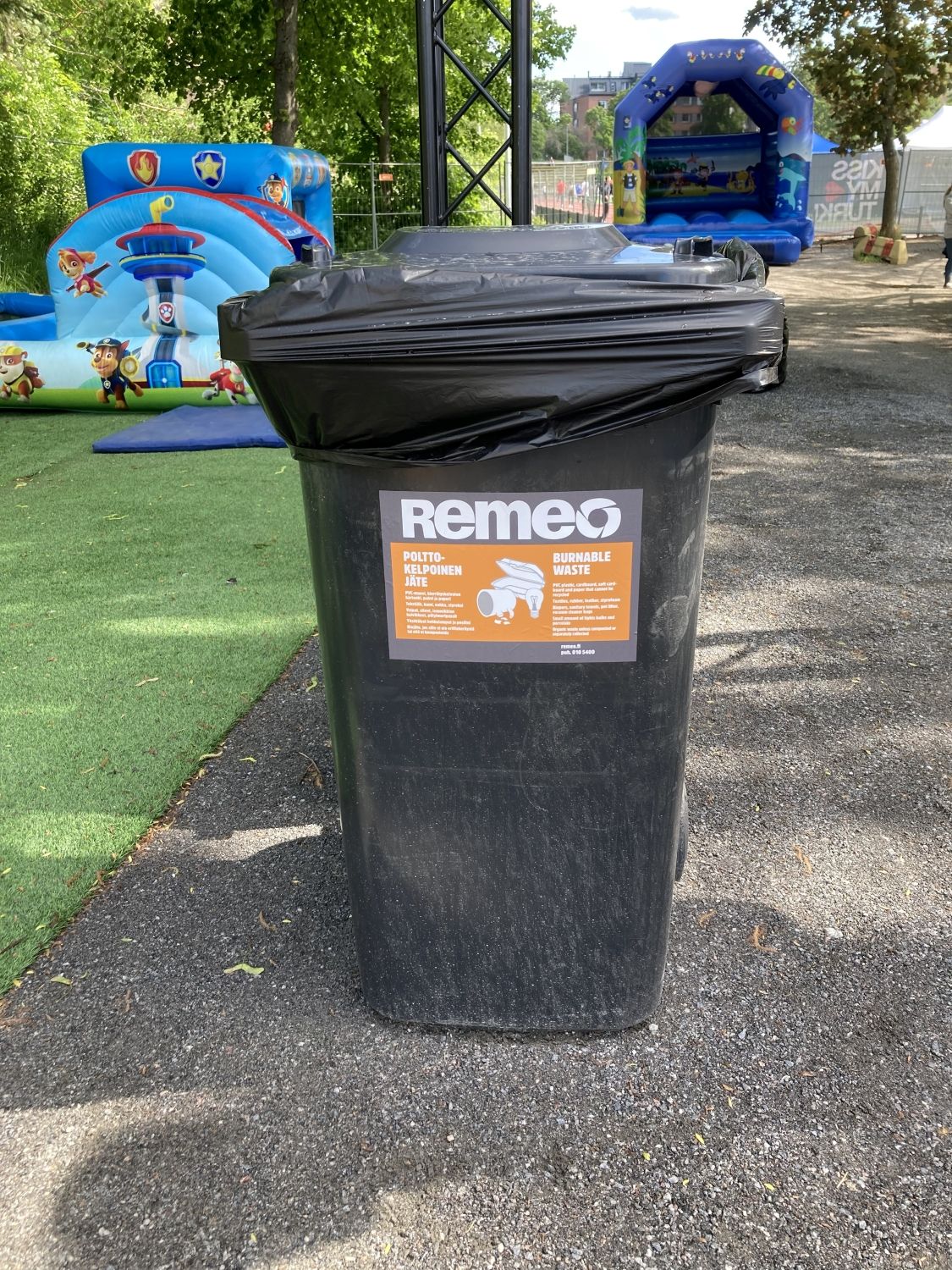
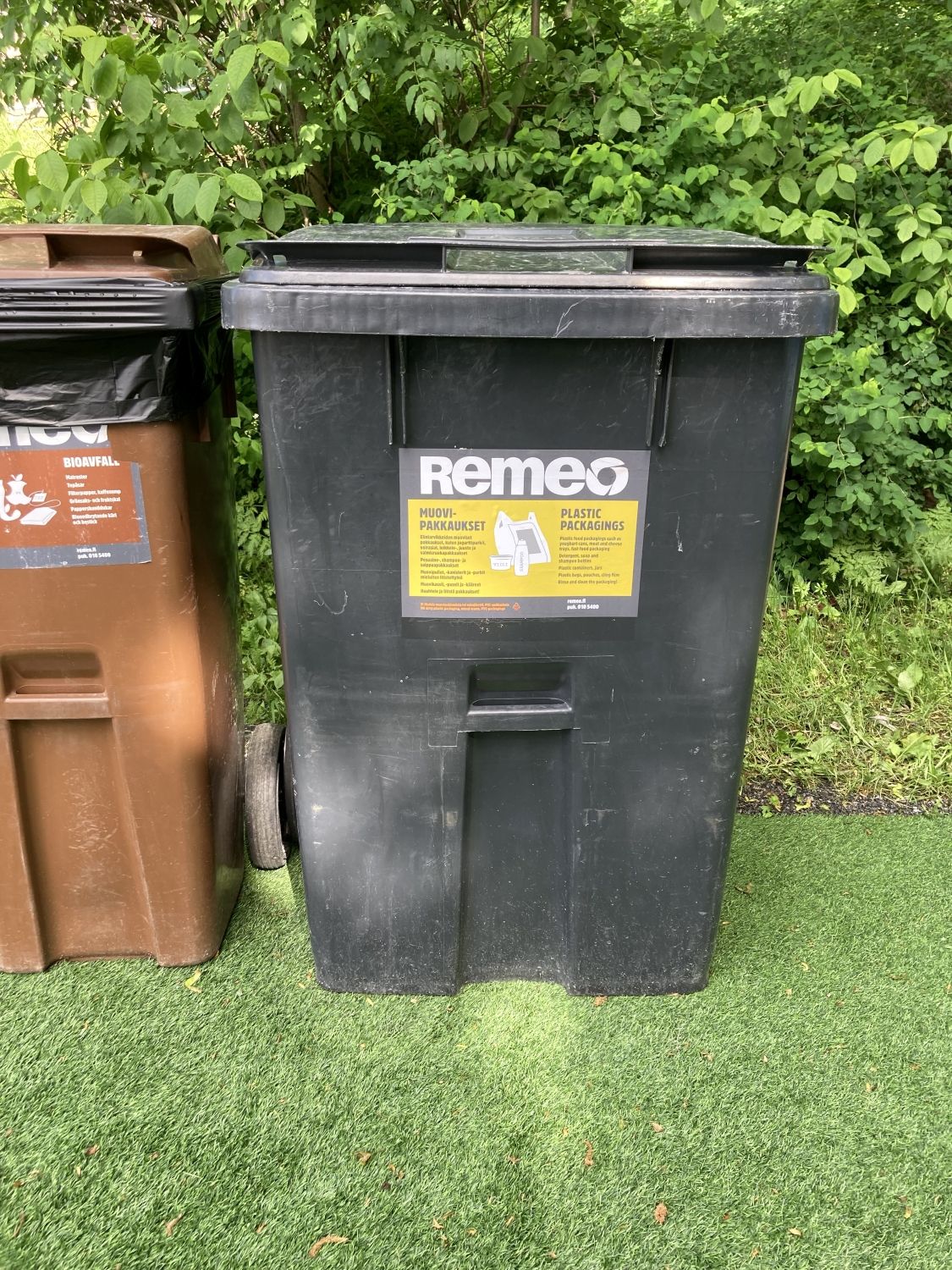
Clearly identified waste bins are located throughout the stadium and around the stadium grounds - with a volunteer stationed at each to ensure that they're used properly. That's an excellent example on multiple fronts: it ensures proper disposal and also includes an educational component through the volunteers who are all well versed in local waste management processes. The local waste disposal company that partners with the event also receives considerable visibility.
|
|
|
|
Waste Management - Best Practice Guidance
Sound waste management will lead to a reduced carbon footprint, increased sustainability, will minimise impacts on species and habitats through pollution/ littering and lower financial costs. A large component of waste management starts through minimising the actual waste produced during the procurement phase of an event.
Waste planning
Due to the global nature of events and different capacity to deal with waste in different locations, each event will have a separate waste plan that identifies all the anticipated waste and identifies the waste routes available. The plan should be aligned to the waste management provision locally available as well as the local legislative requirements.
Waste management contractors will be chosen in each location and should be procured on their ability to achieve the targets and provide the evidence through comprehensive data reporting. Selecting local providers who can help to deliver across the waste hierarchy (see Figure 2) will be an added advantage. It may, however, require more than one waste contractor to achieve the required targets. Always ensure that the waste contractor identified is registered, if required, with the local environmental agency.
To effectively segregate waste, sufficient space needs to be planned that allows waste to be stored safely and securely. Make sure that extra precautions are taken when storing hazardous waste (such as bunding around areas with liquid hazardous waste).
Bins for all waste streams should be kept in pods together to minimise contamination along with clear signage. All staff should be aware of the plan, briefed on the local delivery and take responsibility for their actions.
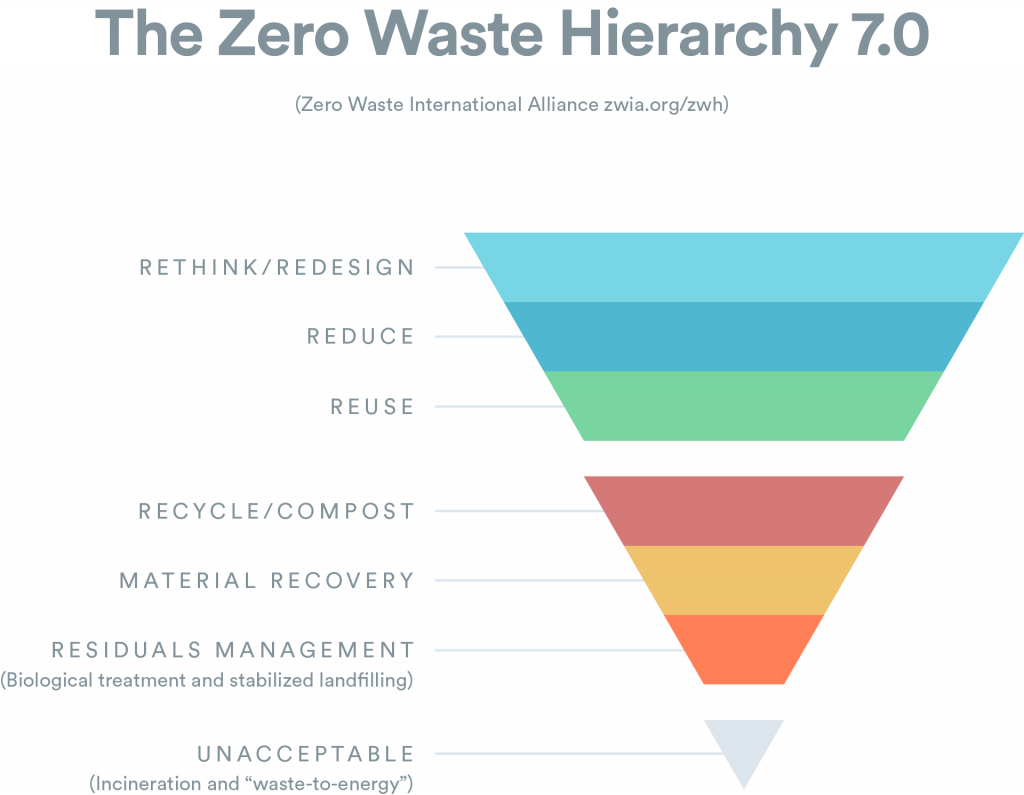
The Zero Waste Hierarchy via Zero Waste International Alliance
Waste production and waste streams
Waste is produced at the event offices prior to events as well as on the event site during the build-up, event delivery and event breakdown.
Waste streams will include:
- Office: paper, electronics, batteries, cleaning products, food packaging, waste food, left-over food
- Events: branding, paper, batteries, broken equipment, food packaging, waste food, left-over food, glass, packaging, overlay waste, equipment (broken and useable)
Waste management
Whilst it will vary depending on the local facilities, targeting 60% of total waste, by weight, to be recycled and zero to be disposed via land fill is a reasonable ambition. The following steps to implementing the waste hierarchy can be seen below:
1. Eliminate
The first goal is to eliminate any unnecessary waste produced and where that is not possible to use the most environmentally beneficial means of disposal achieved by following the waste hierarchy. A review of all waste produced and identification of the source of the waste will identify where alternatives exist to eliminate that waste stream.
Common to all World Athletics events should be an ambition around the elimination of single use materials and products. Alternatives to products such as single use bottled water should be identified, and water refill stations supplied. Where water refill stations for public and staff are provided, refillable bottles can be provided as a revenue stream or individuals encouraged to bring their own. A similar approach can be implemented for take-away coffee cups.
Solutions to replacing sealed, plastic water bottles whilst ensuring there is no tampering on the competitive sports field, will require a collaborative approach and is often a challenge to implement these areas. However, there are plenty of examples where this is satisfactorily achieved.
Packaging and plastic bags should also be eliminated as far as possible and is a key part of the sustainable procurement code. Staff should work closely with suppliers to minimise the quantity of packaging necessary to deliver the products.
For printed materials, only print when necessary and when it is, print double sided and recycle all unwanted paper. Installing print release functions can reduce wastage of printing that is not collected.
Catering waste should be eliminated with careful portion control, menu planning and stock control as well as ticketing and catering numbers. Different audiences will also demand different quantities and types of food. Working closely with the catering provider should help eliminate waste in the first instance. Reusable tableware should be part of the inventory rather than single use disposable. Even through the provision of temporary dish-washing machines, it will work out cost effective even for a short-term event.
2. Reuse
Where it is not possible to eliminate waste, the reuse potential should be assessed. At each event location, pre-planning should identify potential materials for reuse, maximising the rental market and working with local partners can identify a range of potential local community benefits. The rental market can provide a large amount of reusable temporary infrastructure.
Single use branding should be avoided as far as possible and where a series of events are held or repeat events at the same location, design of branding to minimise the need to continually change branding due to date, location and sponsor should be a clear requirement for branding agencies. Branding should be designed to be reused as far as possible or given to local community groups for a range of innovative and creative uses.
Equipment will be reasonably easy to find reuse opportunities through the national federation to the local clubs. It may be a perfect opportunity to improve the quality of the local club equipment as part of the event legacy programme.
Excess edible food is often produced from event hospitality and there are an increasing number of charitable digital platforms where catering managers can publish left over edible food for collection by individuals or organisations e.g., Olio, Copia.
3. Recycle
Recycling is where the waste material is processed into the same or similar materials. Plastics are generally widely recycled however the different types and grades of plastic can cause challenges. Similarly products made of mixed materials are also difficult to recycle. So, whilst a product may say it can be recycled, this may be only once the component materials have been separated e.g., single use coffee cups.
Where it is not possible to eliminate or reuse products/ materials once the event has used them, the materials should be able to be recycled and non-recyclable materials avoided as far as possible. The type of material and its recyclability should be specified in the initial procurement.
Branding should be recyclable or reusable where possible. Donation opportunities should be sought for materials which will not be reused by World Athletics but have alternative uses such as PVC banners which are hard to recycle.
Composting of food and compostable packaging is regarded as recycling where actual compost is created. It should be noted that this processing is not commonly available. Care should be taken when specifying compostable tableware to ensure that “in vessel composting” IVC or open windrow composting facilities are available and that by using compostable packaging you are not contaminating the recycling waste streams.
Often food waste is taken for anaerobic digestion (AD) which is technically energy recovery, not recycling. This process is unable to process compostable tableware which results in contamination of the waste stream and ultimately dealt with as general black bag waste.
4. Recovery
Recovery is where waste materials are incinerated and turned into energy. Black bag waste of non-recyclable plastics or contaminated recycling will go to a waste-to-energy plant and incinerated to produce energy. Construction waste and contaminated waste is not sent to energy recovery and may result in being sent to landfill. Where composting facilities are not available, food and compostable packaging may be processed through anaerobic digestion which is, technically, recovery.
5. Treatment
Treatment is where the waste is treated before disposal into the natural environment such as wastewater. For events you need to be aware of any equipment wash down and the products used to ensure they can be disposed without treatment into foul sewers or waterways.
Temporary sanitary and kitchen facilities will need to be connected to the correct drainage systems.
6. Disposal
Disposal is where the waste is sent to a landfill – this is the case for hazardous waste streams and some construction materials, however, innovations to recover materials such as paints, carbon fibre and resins are increasingly available and should be explored. These may only be available through specialist contractors.
Disposal can be minimised through careful procurement so should be avoided as far as possible in the waste management planning. Materials such as plasterboard (gypsum) will need segregating and cannot be disposed of in regular landfill so should be removed at the procurement stage.
Other hazardous or special waste such as batteries, oils and waste electronic equipment will need to be separated and disposed of according to local regulations. These should be identified at the waste planning stage.
Waste communications
Communicating the plan to staff, contractors and visitors is critical. The cleaning contractor should be actively engaged in the waste management to ensure their internal training covers the different waste streams and reporting is available where contamination of waste streams or insufficient bins occurs so action can be taken before the waste plan breaks down.
Clean signage is essential with consistent, unambiguous diagrams and/or colour coding across all waste receptacles. Bins should be provided in pods according to the waste streams arising in each location. Many people do not go and look for specific bins – they will simply use the closest.
Pre-event training should be undertaken to brief staff and volunteers as to how to reduce waste and remind them regularly to act - this can occur as a requirement of the accreditation process.
Communications to suppliers and contractors should be done prior to event time as well as during site induction briefings and again be built into the accreditation process.
Monitoring and Reporting
Event time monitoring
Regular audits throughout the event are recommended to ensure the plan is working effectively. Provision and resource should be identified in the plan to be able to move and adapt the location of bins and the signage and messaging.
Waste reporting
To evaluate effectiveness of waste management planning, and assess achievement against the targets, waste data should be recorded with the minimum required data to include the following breakdown:
- Total quantity (tonnes) of waste
- % split across type of waste (general waste, recycled, glass, food)
- Processing method of each waste streams
This data will be collected by the waste contractor and should be a requirement of contract, which is only fulfilled once the service is complete and the data provided.
In certain countries, waste records are required to be retained by the waste producer which is the event authority. The legal requirements for a specific country should be identified in the waste plan.
These actions should be implemented throughout the event planning and delivery cycle:
1. During event planning
- Relevant, applicable legislation has been identified to ensure compliance
- Effective, sustainable procurement has been implemented, essential to limiting waste, particularly in the fast-moving event world
- A resource management plan has been developed, following the waste hierarchy, identifying materials/ products and their waste disposal routes
- Applicable waste streams have been identified
- Best options for waste containers and lids to enforce segregation have been determined
- Waste volume has been anticipated and bins have been allocated accordingly with signage designed to meet stakeholder needs
- Locations have been identified for clearly identifiable bins to facilitate waste separation - E.g. 1) Paper and card, (2) bottle shaped plastic and tins/cans, and (3) general / residual waste
- Sufficient space is planned to facilitate safe and secure waste storage
- Hazardous waste streams have been identified and relevant extra precautions have been taken regarding storage
- All staff have access to the waste management plan
Selecting suppliers and contracting services
- Waste management contractors procured on their ability to manage identified waste streams and deliver across the waste hierarchy; more than 1 contractor may be required
- Ensure that waste contractor has relevant registration and licences prior to contracting
2. During event delivery
- Assign responsibility for monitoring and enforcing the waste management plan. Regular audits throughout the event ensure the plan is working effectively
- Brief staff and volunteers as to how to reduce waste and remind them regularly to take action
- Bins, both back of house and front of house (complete with simple to follow information, at eye height, with bin lids that aid identification and prevent contamination) have been distributed according to plan
- Responsibility for monitoring/ policing bin usage and non-contamination has been assigned
- Ensure waste is collected by a company registered with the local environmental agency as a waste carrier and is being taken to a permitted waste site or transfer station
- Publish waste collection schedule
- Store waste safely and in a secure area, make sure that extra precautions are taken when storing hazardous waste
- Daily non-compliance issues are reviewed daily with action taken to improve
3. Post event wash up
> Waste production will be recorded, including, at least, the following breakdown:
- Total quantity (tonnes) of waste
- % split across type of waste (general waste, recycled, glass, food)
- Processing method of each waste streams
> All waste management contractors are engaged to collect feedback and data against waste management plan, which is fed into post event report
> Waste management will be reviewed, against objectives and KPIs as part the post event review meetings
Videos
video
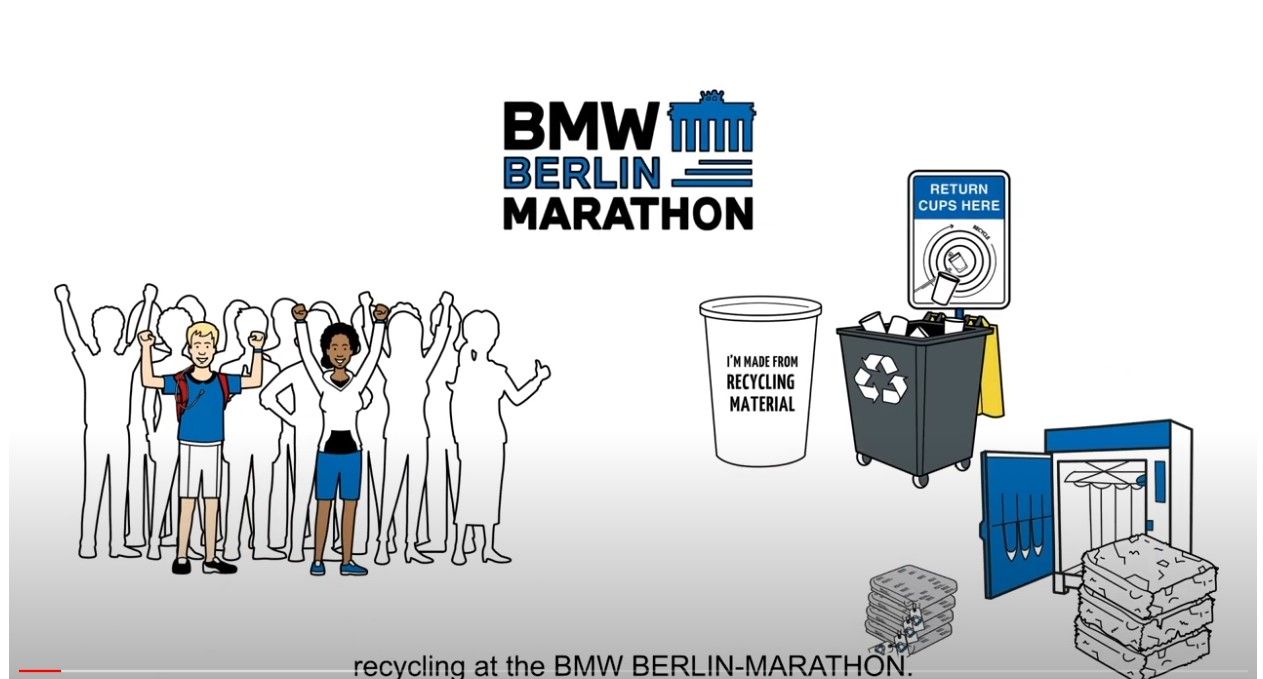
Together for more sustainability at the BMW BERLIN-MARATHON – Follow the green line

video
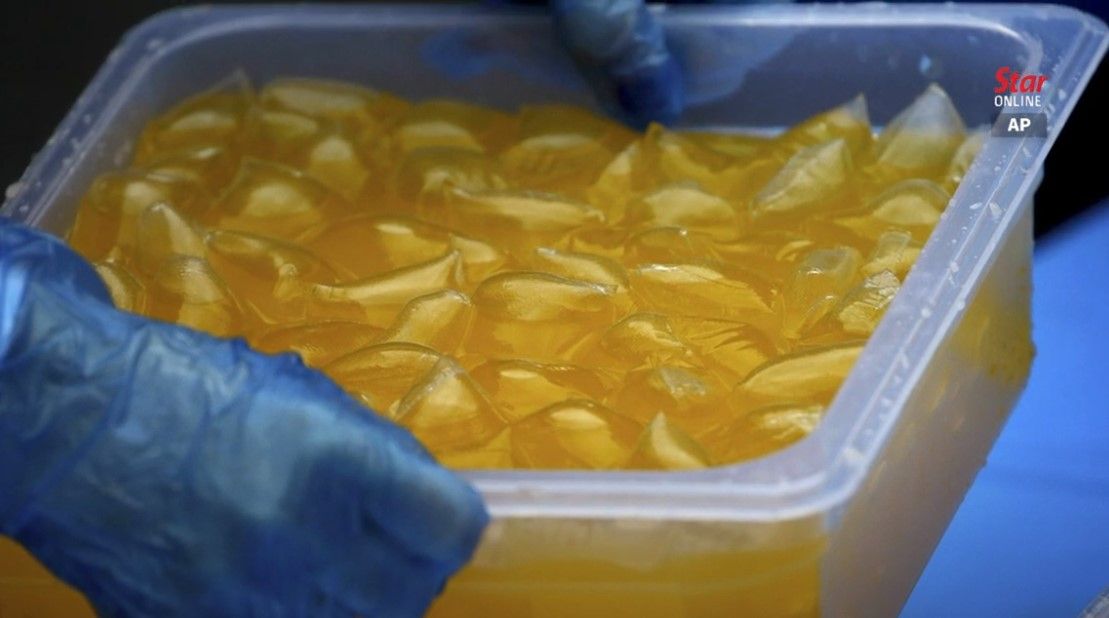
Seaweed pods cut waste and keep London's marathon running
video
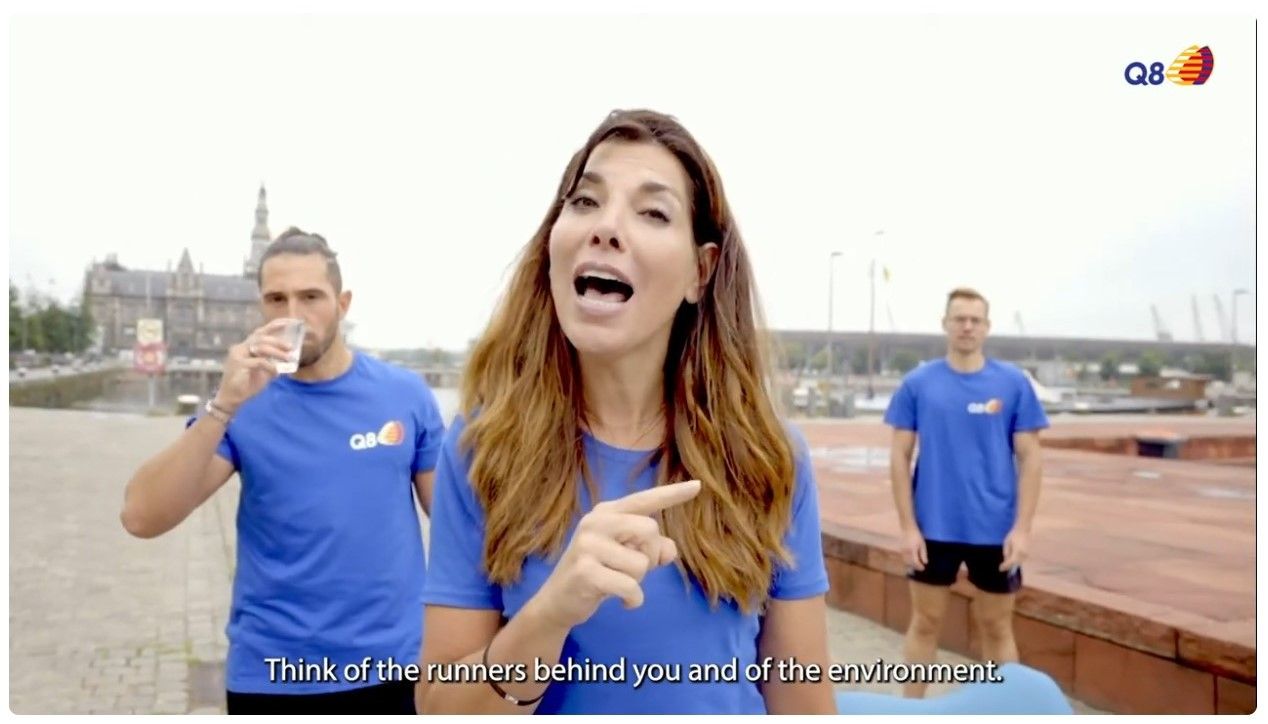
A brief recycling message to participants in the 2021 Port of Antwerp Night Marathon
video
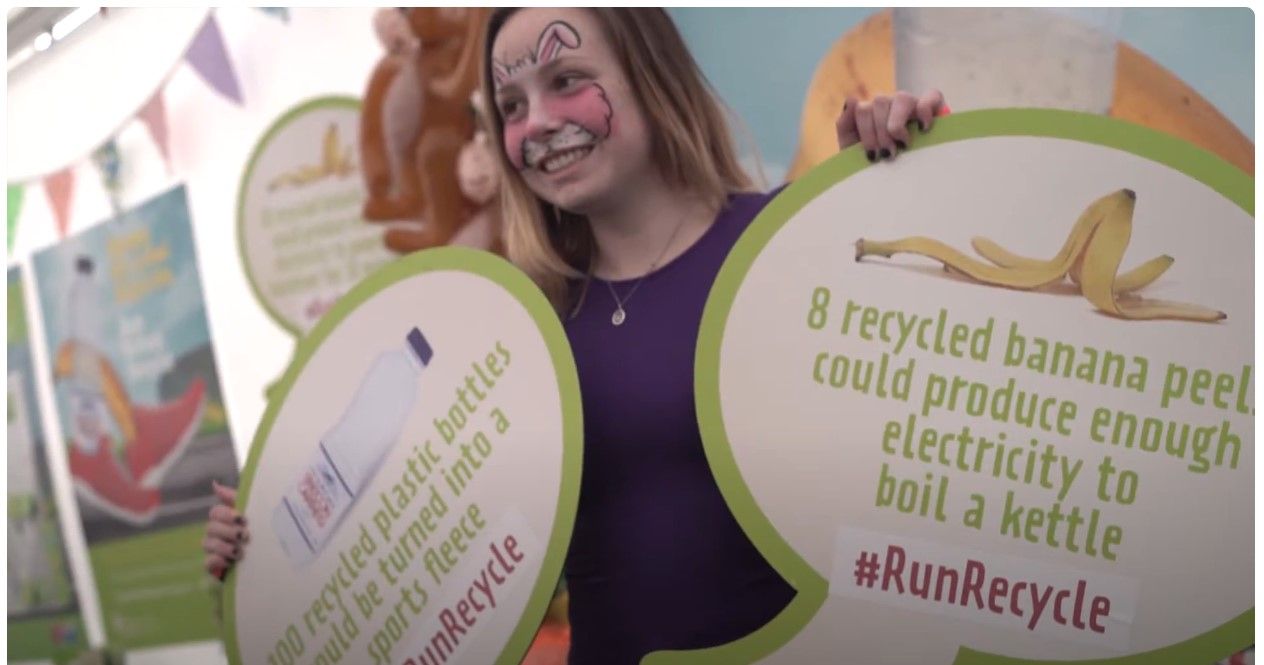
Run Refuel Recycle - 2016 World Half Marathon Championships Recycling Campaign
World Athletics Sustainable Event Best Practice Guidance
[Sustainability Leadership] [Developing Your Sustainability Plan] [Sustainable Procurement] [Waste Management] [Energy Management] [Food Management] [Water Management] [Travel Planning] [Accommodation] [Carbon Neutrality] [Air Quality] [Diversity, Accessibility and Inclusion] [Health Safety Wellbeing] [Monitoring and Reporting] [Communications]