

Sustainable Events Management:
Diversity, Accessibility & Inclusion - Best Practice Guidance & Examples
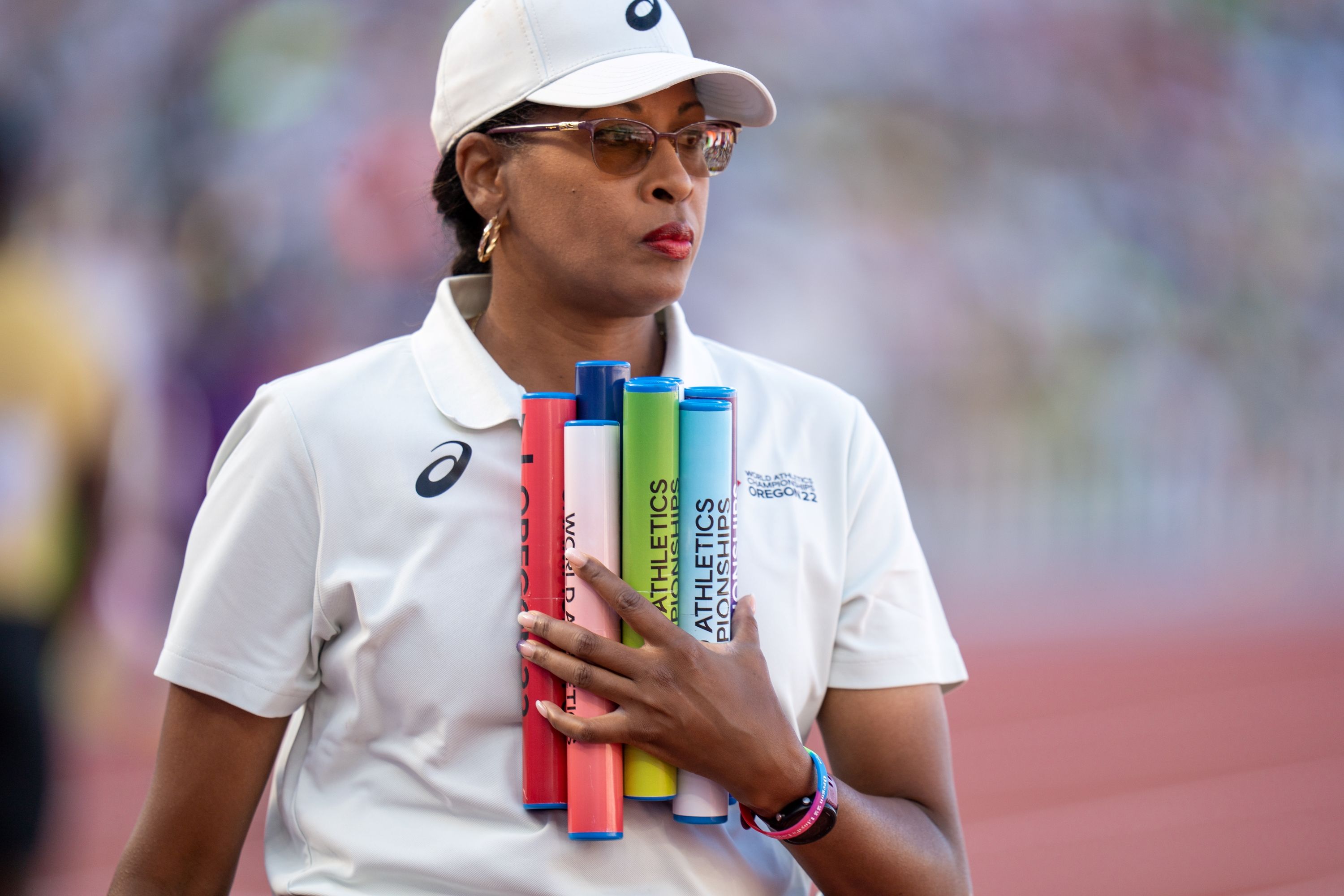
Official at the World Athletics Championships Oregon22 (© Taylor Sims)
This page includes:
- Best practice examples from events
- Best practice guidance for organisers from the World Athletics Sustainable Events Management System, and
- additional resources
Attention event organisers:
- Did you know that our Sustainable Events Resource Centre has 13 templates available to help with your sustainability planning and reporting?
- Do you have any innovative examples of how you've incorporated accessibility, diversity and inclusion into your event? If so, we'd love to hear about them and help promote them. Let us know at sustainability@worldathletics.org.
Last updated: 17 February 2025


Diversity, Accessibility and Inclusion - Best Practice Examples
05 January 2025
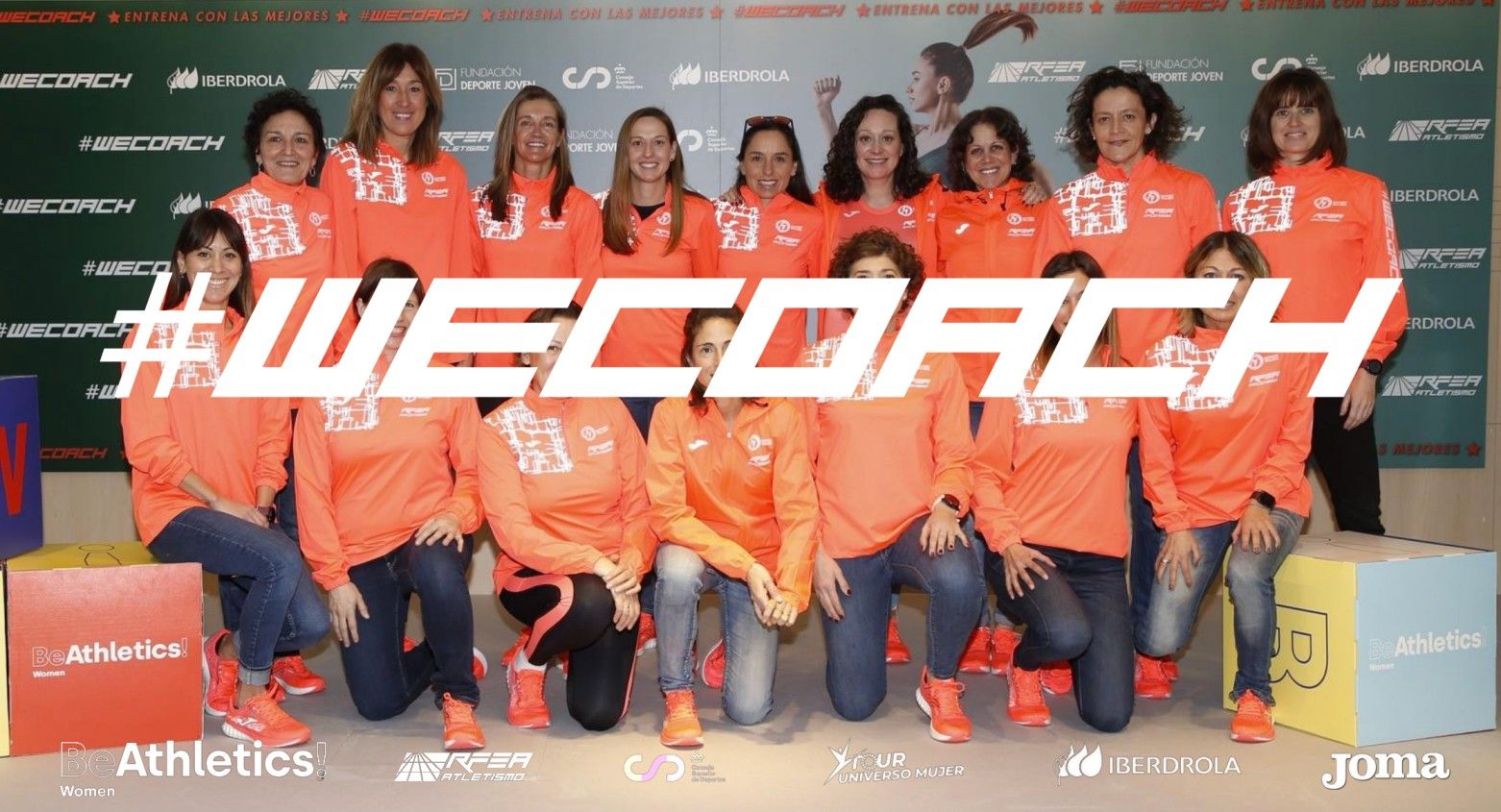
#WeCoach training and coaching for women at the 42nd Itálica International Cross Country Race
The 2024 XLII Cross Internacional de Itálica in Seville integrated a #WeCoach training activity alongside the event programme. #WeCoach is a nationwide programme that encourages women to participate in sport, raising awareness of physical activity’s importance for both physical and mental health.
Training sessions are led by former international female athletes and aimed at all women so that everyone can feel comfortable and enjoy themselves.
In Seville, #WeCoach carried out joint mobility exercises, stretching, strength exercises and running through the streets of Maria Luisa Park.
04 December 2024
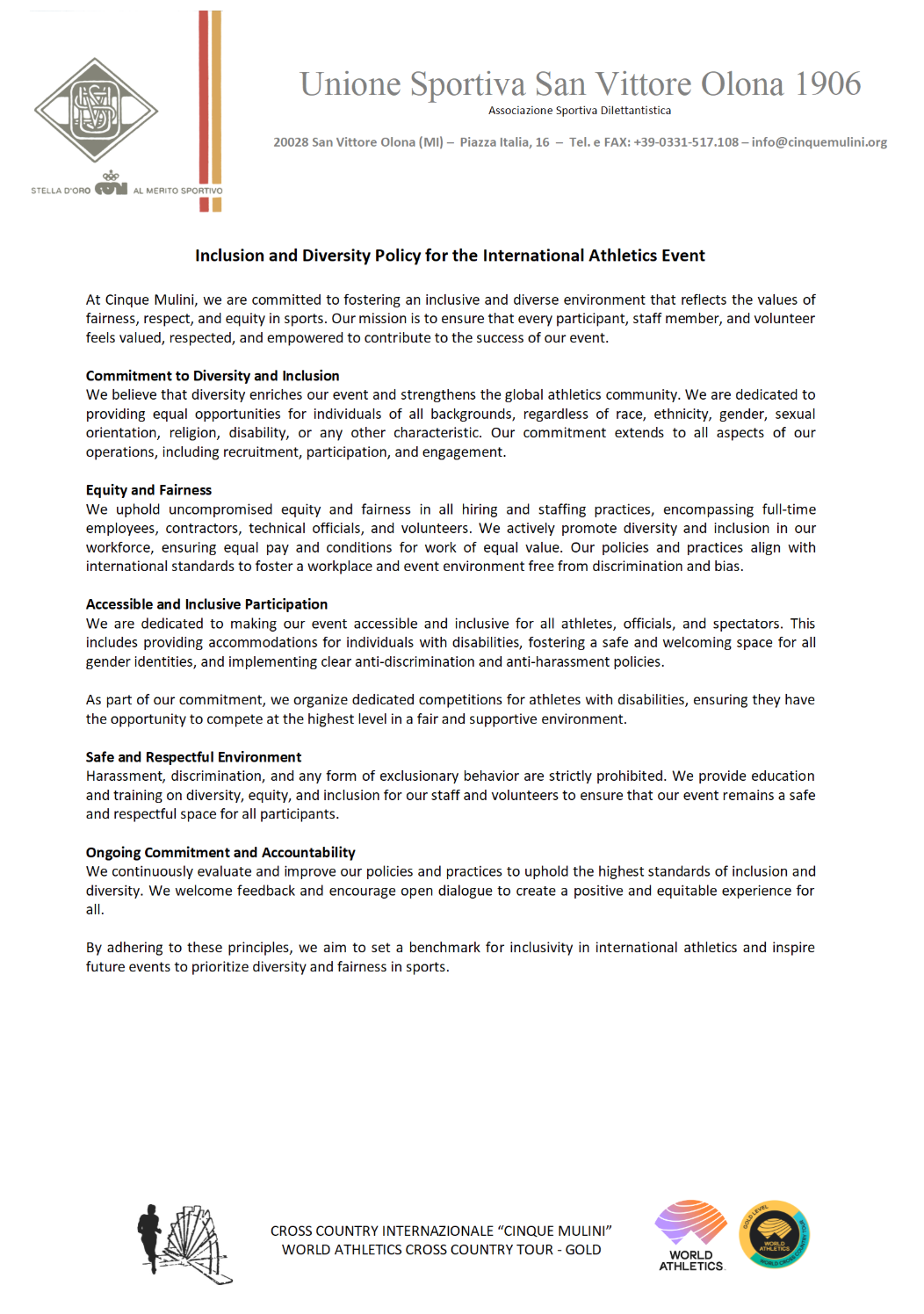
Cinque Mulini’s Inclusion and Diversity Policy
Organisers of the 2024 Cinque Mulini cross country event held in Lombardy, Italy published an Inclusion and Diversity Policy that aimed to set a benchmark for inclusivity in international athletics, thereby inspiring other events to prioritise diversity and fairness.
To do this meant ensuring that every participant, staff member, volunteer and spectator felt valued, respected and empowered to contribute to the event’s success. This commitment extended to all aspects of the operation, including recruitment, participation and engagement.
Specific initiatives included providing accommodation for individuals with disabilities, fostering a safe and welcoming space for all gender identities, and implementing clear anti-discrimination and anti-harassment policies. Staff and volunteers were provided with diversity, equity and inclusion training to ensure a safe and respectful space for everyone involved.
Dedicated competitions for athletes with disabilities were also organised, ensuring they had the opportunity to compete at the highest level in a fair and supportive environment.
In a commitment to transparency and improvement, organisers welcomed feedback and encouraged open dialogue to create a positive and equitable experience for future editions of Cinque Mulini.
 |
02 September 2024
Promoting event accessibility at the Nikaia Continental Tour in Nice
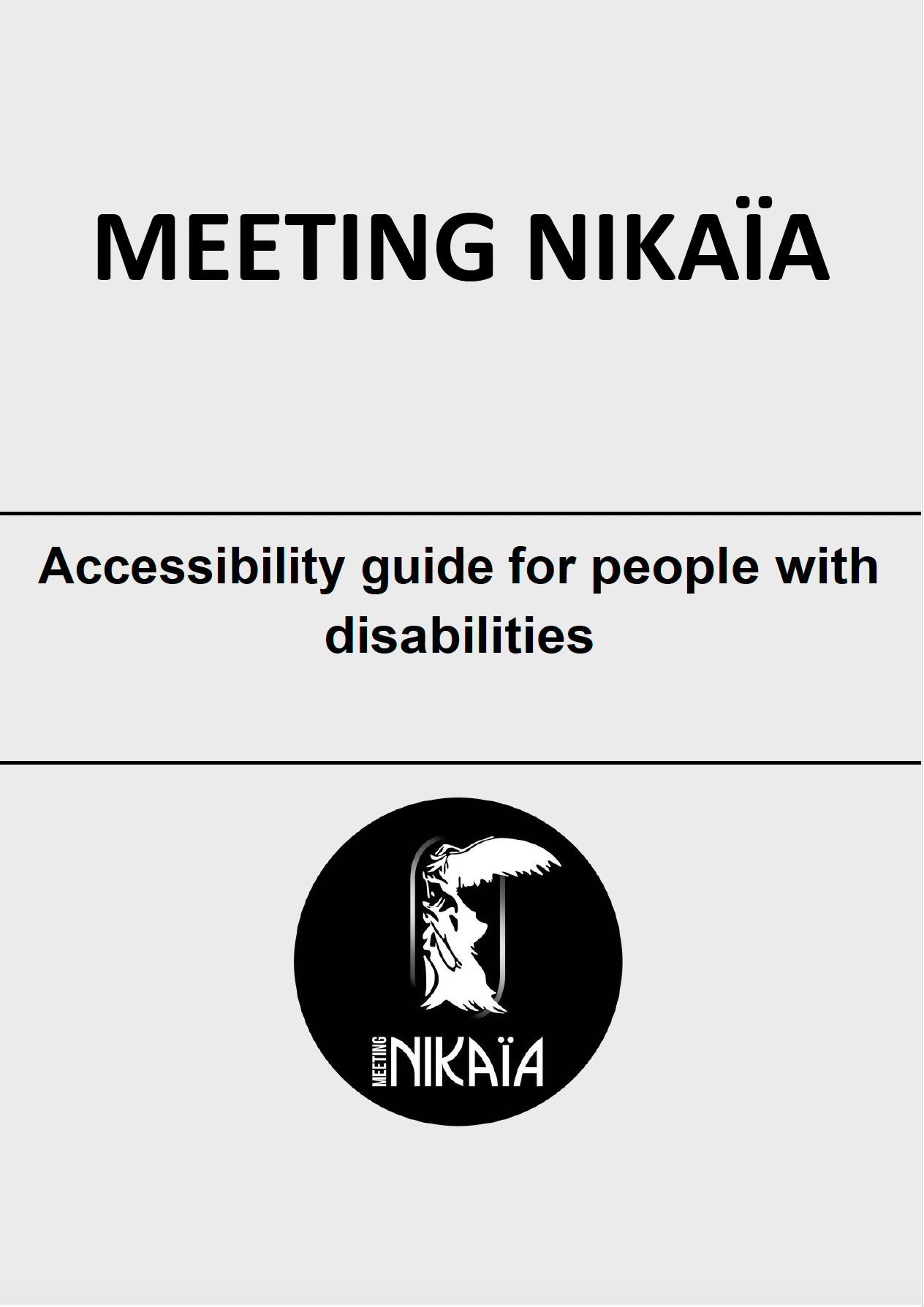
Organisers of the 2024 Meeting Nikaia de Nice developed a detailed accessibility guide. This included making sensory kits available for children with Autism Spectrum Disorder at the event in partnership with OGC Nice and Approche Globale Autisme.
The kits included noise-canceling headphones, a fidget toy and a stress ball. A rest area was made available for children and event staff were trained to provide a welcoming environment. The scheme was promoted via the event’s Instagram page.
Earlier in 2024, World Athletics’ Health & Science Department implemented air quality monitoring at the Parc des Sports Charles Ehrmann stadium where the Nikaia Continental Tour is held, further evidence of the venue's value placed on health and wellbeing.
 |
Diversity, Accessibility & Inclusion
Irrespective of geography, politics, religion, everyone has equal rights to being able to participate in athletics without fear of discrimination, verbal or physical abuse, in an environment conducive to sporting achievement, at all levels. Discrimination has no place in our world, in sport or in athletics.
As an event organiser, you have a responsibility to prevent discrimination in all forms, throughout the event, and to provide a platform for anyone that have been subjected to discrimination at or associated with your event, or believe they have witnessed discrimination to raise the issue and be assured that the issue will be dealt with seriously. World Athletics will provide best practice guidelines and exercise influence through Member Federations to ensure that running, jumping and throwing can be universally enjoyed.
Ensuring all events are accessible and athletics is “open to everyone” is critical. Attracting all spectrums of society at all levels, whether regional, national, international and global is testimony to the power of sport to unify. It is important that, particularly for international/ global events, staff are aware and respectful of cultural sensitivities.
The following checklist should help ensure all aspects of accessibility are covered and best practice is followed.
This best practice is implemented across the event planning cycle as follows:
1. During event planning
• Ensure all legal compliance regulations are known and adhered to
• Equality and diversity HR policy helps to prevent discrimination and provides a platform for staff that have been subjected to any form of discrimination, or believe they have witnessed discrimination, to raise the issue.
Diversity, accessibility and inclusion is core to all recruitment: including event staffing, technical officials, contractors and volunteers
> The following nine characteristics are termed ‘protected characteristics’ by the Equality Act (UK) and should be covered within a robust equality and diversity policy: age, disability, gender reassignment, marriage and civil partnership, pregnancy and maternity, race, religion or belief, sex, and sexual orientation.
• Implement a programme to engage and inspire local disadvantaged community groups e.g. ticket allocations, “chat with champions”….
• Website and/ or booking service has accessibility features and offer different forms of access, e.g. minicom?
> Booking form has the ability to disclose specific individual requirements
• Information about facilities available at the venue (including facilities and arrangements for disabled people) has been published, to include information for:
> Wheelchair users/ those with restricted mobility
> Visually impaired/ blind
> Deaf and hard of hearing
• Standard accessibility phrases and logos are included in publicity material
• All public areas are wheelchair accessible
• There is provision for disabled parking of suitable dimensions and markings at the venue
• Identification of dedicated seating areas for wheelchair users and confirmation whether seating is provided for personal assistants
• All visitors can safely and easily travel around the venue
> Are surfaces firm and free from obstacles?
> Have single steps of more than 13mm got ramps or lifts?
> Are there regular rest stops for those with restricted mobility?
> Is flooring slip-resistant?
• Is there availability of a mobility map to indicate best routes, specific access features, sanitary facility provisions? Do the maps have braille? Are visitor maps available in large print?
• Emergency procedures are in place for evacuation/refuge of people with a range of abilities
• Staff/stewards are briefed on these
• Video content (at venue and media output) has subtitles
2. During event delivery
• All staff, volunteers, contractors etc are briefed on local cultural and sensitivities to ensure that all are respectful throughout their time at the event
• All staff and volunteers are briefed on the accessibility plan and are clear of their responsibilities
• Staff/volunteers are available to guide visitors if necessary?
• Signage complies with guidance, at a height convenient to all users
• Programme of regular checks and audits is in place to ensure that accessibility plan is working correctly and effectively. Any non-compliance is reported, recorded with remedial action taken as required
• Seating arrangements allow access for wheelchair user, facilitating ease of movement to accessible facilities
3. During event wash up and review
• Collate feedback (positive and constructive) from staff, volunteers and the public through course of event
Any areas for improvement are fed into and documented (along with actions) during the post event review meeting and report.
Additional Resources
August 2024
Why sport must be (re)imagined in ways that make it more accessible for all disabled athletes – The Conversation
Article by Jennifer Mooradian and Dawn Trussell from Brock University exploring the value of inclusive sport and sport as a human right.
July 2024
Brighton & Hove Albion: Equality, Diversity and Inclusion
Video exploring Brighton & Hove Albion's approach to equality, diversity and inclusion after achieving the advanced level of the Premier League Equality, Diversity and Inclusion Standard.
August 2023
Uniting equality, diversity and inclusion with sustainability at the 2023 UCI Cycling World Championships
Interview with Aneela McKenna, equality, diversity and inclusion adviser of the 2023 UCI Cycling World Championships in Glasgow. McKenna walks the reader through the event’s EDI Framework and Pledge, as well as explaining why EDI was integrated into the event’s sustainability framework.
World Athletics Sustainable Event Best Practice Guidance
[Sustainability Leadership] [Developing Your Sustainability Plan] [Sustainable Procurement] [Waste Management] [Energy Management] [Food Management] [Water Management] [Travel Planning] [Accommodation] [Carbon Neutrality] [Air Quality] [Diversity, Accessibility and Inclusion] [Health Safety Wellbeing] [Monitoring and Reporting] [Communications]