

Sustainable Events Management:
Food Management: Best Practice Guidance & Examples
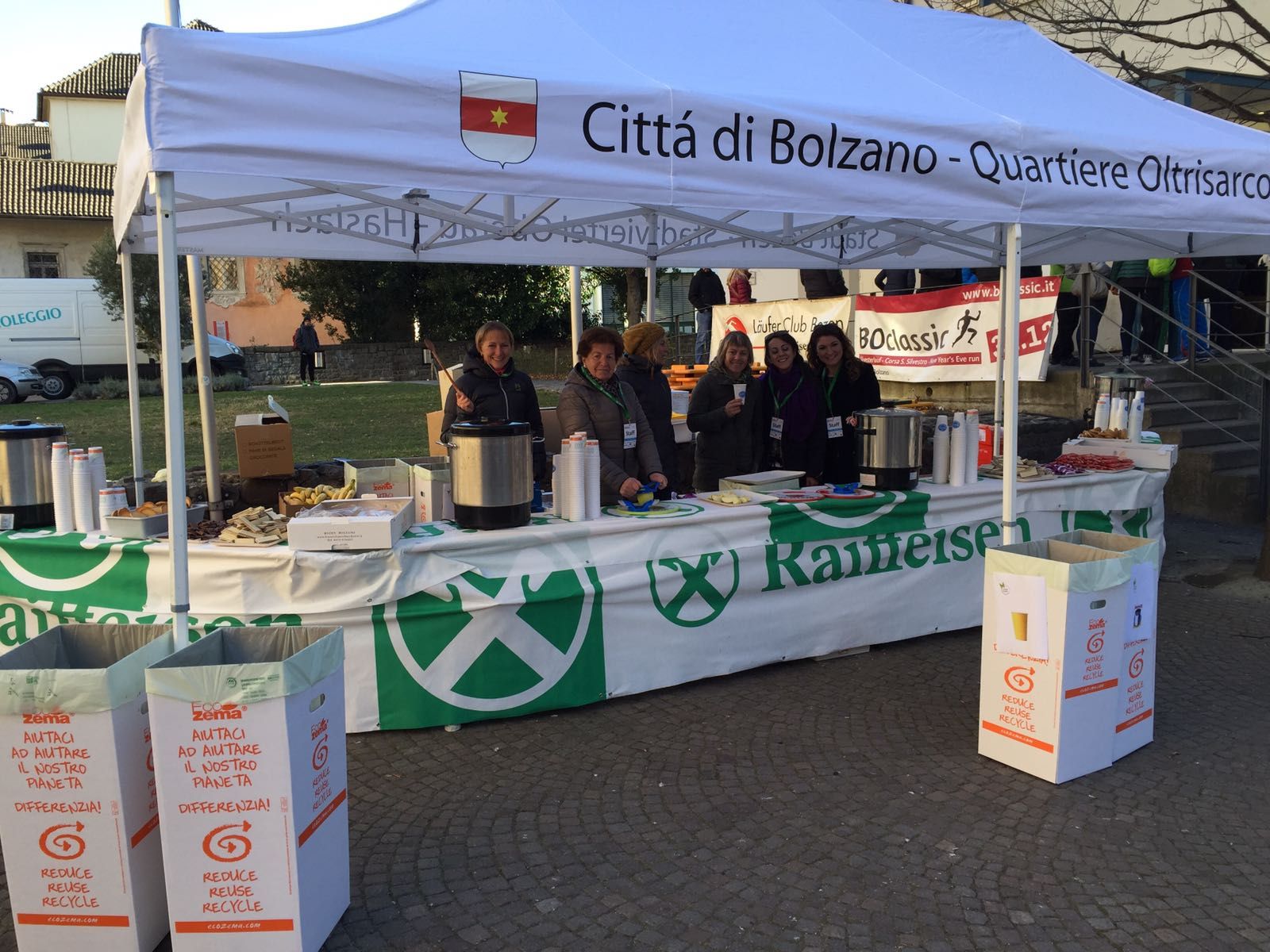
Food station at the BOclassic Alto Adige (© BOclassic Alto Adige)
This page includes:
- Best practice examples from events
- Best practice guidance for organisers from the World Athletics Sustainable Events Management System, and
- additional resources
Attention event organisers:
- Did you know that our Sustainable Events Resource Centre has 13 templates available to help with your sustainability planning and reporting?
- What are some of the ways that you have improved the sustainable procurement and menu choices in your event's food and catering plan? Let us know so we can share them here with others. Get in touch at sustainability@worldathletics.org.
Last updated: 11 August 2025


Food Management - Best Practice Examples
04 March 2025
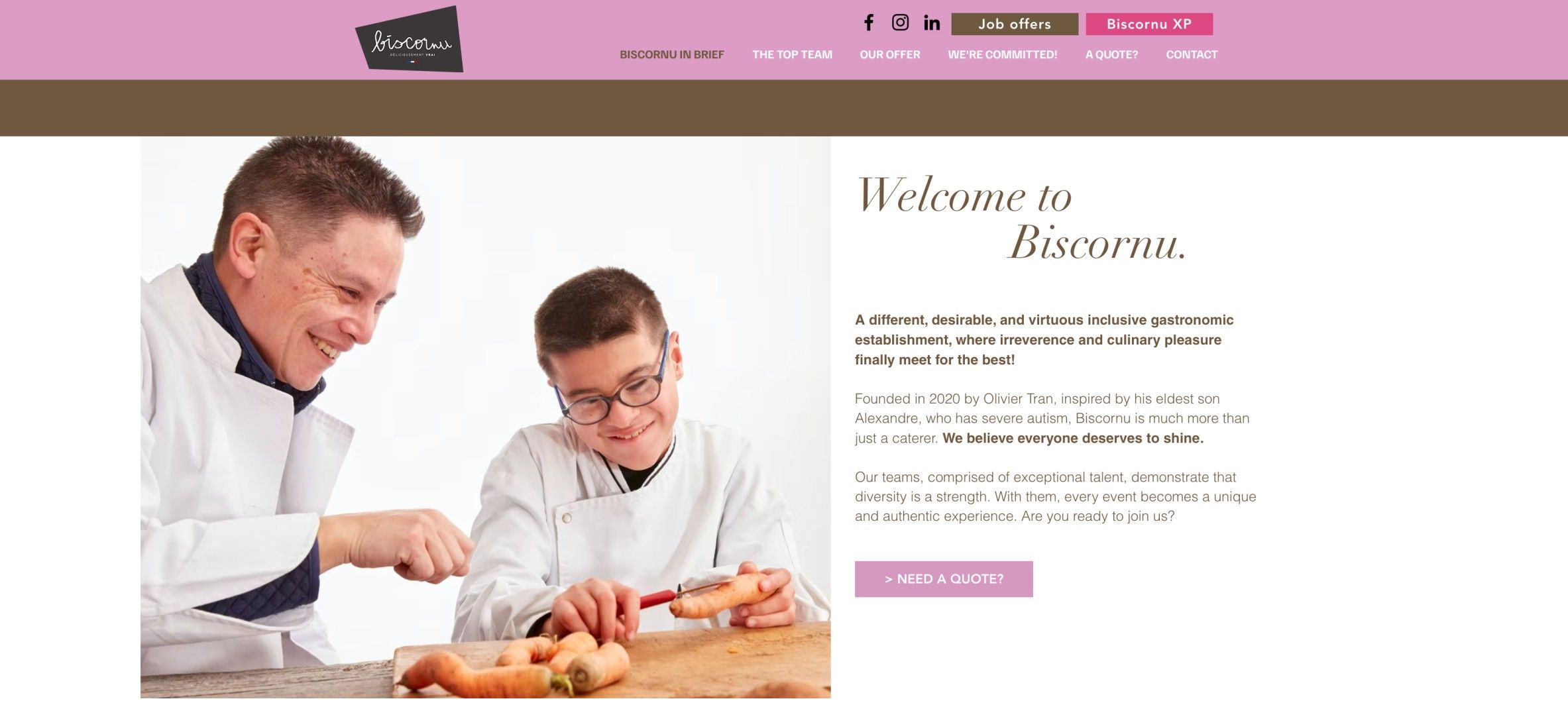
Paris Diamond League collaborating with socially inclusive local expertise
The 2024 Meeting de Paris Diamond League worked with catering company Biscornu to spotlight the culinary skills of Biscornu employees with intellectual and cognitive disabilities.
The catering company has a strong focus on using seasonal, local and organic ingredients, as well as a commitment to zero waste.
02 February 2025
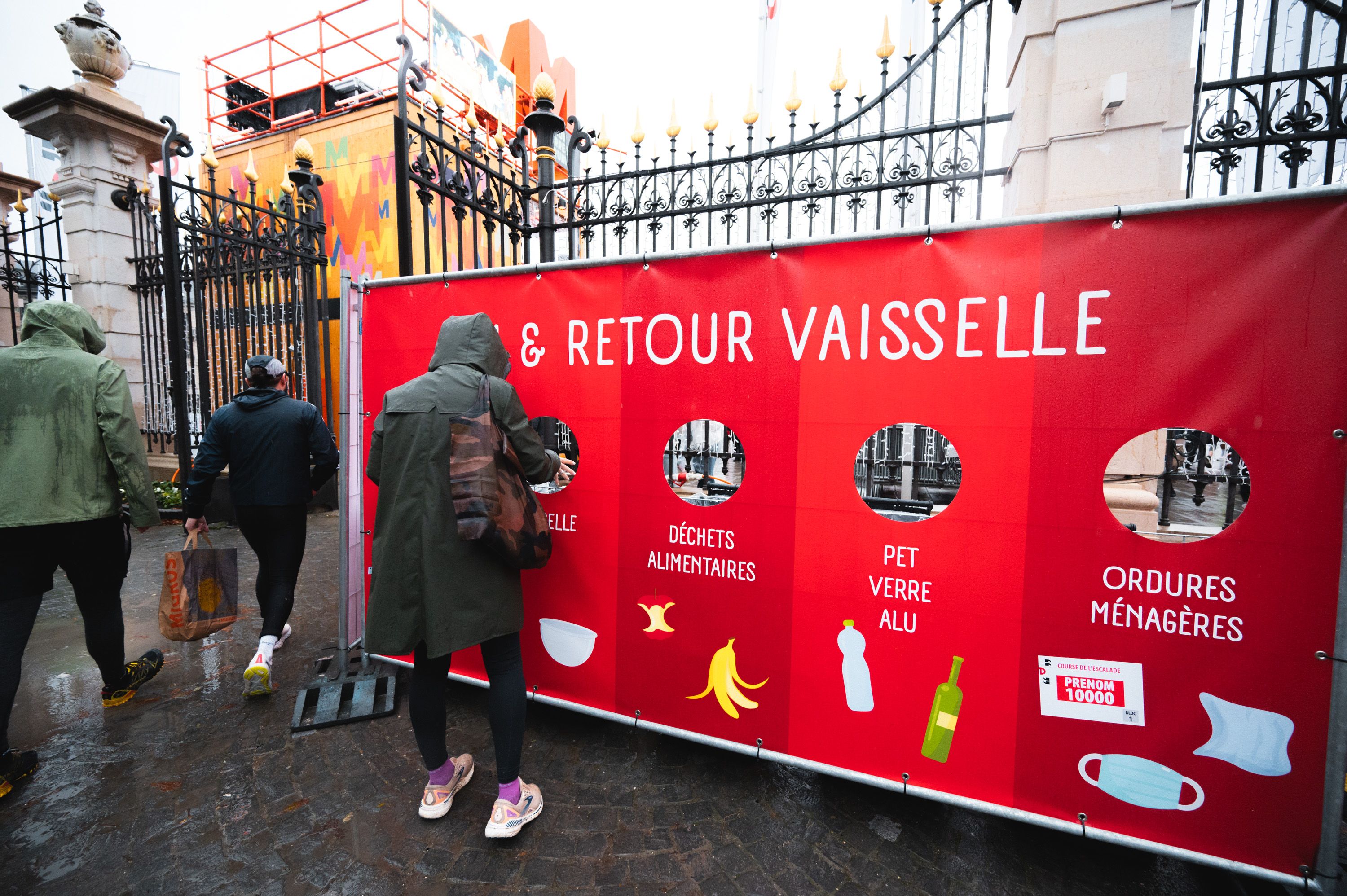
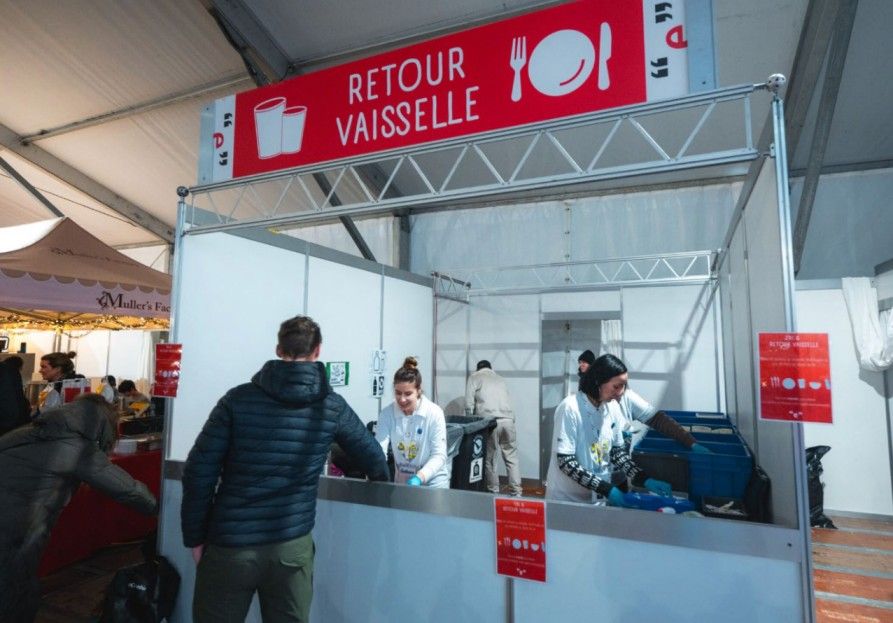
Return stations at the Course de l'Escalade in Geneva to enable tableware reuse
At the 2024 edition of the Course de l'Escalade, Switzerland’s most popular running race held in Geneva old town, a ‘Retour Vaisselle’ (or ‘Return Dishes’) scheme was implemented. Return stations were set up to wash and reuse plates, cutlery and cups at the event.
 |
 |
12 June 2024
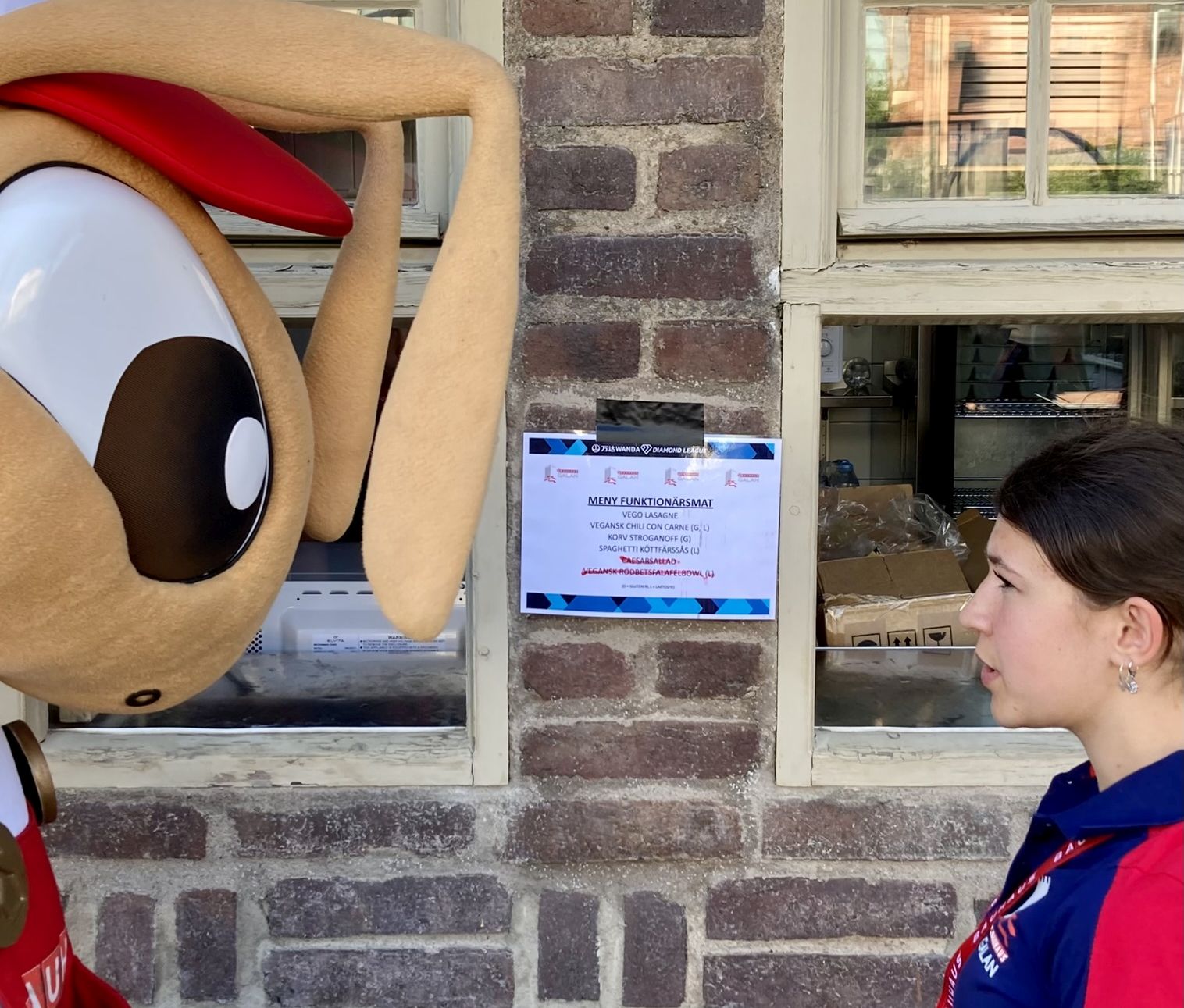
Menu planning - don't forget your volunteers
An example from the 2024 BAUHAUS-Galan Diamond League meeting in Stockholm: including several meat-free options on the menu for volunteers (and their mascot, too!).
10 June 2024
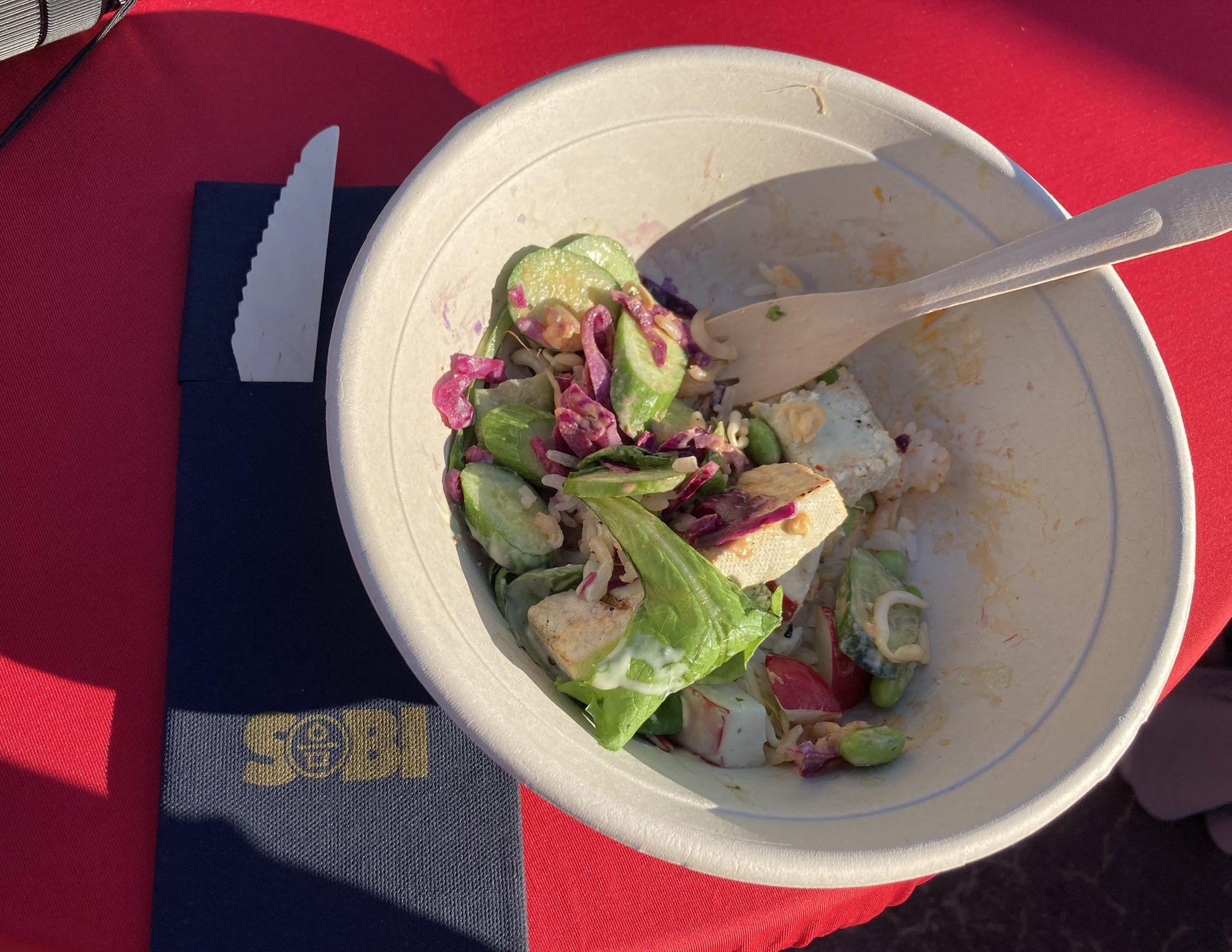
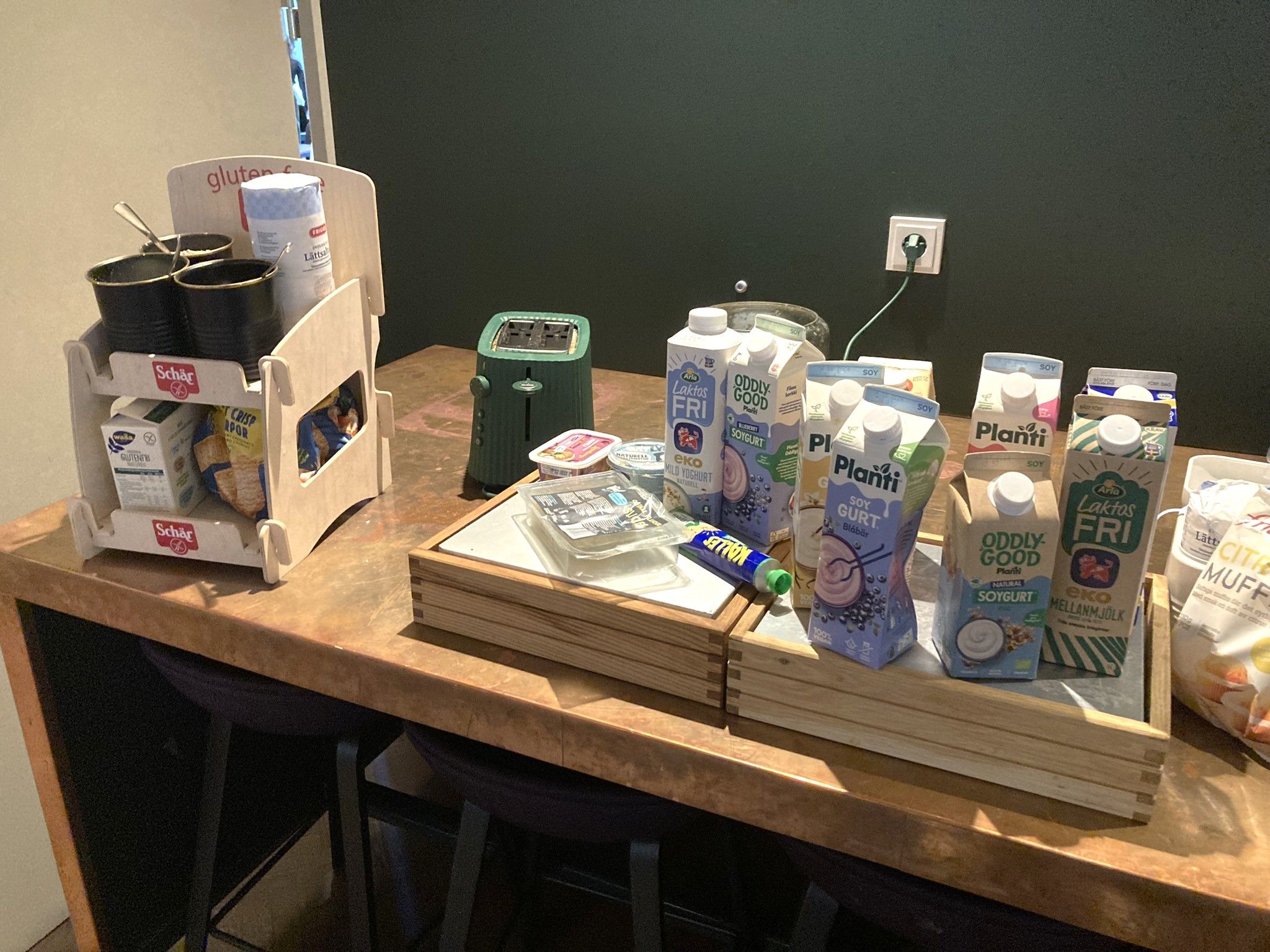
Menu planning - athletes (and other VIPs)
Another great example from the 2024 Stockholm Diamond League: the menu for VIPs and choices for athletes.
The meeting hotel's restaurant spared no details when chiseling together its athlete and team menu, including this wide variety of milk and yogurt on the right and on the left, a tofu salad on competition day in the stadium's VIP area that was so good I ate more than half of it before snapping this photo. Biodegradable flatware was also provided - that's certainly a big notch above single-use plasticware but not as good as using real reusable flatware.
|
|
08 June 2024
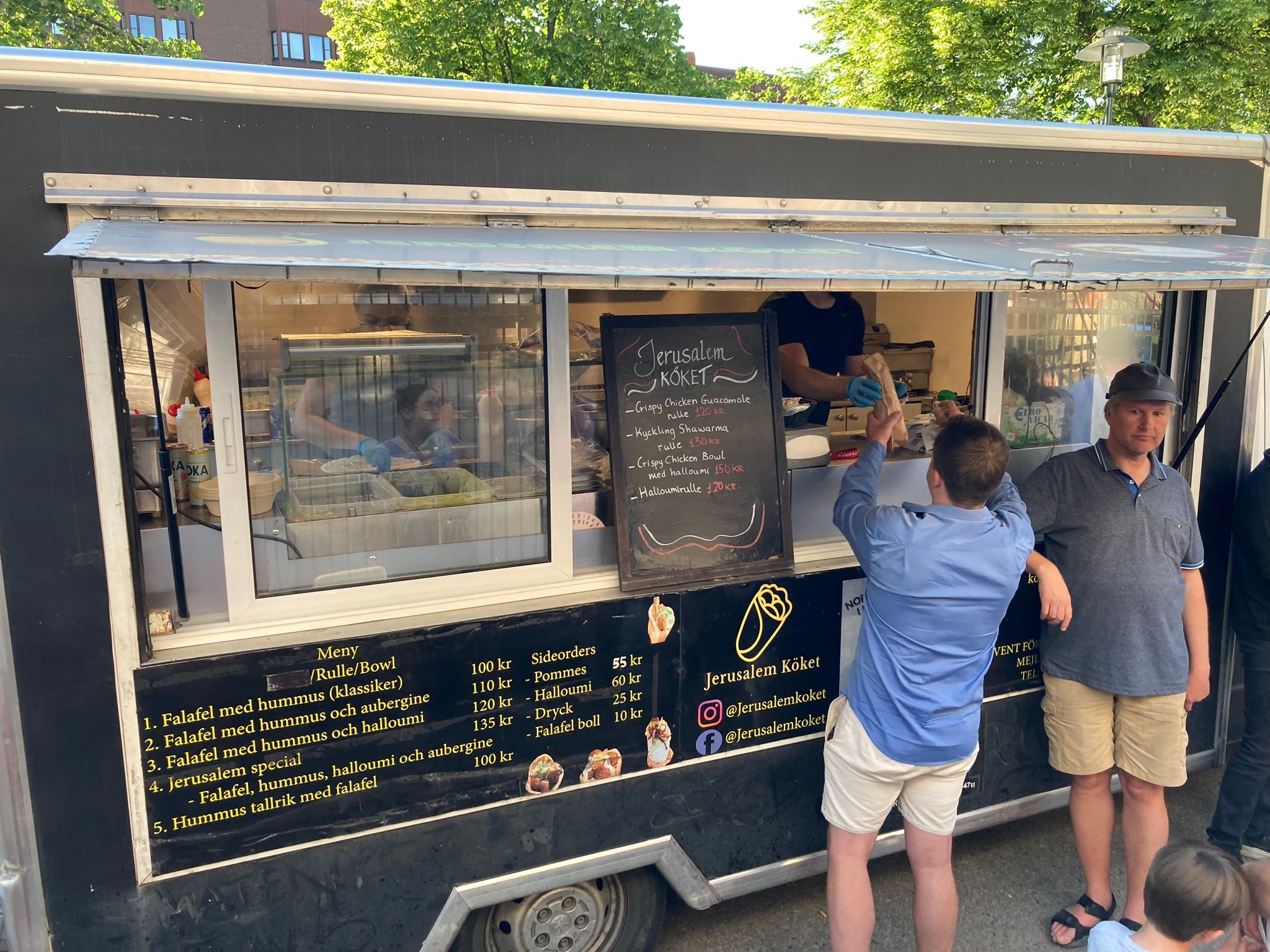
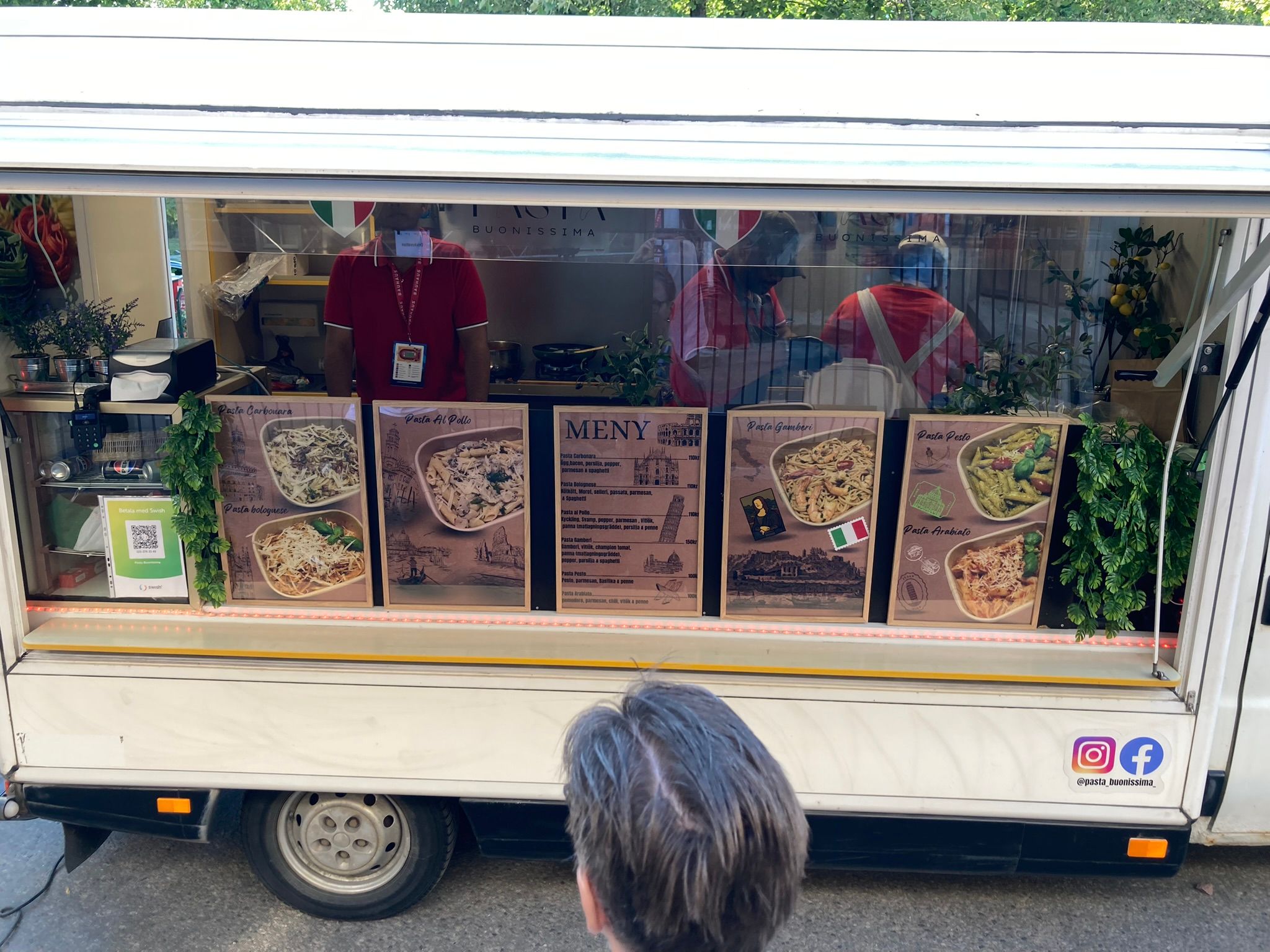
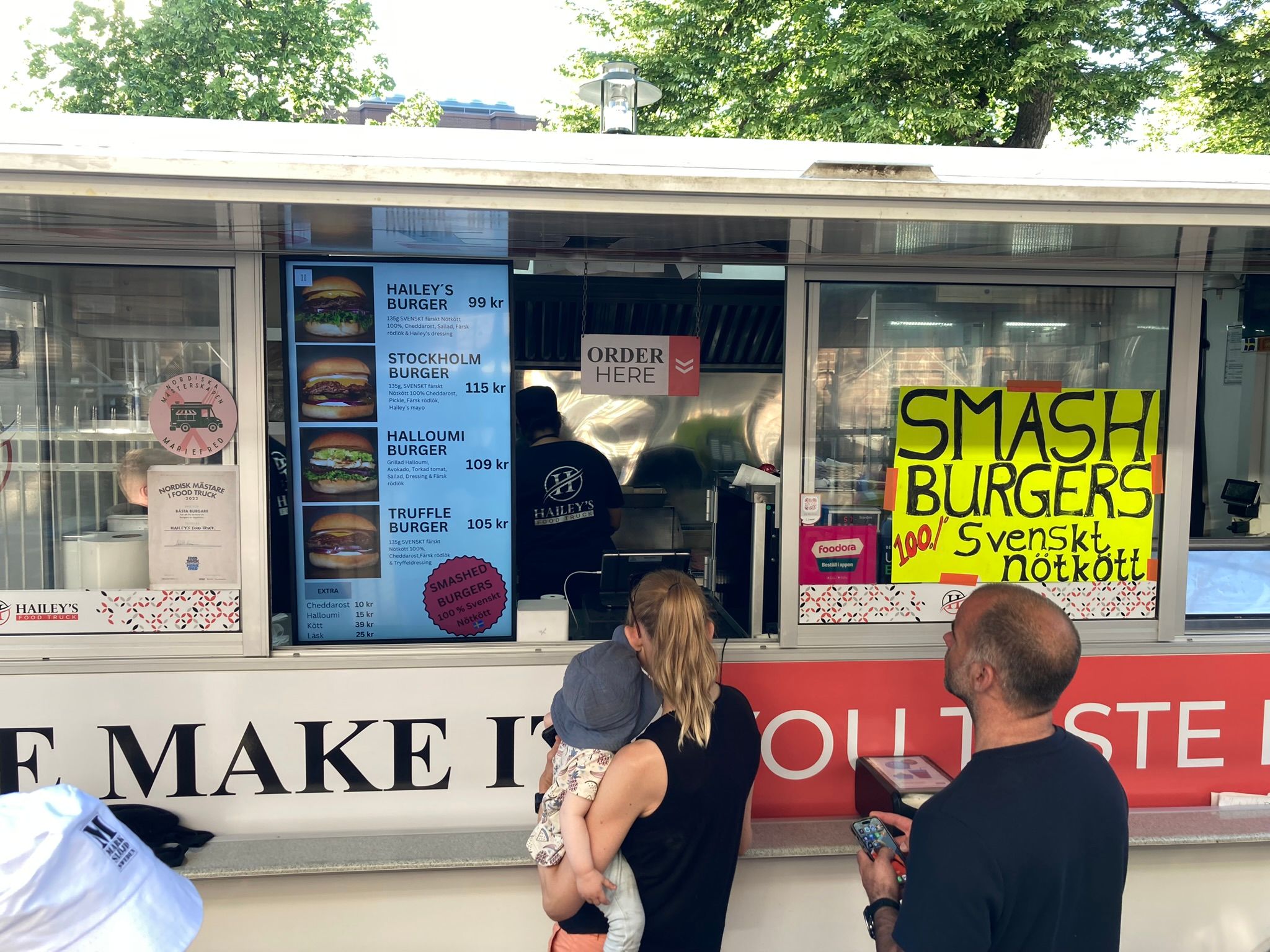
Stockholm food trucks highlight variety of local catering offers
Like many events, Stockholm's BAUHAUS-Galan Diamond League meeting invites a wide variety of locally-owned and operated food vendors to offer their culinary creations to fans and spectators. This year's event provided an illustration of not only the wide variety of food that's available locally, but a variety of plant-based, vegan and vegetarian options as well.
Some examples:
|
|
|
Remember: reducing the amount of meat you eat, or switching to a plant-based or vegetarian diet is the single biggest way indivuals can reduce their carbon footprint. According to a UN report, "Switching to a plant-based diet can reduce an individual’s annual carbon footprint by up to 2.1 tons with a vegan diet or up to 1.5 tons for vegetarians." Switching completely overnight could be difficult, easing into a plant-based diet by eating more vegetables for a particular meal or day of the week can be a great way to get started.
25 March 2024
WIC Glasgow 24 donates 1000 meals to local food bank, forging partnership that strengthens event's sustainability legacy
In the Oct 21, 2023 edition of her newsletter Talking Climate, climate scientist Katharine Hayhoe writes that the No. 1 action households and individuals can take to cut their carbon footprint is to reduce food waste. How big of an impact does food waste have?
Every year, a full third of the food produced on this planet is thrown out. That amounts to some 1 billion tons. And when it decays, all the wasted food that doesn’t make it to our tables – or does, then gets thrown out – generates about 8 percent of the world’s heat-trapping gases. That’s more than double the impact of all the flights in the world; and it’s lost calories and wasted money, too.
That's why working with local food banks and other organisations that distribute 'excess' food should be a critical element of your food management planning. These organisations are most often just a quick web search or a phone call away.
The World Athletics Indoor Championships Glasgow 24 provided the perfect example when partnering with a food bank in the city’s east end to redistribute all excess food from the event – more than 1000 meals over the course of the three-day competition. This collaboration marked the first time that an event taking place at the Emirates Arena reached out to the food bank to forge a positive partnership that has now set the path for future events at the Glasgow Arena.
Food Management Planning - Best Practice Guidance
Food production is responsible for one-quarter of the world’s greenhouse gas emissions. Food management should look at where food comes from as well as how it has been cultivated or reared. A plant-based menu will significantly reduce the carbon impact of the food offering. A vegan diet could reduce the carbon impact of food by up to 90% compared to a carbon intensive meat-based menu.
Implementation of a sustainable food charter should aim to provide healthy and affordable food, which causes as little threat to the environment as possible and benefits local producers through the following focus areas:
Provide local food
• reduce food miles ensuring fresh, seasonal, and local foods
• support local growers and businesses, by sourcing the majority of food from within 25 miles
• celebrating local diverse food culture
Responsible sourcing
• sustainably produced food has a low carbon footprint
• 100% of our fish and seafood will be sustainably sourced, ideally from our local fishermen
• food supplied from further afield is fair trade and ethical, guaranteeing that producers get a fair price for their goods
Healthy environment
• Sourcing from Organic, Free Range or LEAF marque accredited suppliers. LEAF accreditation ensures farming methods that protect the soil and environment from artificial chemicals and follow high animal welfare standards. Other standards include Red Tractor (UK), Demeter, the Soil Association, the Rainforest Alliance and the International Foundation for Organic Agriculture (IFOAM). Investigate certification options in your own area as well.
Menu planning
• Plan menus to incorporate seasonal produce and correct portions
• Ensure all dietary requirements have been considered
• Plan menus around health and wellbeing
• Maximise the plant-based offering to the consumer
Manage Food Waste
• Use products with little or recyclable packaging
• Avoid all disposable tableware and single-use plastics and polystyrene
Donating Unused Food
• Where leftover food is unavoidable, including cooked food, identify means to donate it to local organisations that redistribute food to those who really need it.
Educating and Raising Awareness
• We want to create a positive food culture that places a greater value on the food that we eat, the animals that provide it and the people that produce it. We will look to grow awareness of the health and environmental impact of food, so fans can make better, more sustainable choices.
These can be implemented across the event planning cycle as follows:
1. During event planning
Selecting the caterer
• Catering suppliers can deliver across your food requirements – creating a clear food charter can be a simple way to include these requirements into the RFP and is contractual for their service delivery (see procurement)
• Contractors should be responsible for meeting all expected standards. Due diligence is completed across all mobile concessions, including compliance to all relevant legislation and food & hygiene standards
• Where possible, catering contractors should source from Organic, Free Range or LEAF marque accredited suppliers - LEAF accreditation ensures farming methods protect the soil and environment from artificial chemicals and follow high animal welfare standards
• Sustainable procurement prioritises the support of local growers and businesses, by sourcing the majority of food from within 25 miles. Food supplied from further afield is fair trade and ethical, guaranteeing that producers get a fair price for their goods
Menu planning
• Menus planned to incorporate:
- seasonal produce and correct portions
- healthy foods
- significant proportion of plant-based options
- all dietary requirements
• Staff, athlete and visitor numbers are anticipated in order to plan menus, stock control and food provision to minimise food waste
Food waste management
• Food donation/ re-use opportunities should be identified for unused catering and non-perishable items
• Single use crockery and packaging is eliminated from delivery of the catering programmes across the event. Remember to evaluate the use of compostable tableware and packaging taking into account the ability to segregate and compost (see waste management section)
• Food waste segregation system is in place
2. During event delivery
Check compliance
• Check compliance against your food charter and other aspects of legal compliance
- hard copy of the food safety management system (and records folder) in every kitchen
- caterers and any concessions are individually vetted and checked by the local authority on site to ensure they comply
- Review menu provision as per planning
• Ensure caterer is recording required reporting metrics
Check waste
• Ensure no disposable crockery and cutlery
• Review portion control to avoid waste food
• Ensure perishable food is handled to prolong its freshness
• Ensure product packaging is minimised and aligns with waste disposal facilities available
• Ensure waste is segregated into recycling waste streams
Food donation scheme
• Facilitate food donation scheme to minimise waste and maximise community value
3. Post event wash up
• Review achievement of your food provision from data supplied by caterer and food donation scheme
- List of food provision
- Quantity of food waste disposed of
- number of covers served in restaurants
• Review and document food management against targets and KPIs as part of post event review meetings and report
Sustainability Webinar: Food Management
World Athletics Sustainable Event Best Practice Guidance
[Sustainability Leadership] [Developing Your Sustainability Plan] [Sustainable Procurement] [Waste Management] [Energy Management] [Food Management] [Water Management] [Travel Planning] [Accommodation] [Carbon Neutrality] [Air Quality] [Diversity, Accessibility and Inclusion] [Health Safety Wellbeing] [Monitoring and Reporting] [Communications]