

Sustainable Events Management:
Monitoring and Reporting - Best Practice Guidance & Examples

This page includes:
- Best practice examples from events
- Best practice guidance for organisers from the World Athletics Sustainable Events Management System, and
- additional resources
Attention event organisers:
- Did you know that our Sustainable Events Resource Centre has 13 templates available to help with your sustainability planning and reporting?
- What are some of the ways that you have monitored and reported on your event's sustainability plans and achievements? Let us know so we can share them here with others. Get in touch at sustainability@worldathletics.org.
Last updated: 18 November 2025


Monitoring and Reporting - Best Practice Examples
19 September 2025
Pledging for the planet at the Sydney Marathon
Monitoring and measuring the positive sustainability impacts of event participants can be hard to quantify, but the 2025 TCS Sydney Marathon achieved this by collaborating with Pledge for the Planet, an action-as-currency platform to motivate climate action.
In the lead up to the race, potential runners were encouraged to commit to simple, sustainable behaviour changes every week. By then posting about it in a photo or video on Instagram or TikTok with the hashtag #RuntheTalk, they were then entered into a draw to gain exclusive access to claim a marathon entry, as well as a draw to win merch and prizes.
Calculated with Pledge for the Planet, there were 552 pledges in total, equating to 37,882kg of saved carbon emissions or 9,451 waste items.

05 September 2025
Formalising a species and habitat protection plan at Lausanne Diamond League
Lausanne’s annual Diamond League event, Athletissima, has committed to minimising its environmental impact by collaborating with the City of Lausanne to protect local species and habitats.
Through an environmental protection plan developed by the City of Lausanne based on habitat assessments and studies of local flora and fauna, significant measures and actions are implemented through the KitManif (a local event information system) and the POCAMA (a local environmental action plan).
Examples of specific measures include:
- Protecting certain trees by restricting access
- Establishing contacts with wildlife wardens, fishing wardens and forest rangers in case of problems
- Ending the event by 9pm to avoid disturbing nocturnal species (sound and light)
- Restricting spectator pathways to concreted areas
- Predefined wastewater disposal systems
Any changes to the City of Lausanne's rules and guidelines are monitored annually and procedures for Athletissima are adapted as needed.

14 August 2025
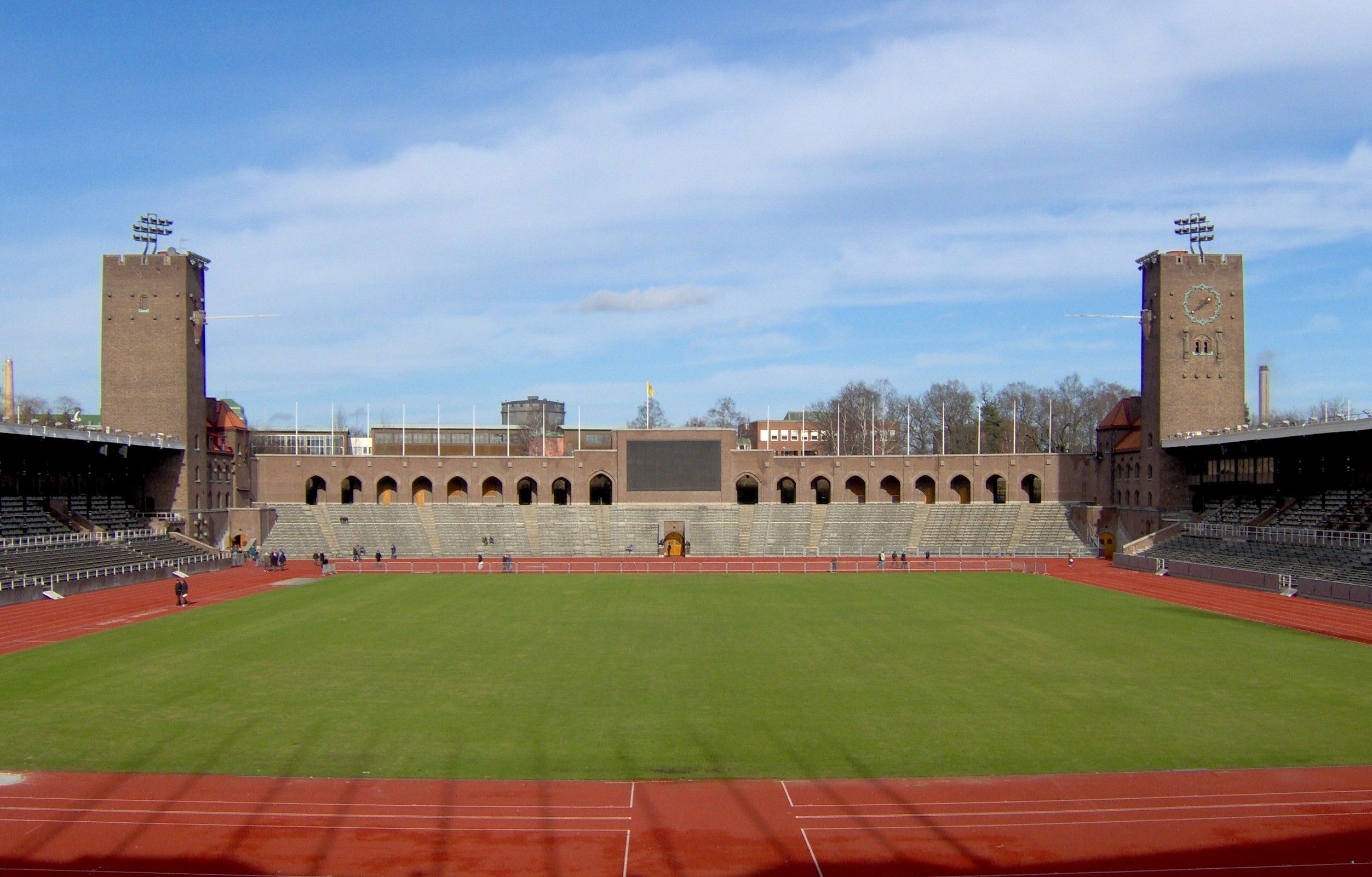
Mapping the local environment at Stockholm Diamond League
In recognising the importance of local environmental protection, organisers of the BAUHAUS-galan have devised an environmental protection plan to limit the event’s potential negative effects on local habitats and biodiversity.
Mapping the local environment at Stockholm Stadium requires understanding what flora and animals might be disturbed. This also includes understanding the proximity of water to plants and animals and whether there’s surface run-off.
After identifying this, some example actions to limit the event’s negative consequences are:
- Limiting areas that are mowed
- Ensuring trees and bushes aren’t damaged
- Preparing oil spill kits
If grass, trees, bushes or flowers are damaged or mowed down, they are replanted and restored.
The environmental protection plan is followed by all employees and subcontractors of BAUHAUS-galan.
08 November 2024
Going the extra reporting mile at the Silesia Diamond League
Organisers of the Silesia Kamila Skolimowska Memorial Diamond League published sustainability reports after the 2023 and 2024 editions of the event. The Kamila Skolimowska Memorial has reported on its sustainability activities since 2023, fully implementing the Athletics for a Better World Standard in 2024.
Although publishing a public sustainability report isn’t mandatory, Kamila Skolimowska Memorial organisers are pursuing a responsible sustainable development policy, requiring transparency, as well as highlighting strengths and weaknesses. In the future, organisers aim to develop not only in sporting terms, but also in environmental and social responsibility.
Monitoring and Reporting - Best Practice Guidance
Monitoring, progress reviews and open reporting will be critical to the on-going successful implementation of the sustainability strategy and will drive greater achievement. Across your business activities, demonstrating a clear commitment to transparency and integrity, facilitates the building, protection and maintenance of brand reputation.
World Athletics’ annual report, including independently audited financial statements in line with the International Financial Reporting Standards, are part of ongoing efforts to deliver greater transparency. Sustainability reporting is an increasingly established process and can be delivered as part of wider corporate reports (where applicable) or as a standalone report. Athletics events should produce an event report as best practice to assess progress, identify action areas to focus on and drive continual improvement.
The metrics to measure and track progress against achieving the targets will need to be collected across event stakeholders, including event staff, local organising committee, suppliers and host venues. The proposed metrics should be reviewed and aligned to information and data that is readily available or can relatively easily be collected.
The purpose of the monitoring is to identify priorities, level of progress and barriers to achieving the targets. Monitoring KPIs should be identified accordingly.
This best practice is implemented across the event planning cycle as follows:
1. During event planning
- Develop a comprehensive list of objectives, targets and measurable KPIs and distribute to all team members for clarity
- Integrate monitoring and reporting requirements into all procurement and contractual documentation and processes
- Ensure that all relevant parties and personnel are clear of their responsibilities, in respect of monitoring and reporting
- Implement all monitoring programmes from the outset of the event planning to capture all activities
- Where applicable, attach final payment for contractors/ suppliers to delivery of post event report/ contractual data
- Construct a visitor survey (and allocate resource to conducting visitor surveys)
2. During event delivery
- Ensure all suppliers and contractors are aware of their reporting requirements and information is being collected, identify any gaps and actions that are required to capture robust data sets across the monitoring program
- Conduct visitor surveys and event audits where required to capture relevant data e.g., number of cars, visitors coming by bicycle, air quality readings
3. During event wash up and review
- Collect, process and interpret data across all stakeholders
- Post event feedback meeting
- Produce end of event report, encapsulating all the monitoring data, demonstrating achievements against the pre-event objectives and providing transparent data and recommendations to drive continual improvements
- Event report contains specific reference to partner sustainability achievements, demonstrating alignment with sustainability goals and strength/ power of collaborative partnerships
- End of event report shared with event partners (including venues, partners, media etc)
Additional Resources

World Athletics Sustainable Event Best Practice Guidance
[Sustainability Leadership] [Developing Your Sustainability Plan] [Sustainable Procurement] [Waste Management] [Energy Management] [Food Management] [Water Management] [Travel Planning] [Accommodation] [Carbon Neutrality] [Air Quality] [Diversity, Accessibility and Inclusion] [Health Safety Wellbeing] [Monitoring and Reporting] [Communications]