

Sustainable Events Management:
Local Environment and Air Quality Monitoring - Best Practice Guidance & Examples
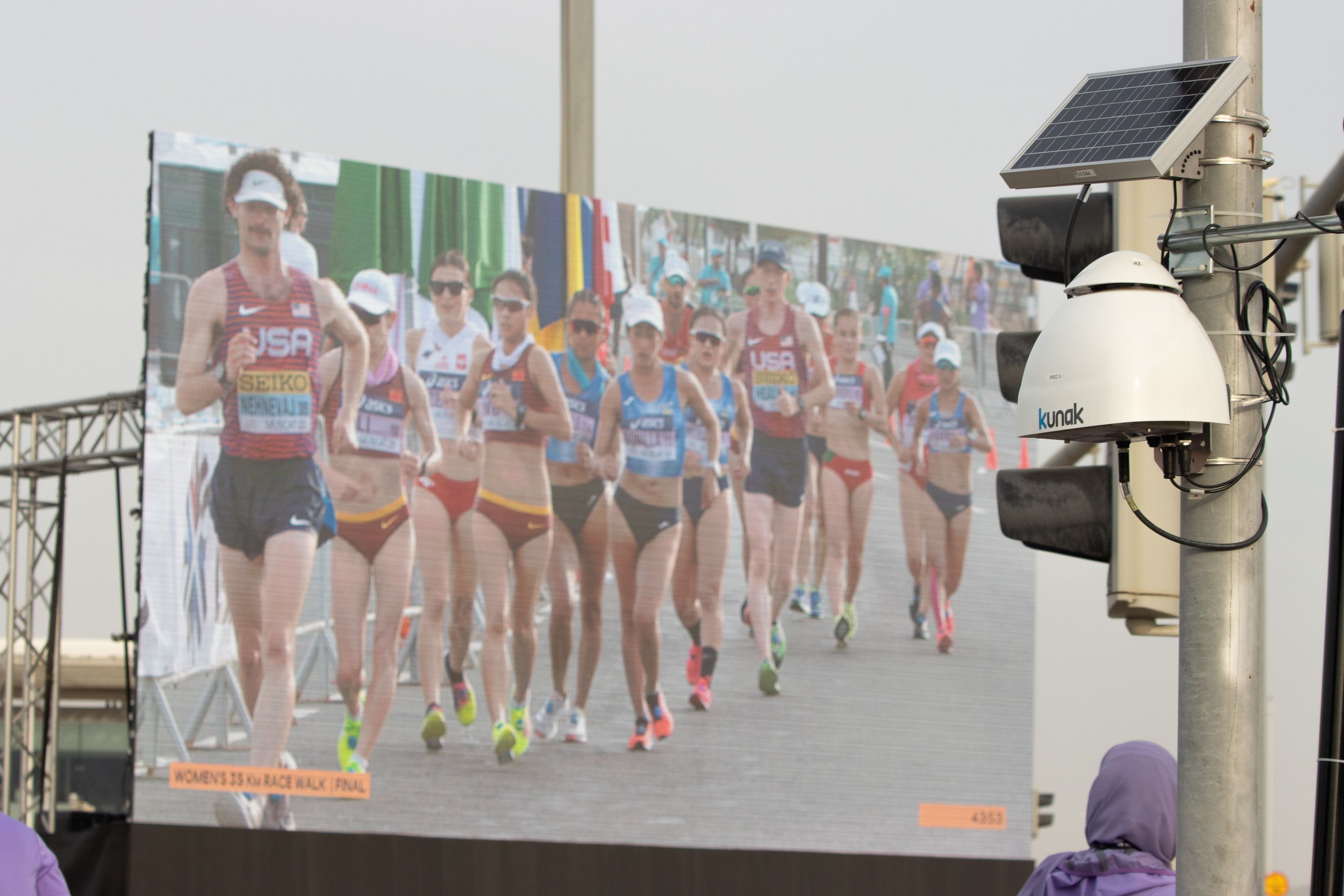
Air quality monitor at the World Athletics Race Walking Team Championships in Oman (© Bob Ramsak)
This page includes:
- Best practice examples from events
- Best practice guidance for organisers from the World Athletics Sustainable Events Management System, and
- additional resources
Attention event organisers:
- Did you know that our Sustainable Events Resource Centre has 13 templates available to help with your sustainability planning and reporting?
- Do you have any innovative examples of how you've incorporated air quality monitoring and awareness into your event? If so, we'd love to hear about them and help promote them. Let us know at sustainability@worldathletics.org.
Last updated: 29 May 2025


Local Environment and Air Quality Monitoring, Planning and Communicating - Best Practice Examples
13 May 2025
Reducing air pollution at the Daegu Marathon
Organisers of the 2025 Daegu Marathon implemented a ‘Car-Free Day’ campaign and strategic vehicle restrictions that significantly reduced traffic-related air pollution at the event.
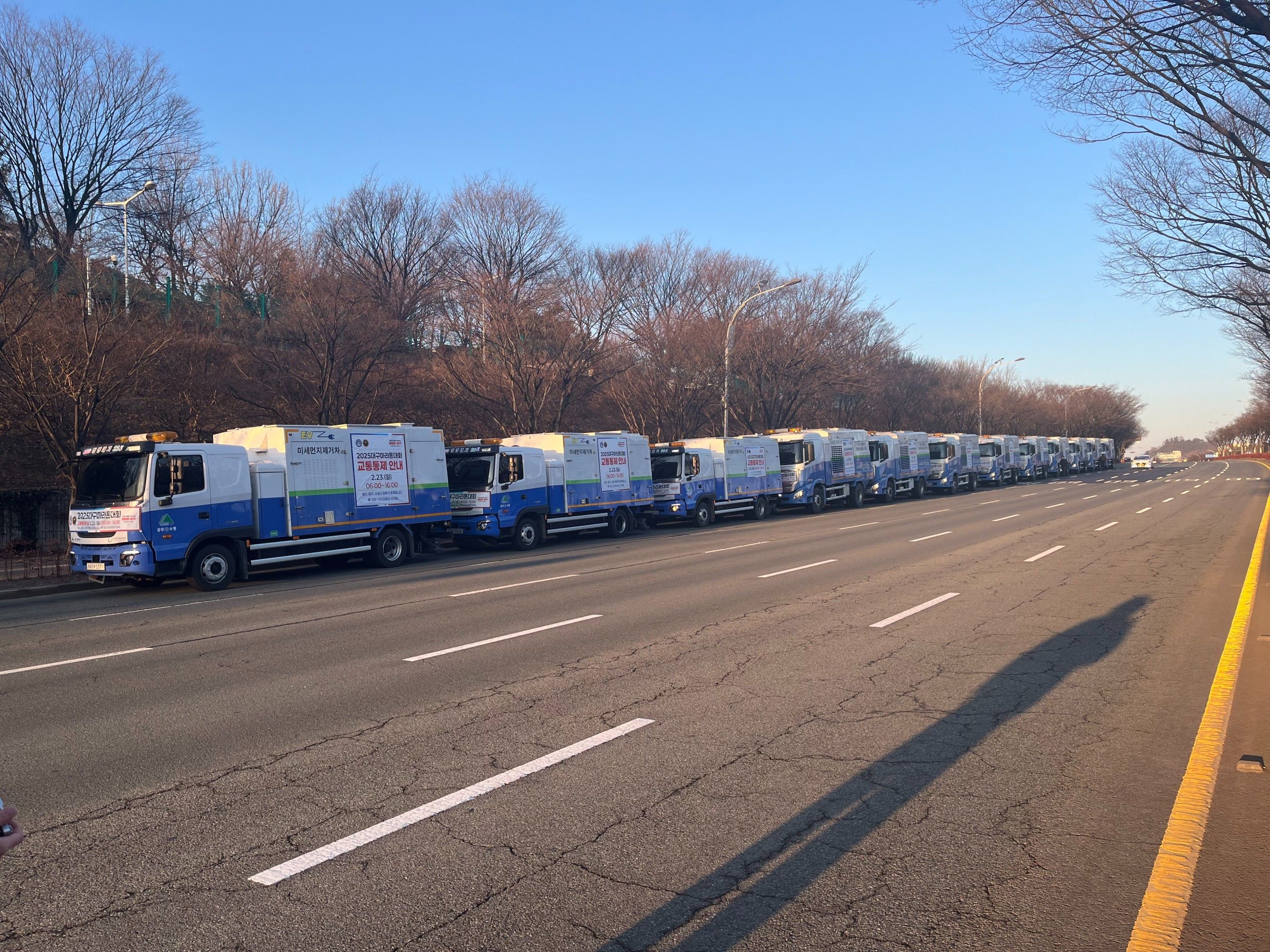
Two dust-suction vehicles were also deployed five days before the race to remove airborne particulates. On race day, ten vehicles were mobilised to minimise road dust resuspension, creating a cleaner and more pleasant event atmosphere for runners and spectators.
22 April 2025
Measuring urban biodiversity at the TCS World 10k Bangalore
Organisers of the 2025 10k Bangalore engaged with Bangalore University to conduct a study measuring how urban biodiversity interacts with a mass sporting event. The study included an ecological survey, air quality and noise levels monitoring and community surveys.
Real-time air quality monitoring was carried out using air quality sensors at regular intervals throughout the event. Despite there being over 34,000 participants and increased vehicular activity, no alarming pollutant levels were recorded during the race. This is largely because of eco-conscious event planning that included:
- Promoting public transport (e.g. metro availability from 3:30AM)
- Restricted parking zones and controlled access
- Waste segregation stations to reduce open-air contamination

08 December 2024
Implementing air quality monitoring at the Mexico City Marathon
After first monitoring air quality at the 2019 edition of the event, the 2024 Mexico City Marathon Telcel’s comprehensive air quality monitoring plan featured a strategic collaboration with the city's Atmospheric Monitoring Department to monitor and analyse air quality throughout the event.
A mobile air quality laboratory was installed at the Zócalo, the race's finish line, to measure conditions before, during and after the race, providing real-time data for ongoing assessment.
An air quality monitoring device was mounted on the electric lead vehicle supplied by partner MG, capturing air conditions along the entire course. Detailed reports revealed that the highest ozone concentration occurred at 1:00 PM because of rising temperatures, stagnant air and the dense urban environment of the Zócalo.
Complementing these efforts, a social media campaign was launched to encourage use of the AIRE App. Developed by the Atmospheric Monitoring Department, the app offered real-time hourly air quality data across 45 locations in Mexico City, along with 24-hour forecasts.

Air Quality Monitoring and Planning - Best Practice Guidance
Air pollution poses a major threat to both health and climate.
Recent data from the World Health Organisation shows that 9 out of 10 people breathe air containing high levels of pollutants with more than 90% of air pollution related deaths occurring in low- and middle-income countries, mainly in Asia and Africa. It is estimated that air pollution kills around 7 million people every year from exposure to fine particles in polluted air that penetrate deep into the lungs and cardiovascular system, causing diseases including stroke, heart disease, lung cancer, chronic obstructive pulmonary diseases and respiratory infections, including pneumonia.
Air quality is closely linked to earth’s climate and ecosystems globally. Many of the drivers of air pollution (i.e., combustion of fossil fuels) are also sources of high CO2 emissions. Some air pollutants such as ozone 24 and black carbon are short-lived climate pollutants that greatly contribute to climate change and affect agricultural productivity.
Actions and policies to reduce air pollution represent a “win-win” strategy for both climate and health, lowering the burden of disease attributable to air pollution, as well as contributing to the near- and long-term mitigation of climate change.
World Athletics owned World Athletics Series (WAS) events and World Athletics sanctioned events often cause significant local traffic disruption which, in turn, can elevate air quality issues. Through intelligent planning and integration of initiatives to monitor and/ or improve air quality, World Athletics can promote and protect a healthy environment for athletes, the World Athletics family, fans and the local community.
There are four areas to consider when planning your event:
1. Its location
2. Reducing the impact of traffic
3. Food preparation
4. Sources of energy that will be used
This best practice is implemented across the event planning cycle as follows:
1. During event planning
> Location
Your choice of location will have the largest influence on the air quality of your event. Three actions to consider during the selection process:
- Find a website to check the Air Quality Index (AQI) of your proposed locations. Choose an area that has an average AQI rating lower than 50.
- Avoid roads, industrial and agricultural processing plants.
- Choose areas on higher ground as they tend to have less pollution levels. Similarly, areas surrounded by trees and vegetation offer protection from local emissions.
> Establish air quality monitoring system
- Contact World Athletics for advice and guidance on air quality monitoring. They may be able to support the monitoring through their global work.
> Traffic
Some strategies you can use to ensure your event benefits from less traffic and that its impact is minimised:
- Time your event to avoid peak traffic hours to produce less congestion.
- Ban parking in or near the event zone. Making it less convenient for cars to park will greatly reduce emissions and encourage visitors to explore public transport alternatives.
- Introduce road tariffs for all vehicles, or those that are most polluting, to help create a low emission zone or clean air zone. The higher the emissions, the higher the tariff.
- Ban the most polluting vehicles or all internal combustion engine vehicles. Banning internal combustion engine (ICE) vehicles while allowing electric alternatives will reward visitors making environmental choices and incentivise future purchases of electric or hybrid technology.
- To make the greatest impact on air quality at your event, close the zone to all vehicles. Banning all vehicles allows you to showcase the difference a clean-air environment can make for visitors and also promotes a healthy lifestyle and active travel options.
> Food preparation
Food preparation can have a large impact on local air quality. The more people that attend your events, the greater the potential risk. Five ways you can limit emissions produced by cooking:
- Pre-cook as much as possible off-site to reduce cooking time.
- Place catering areas at the edge of events, away from spectators seating and athlete areas.
- Avoid solid fuel or coal cooking.
- Use filters on extraction units. Ensure extraction units direct exhausts away from competitors and spectators.
- Supply clean energy so caterers don't have to rely on diesel generators for power.
> Sources of energy to be used
Inevitably, your events will need a source of power. Your energy needs, along with the method you use to obtain that electricity, can have a huge impact on local air quality. The sources of electricity available are split between energy that is produced offsite and energy produced onsite. Offsite energy is often referred to as Mains Electricity which includes Mains Renewable or Mains Fossil; onsite energy is often referred to as temporary power.
- Offsite: Mains Renewable is electricity purchased from the national or local grid that comes from wind, solar or tidal energy. The key benefits: sources of renewable energy have a negligible impact on air quality. If the country you are operating in doesn't supply renewable energy, you may be able to purchase renewable energy credits as an alternative.
- Offsite: Mains Fossil. In most countries mains electricity is produced from burning fossil fuels such as coal. Although these release carbon dioxide into the atmosphere, mains electricity is much more efficient than using generators. Local air quality is improved as power stations are rarely seen near events.
- Onsite: HVO. Hydro Treated Vegetable Oil fuel can be made from both virgin and waste oils. Benefits: it's a colourless and odourless fuel of an even quality that has an identical chemical composition with fossil diesel, is widely available in Europe (and increasingly available in North America) and can reduce greenhouse gas emissions by up to 90%, significantly reducing your operational footprint. Downside: it is significantly more expensive than red diesel due to demand.
- Onsite: FAME - WVO. FAME is an acronym for “Fatty Acid Methyl Esters" and describes a range of renewable fuels. FAME WVOs fuels are made from Waste Vegetable Oils. Benefits: it's non-toxic & non contaminative, widely available in Europe (and increasingly available in North America) and reduces your event's carbon impact by using waste products. Downside: inexperience in using biodiesel can lead to generator problems.
- Onsite: FAME - Virgin Fuel, or fuels made from virgin vegetable oils, crops grown specifically to be made into fuels. Benefits: it's non-toxic & non contaminative and widely available in Europe (and increasingly available in North America). Downsides: Inexperience in using biodiesel can lead to generator problems and can have many damaging impacts, depending on how it is produced.
- Onsite: FAME - Blended. A fuel that is a combination of Red Diesel and a FAME. It's better for the environment than pure red diesel but its impact on air quality is still similar to red diesel.
- Onsite: Red Diesel. Red Diesel is just regular diesel with dye added to it because it is a lower cost diesel intended for agricultural or non-vehicle applications. It is widely available and easy to use in generators but has the worst impact on air quality and the environment in comparison to the other options.
2. During event delivery
> Monitoring air quality
- Ensure someone is responsible for monitoring the air quality for the athletes during an event and have a plan in place to take action to protect athlete and spectators’ health should air quality level exceed agreed thresholds
- Ensure the temporary power provider is monitoring and maintaining the filters and exhaust from the generators to eliminate any black smoke or similar
- Ensure all traffic measures are implemented
> Road races – course marshal
- Work with sponsors and partners to provide low emission, electric or hydrogen cars as course marshals for road races to eliminate any unnecessary emissions for the athletes and spectators
> Establish a low emission zone around the stadium or race area
- Work with the local authority or host city to establish a temporary/ pilot low emission zone around the stadium or race area. Using this as a pilot to drive low carbon transport across the city or areas which are kept emission free for outdoor sport and recreation
3. Post event wash up
- Collect the air quality monitoring data and review this during the post event ‘wash up’ meeting with the host city/ venue
- Identify options to leave air quality monitoring units in situ for future events and for sharing information across the city
- Review the effectiveness of the measures that were taken and encourage the host city to adopt these for improving the health and wellbeing of city inhabitants creating permanent low emission zones
- Ensure any areas for improvement are fed into and documented (along with actions) during the internal post event review meeting and incorporated into end of event report
Additional Resources
December 2025
Managing Sports Events for Nature
Sports for Nature published guidance to manage sports events with nature in mind. The document is designed especially for organisers and venue managers in the sport industry who may lack specialist ecological expertise but still want to reduce risks, avoid negative impacts and create positive outcomes for biodiversity.
March 2025
Air quality, respiratory health and performance in athletes
Research summarising the IOC consensus subgroup narrative review on 'Acute Respiratory Illness in Athletes'. The paper also discusses the various sources of air pollutants encountered during exercise, summarises the effects of air pollution on the respiratory health and performance of athletes, and proposes mitigation strategies.
June 2024
How air pollution can affect athletes – The Conversation
Article by Valérie Bougault from Université Côte d’Azur analysing the main air pollutants that affect athletes, circumstances when athletes should be careful to avoid air pollution, and how air pollution affects performance.


World Athletics Sustainable Event Best Practice Guidance
[Sustainability Leadership] [Developing Your Sustainability Plan] [Sustainable Procurement] [Waste Management] [Energy Management] [Food Management] [Water Management] [Travel Planning] [Accommodation] [Carbon Neutrality] [Air Quality] [Diversity, Accessibility and Inclusion] [Health Safety Wellbeing] [Monitoring and Reporting] [Communications]