

Sustainable Events Management:
Energy Management Best Practice Guidance & Examples
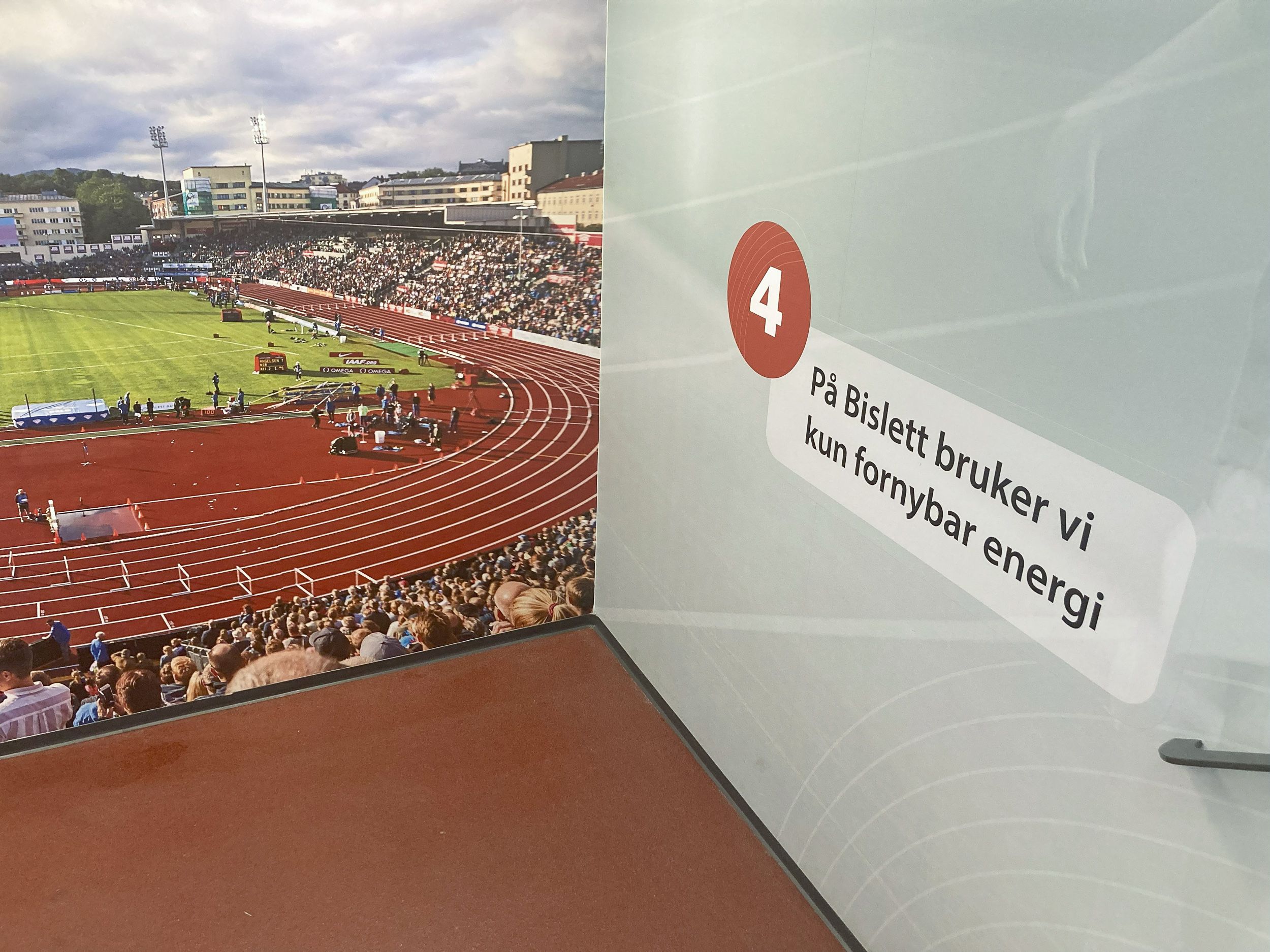
One of Bislett Stadium’s sustainability commandments: At Bislett, we only use renewable energy (© World Athletics)
This page includes:
- Best practice examples from events
- Best practice guidance for organisers from the World Athletics Sustainable Events Management System, and
- additional resources
Attention event organisers:
- Did you know that our Sustainable Events Resource Centre has 13 templates available to help with your sustainability planning and reporting?
- What are some of the ways that you have incorporated sustainable energy management into your event? Let us know so we can share them here with others. Get in touch at sustainability@worldathletics.org.
Last updated: 29 November 2025


Energy Management Planning - Best Practice Examples
19 November 2025
Producing food from compostable cups at the Chicago Marathon
Chicago Event Management, organisers of the Bank of America Chicago Marathon and the Bank of America Chicago Distance Series, devised an initiative to produce compost from bananas and apples given to runners at the finish line, but also compostable cups that runners used to drink water from while racing.
The compost was used by A Safe Haven, a community initiative that educates people in the local community how to grow food, cook food and create meals. Food grown in soil with the compost was added to meals that were given to the Chicago Event Management team to eat on race day.
Take a look at this Instagram video by sustainable running champion Tina Muir for more about the initiative.

16 April 2025
Composting at the Lima Marathon
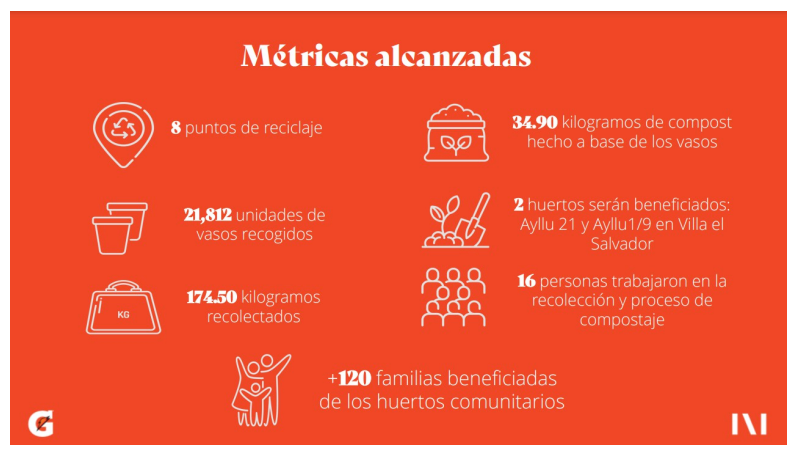
21,812 compostable cups were collected at the 2024 Lima Marathon and transformed into 34.90kg of compost.
The compost was then used to provide energy for plants at two community gardens in the city, benefiting 120 families.
04 December 2024
Running to generate energy at the Sparkassen Cross in Germany
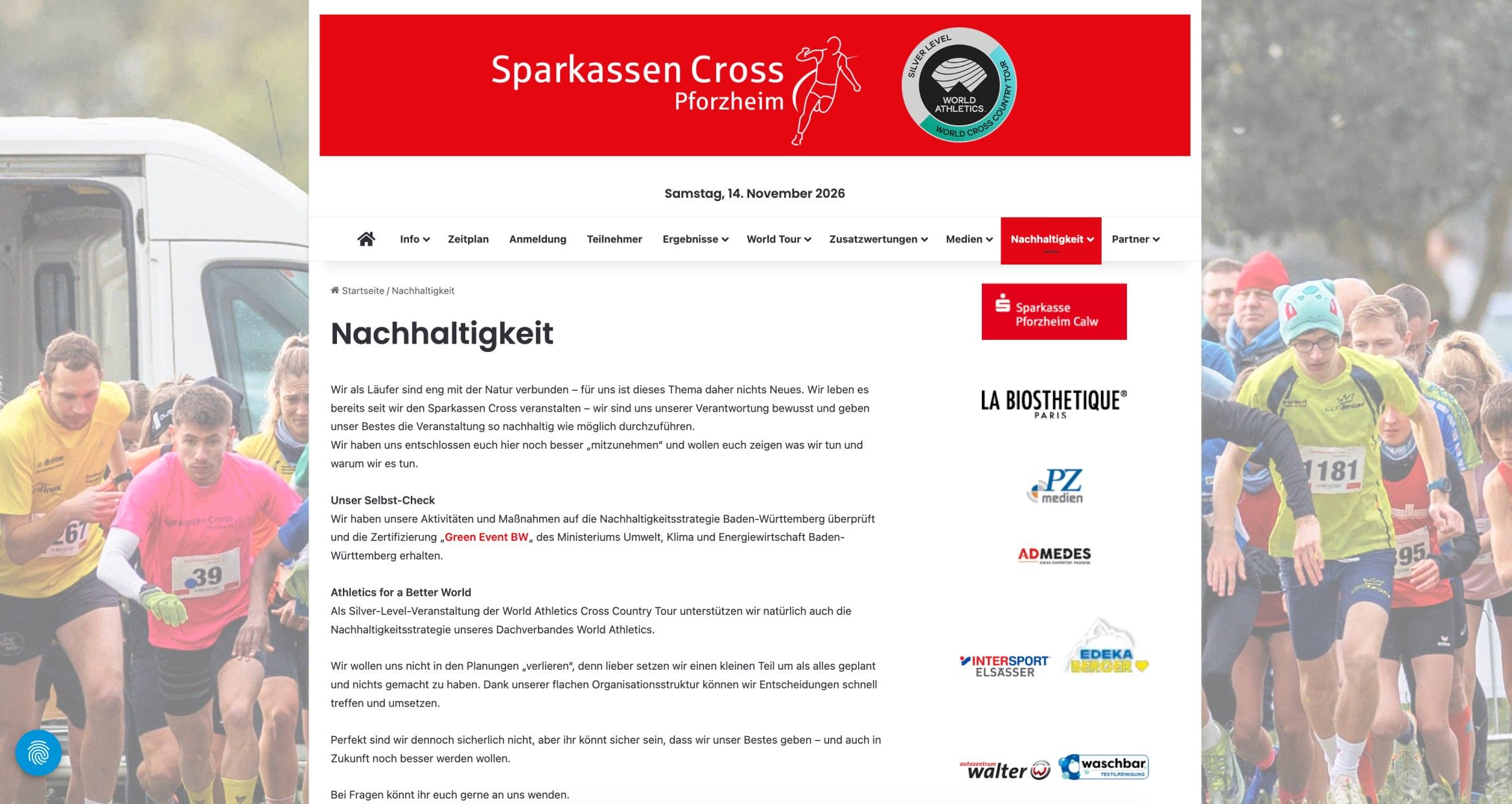
The 2024 Sparkassen Cross in Pforzheim, Germany partnered with Lohwiesenhof farm to use almost 100% green electricity for the race from biogas and photovoltaics.
Energy was produced partly from the biogas plant on site, partly from participants running on the cross-country course's grass.
03 August 2024
Tottenham Hotspur’s energy-efficient mega stadium
Tottenham Hotspur Stadium, completed in 2019, is one of the most energy-efficient stadiums in the world. The building design includes solar shading, reducing the need for additional energy usage.
The stadium’s building fabric was designed to be highly insulated, reducing heating and cooling demands. Its technology infrastructure allows for the consumption of less power during periods of low activity.
LED lighting (including floodlights) and high-efficiency building services systems are also in place to reduce energy use.
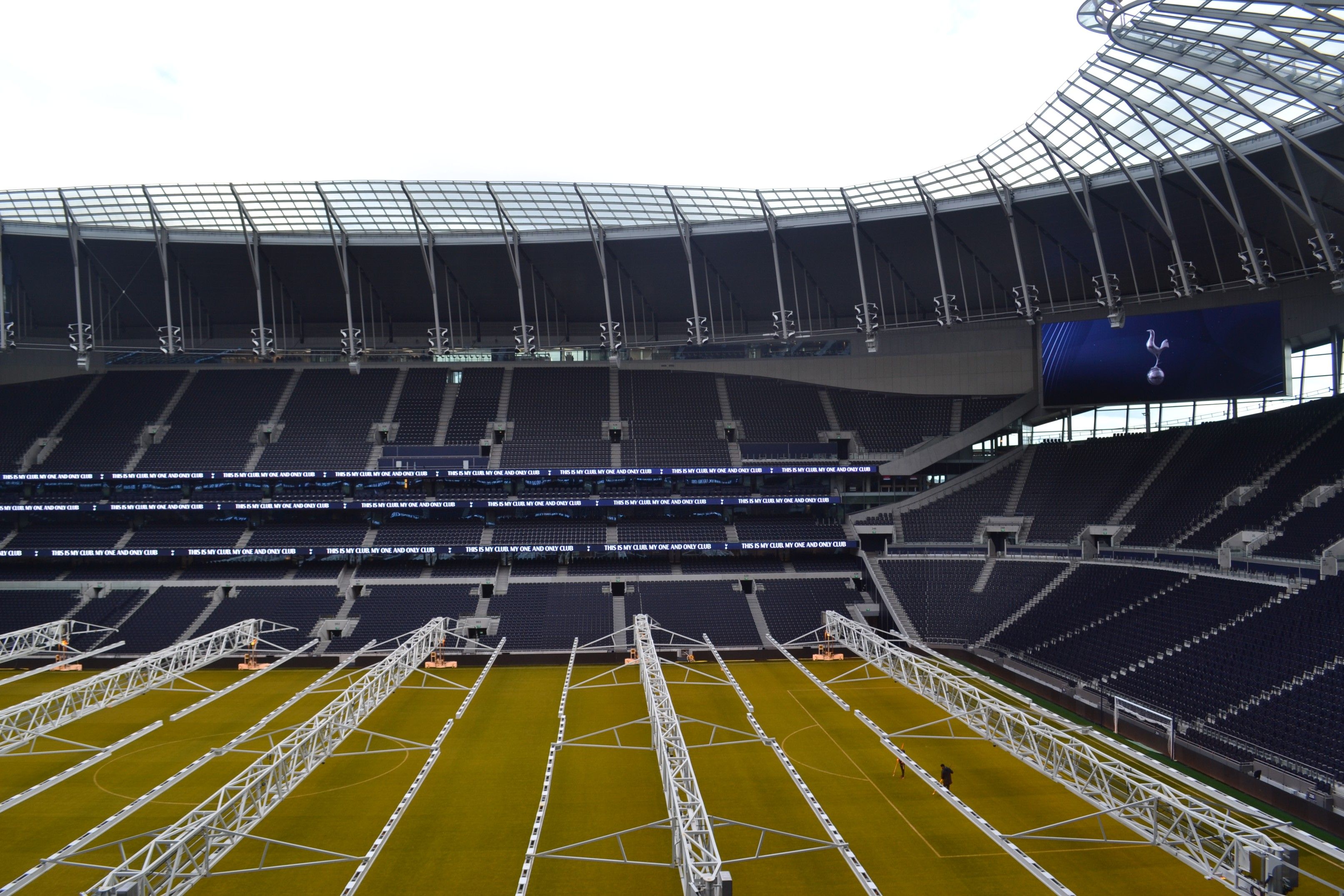
Tottenham Hotspur Stadium. Photo by Daniel, licensed under CC BY 2.0.
Energy Management - Best Practice Guidance
World Athletics is committed to operating to a high level of energy efficiency, reducing the carbon content of the energy provision to ensure as low a carbon footprint as possible from its operations. World Athletics has set a target to be carbon neutral by 2030. A significant area of carbon emissions is from energy provision at events. Recognising that World Athletics do not own stadiums, engaging and collaborating with the host city, venue, LOC and suppliers on sustainability goals is key to achieving carbon reductions.
Globally, energy generation is still predominantly from non-renewable, fossil fuel sources contributing to global carbon emissions. This guidance is around the energy we directly use, energy used in the production of the products and services we procure as part of the temporary power energy provision during events.
Our approach to energy management is to reduce and, where technically possible, eliminate our energy demand through design and efficiency and re-carbonise the energy used switching away from fossil fuels to biofuels and renewable energy.
Measure and prioritise your carbon footprint
For more information on measuring and prioritising your carbon footprint revisit the second World Athletics sustainability e-training module, Understanding Carbon Emissions, which can be found here.
Electricity, fuels and temporary power all form a significant part of the overall carbon footprint of an event and understanding the size of the impact will help to prioritise action accordingly.
The training will explain more, but energy consumption forms a key part of direct emissions called Scope 1 and Scope 2 emissions. These are a priority to address.
Energy management planning

Each event should look to create an energy management plan that works through the “LEGO” energy hierarchy to minimise carbon emissions.
• LEAN - by eliminating unnecessary energy needs of the event overlay design e.g., minimising the need for HVAC. Reduce total consumption by ensuring staff, volunteers and contractors turn off equipment when not in use
• EFFICIENT - through provision of temporary power, working with contractors to design efficient provision and ensure all equipment is energy efficient – i.e., LED lighting
• GREEN - decarbonise the energy provision by choosing the generation type; permanent or temporary with the best/lowest carbon footprint, for example:
◦ Use grid connections wherever possible with renewable energy for mains/ grid power
◦ For temporary power use biofuels, solar-hybrid, hydrogen fuel cells
◦ Consider energy storage to maximise use of solar power
• OFFSET - the remaining emissions by calculating the remaining carbon emissions and selecting a relevant offset programme. Monitoring should also include the total energy demand across the event to drive continual improvement and lessons learned for future events.
Additional Resources
March 2025
Identifying challenges, benefits, and recommendations for utilizing solar panels in sport stadiums: A thematic analysis
Progress in Engineering Science research exploring the challenges, benefits and potential of powering stadiums with solar power.
January 2025
Energizing Change: How Sports Lead The Way In Sustainable Energy
17 Sport showcases various case studies from across the sport industry to highlight how organisations can reduce their energy use and alignment with "extractive" sponsors.
December 2023
Global renewables: Pioneering the energy transition | DW Documentary
A documentary produced by DW that provides a global overview on existing solutions for a worldwide energy transition, as well as investigating what challenges still need to be overcome for this to happen.
How Renewable Energy Is Powering the Next Generation of Stadiums
Sports Venue Technology article analysing the different means of sustainable energy used to power modern sports stadiums.
World Athletics Sustainable Event Best Practice Guidance
[Sustainability Leadership] [Developing Your Sustainability Plan] [Sustainable Procurement] [Waste Management] [Energy Management] [Food Management] [Water Management] [Travel Planning] [Accommodation] [Carbon Neutrality] [Air Quality] [Diversity, Accessibility and Inclusion] [Health Safety Wellbeing] [Monitoring and Reporting] [Communications]