

Sustainable Events Management:
Water Management Best Practice Guidance & Examples
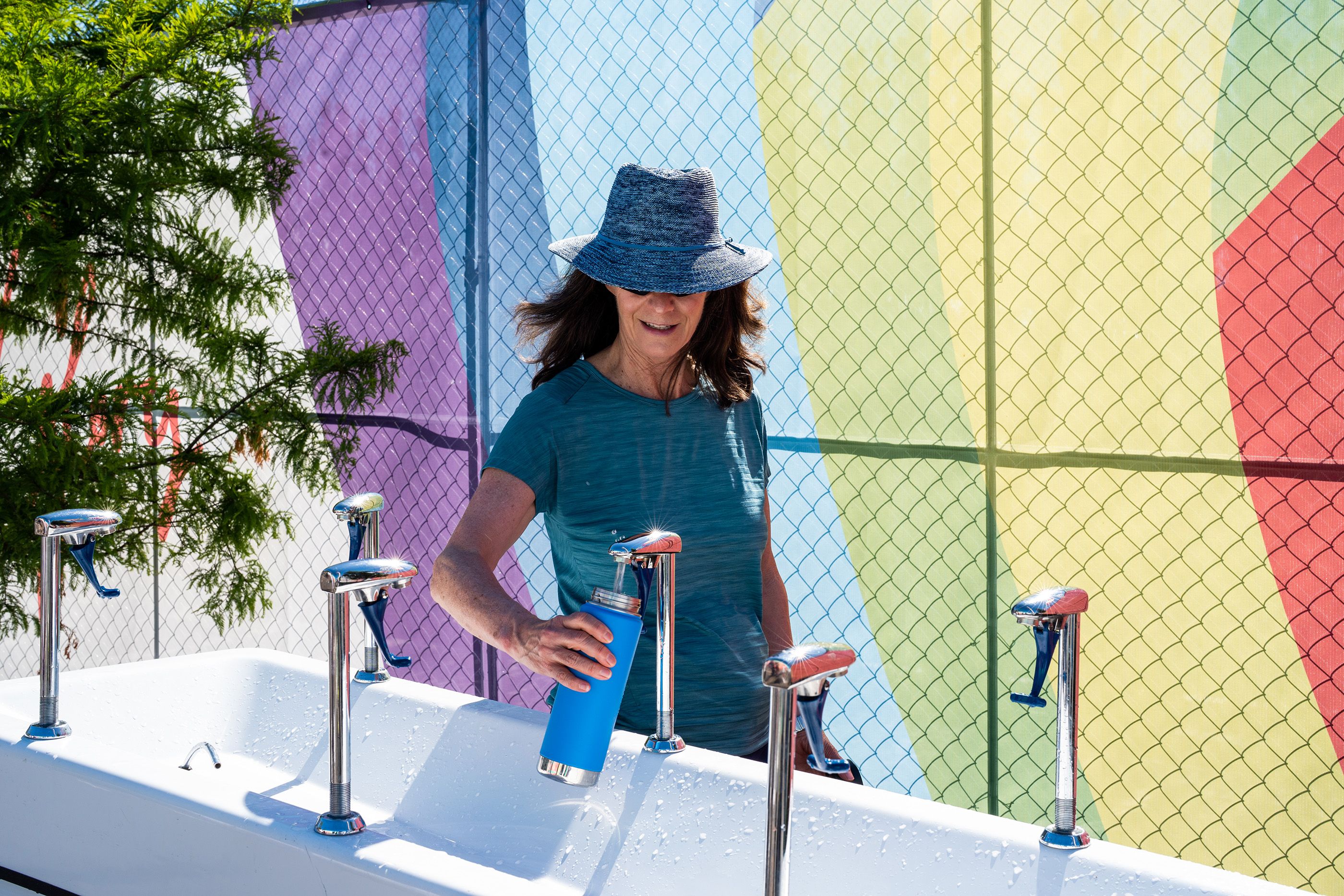
WCH Oregon22 encouraged the use of 35 temporary drinking water stations (© Taylor Sims)
This page includes:
- Best practice examples from events
- Best practice guidance for organisers from the World Athletics Sustainable Events Management System, and
- additional resources
Attention event organisers:
- Did you know that our Sustainable Events Resource Centre has 13 templates available to help with your sustainability planning and reporting?
- What are some of the ways that you have incorporated a more sustainable water management system into your event? Share your examples with us so we can share them with other. Get in touch at sustainability@worldathletics.org.
Last updated: 16 April 2025


Water Management Planning - Best Practice Examples
02 April 2025
Optimising water use at the Mumbai Marathon
The Tata Mumbai Marathon has embraced sustainability since 2016, following the principles of Reduce, Reuse, Recycle and Compost to manage waste responsibly and ensure compliance with local regulations.
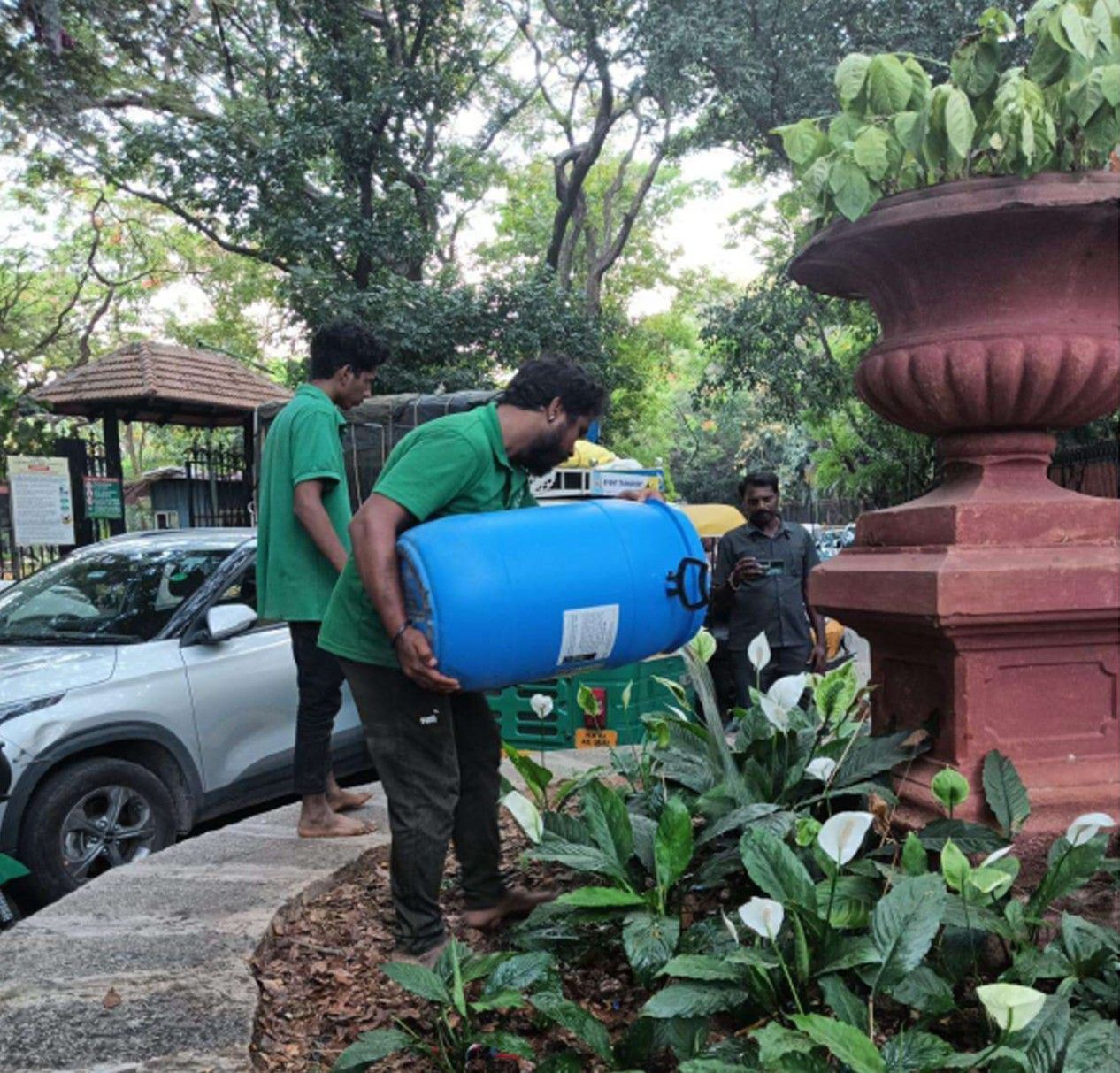
As part of this commitment, 2025 race participants were encouraged to carry or refill their own bottles at water refill stations on the race route. 443 litres of half drunk water was retrieved from water bottles after the race, which was then used to water local neighborhood plants.
Water was also considered at the event’s waste segregation kiosks by separating dry, wet and compostable waste.
17 February 2025
Promoting sustainable water use at the 68° Campaccio-International Cross Country
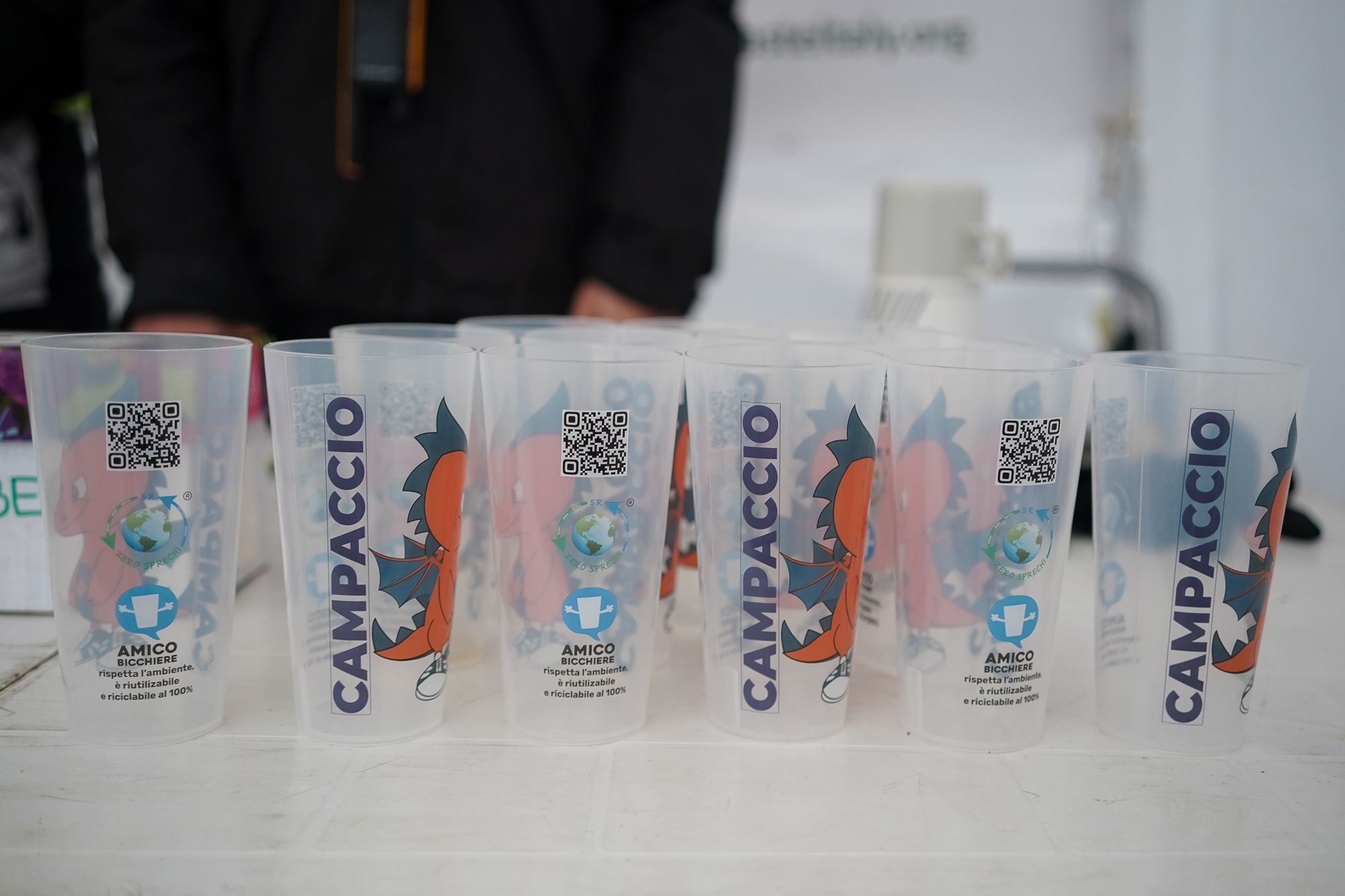
Drinking water dispensers were installed at the 2025 edition of the Campaccio-International Cross Country, an annual race held in Lombardy, Italy.
The event’s Instagram page encouraged runners to bring their own water bottle or use reusable cups with a design including Giorgino, the Campaccio mascot. The cups also had a QR code on them that runners could scan to learn about Campaccio’s sustainability plan.
06 December 2024
Working with partners at the Chicago Marathon to eliminate single-use plastic bottles
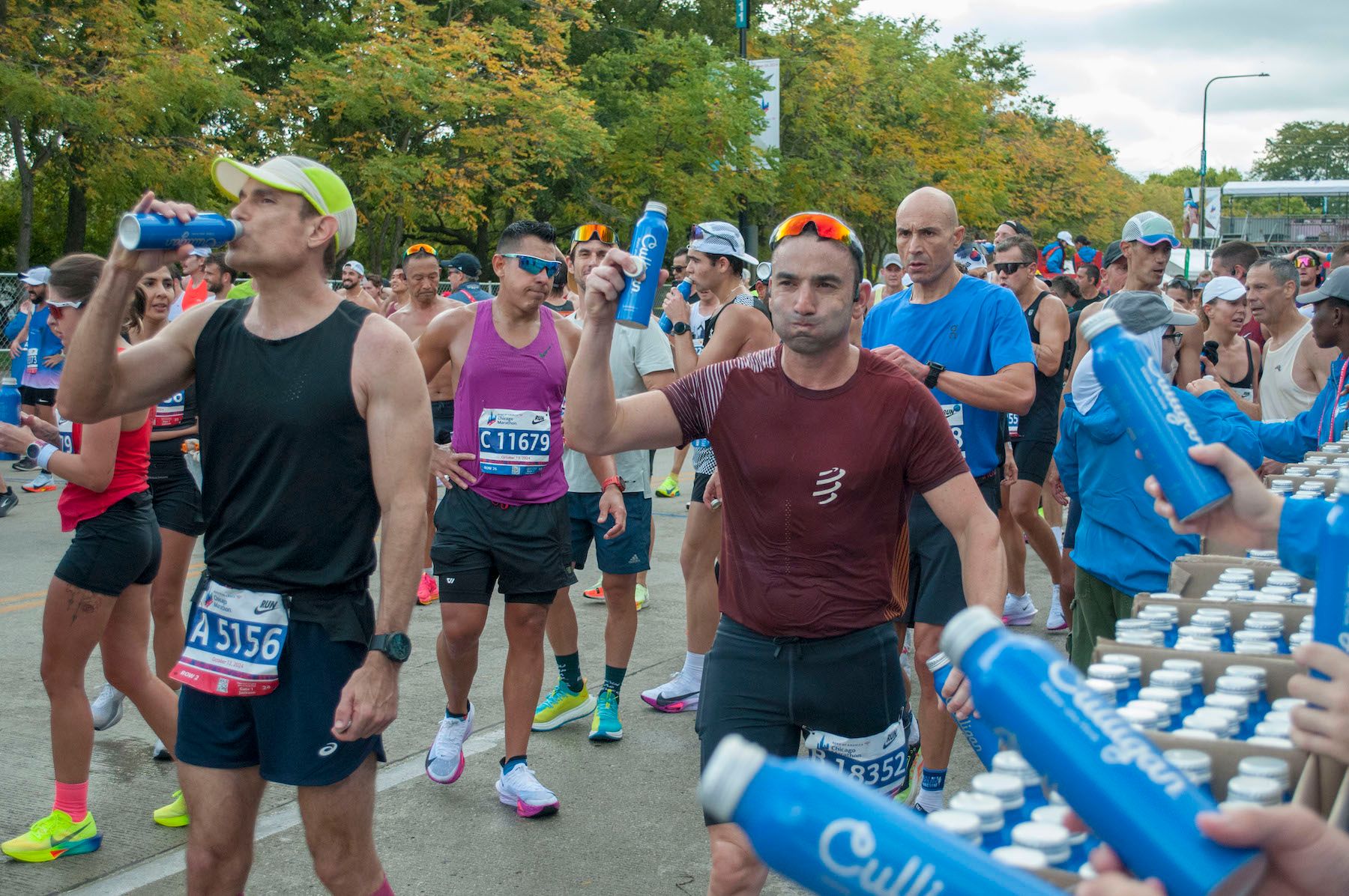
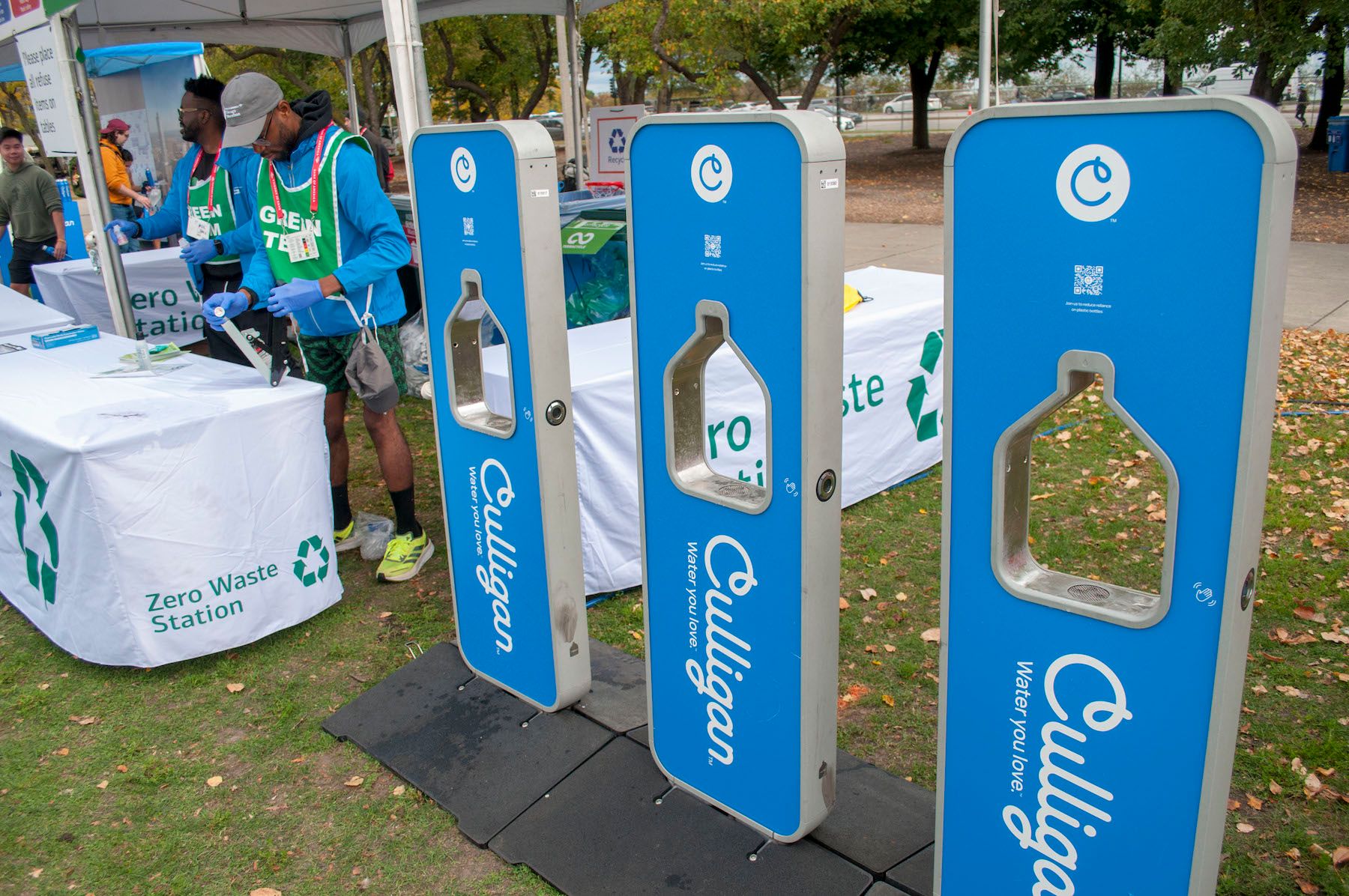
The Bank of America Chicago Marathon welcomed a new partner to its sustainability efforts in 2024 in Culligan International. Culligan and Chicago Marathon organisers collaborated to reduce reliance on single-use plastic water bottles by offering runners aluminum Culligan water bottles at the finish line.
Participants, along with their friends and family, were also encouraged to refill their water bottles at one of the many water refill stations at the event.
 |
 |
02 August 2024
Water Refill Stations at Paris 24 Sailing Venue in Marseille
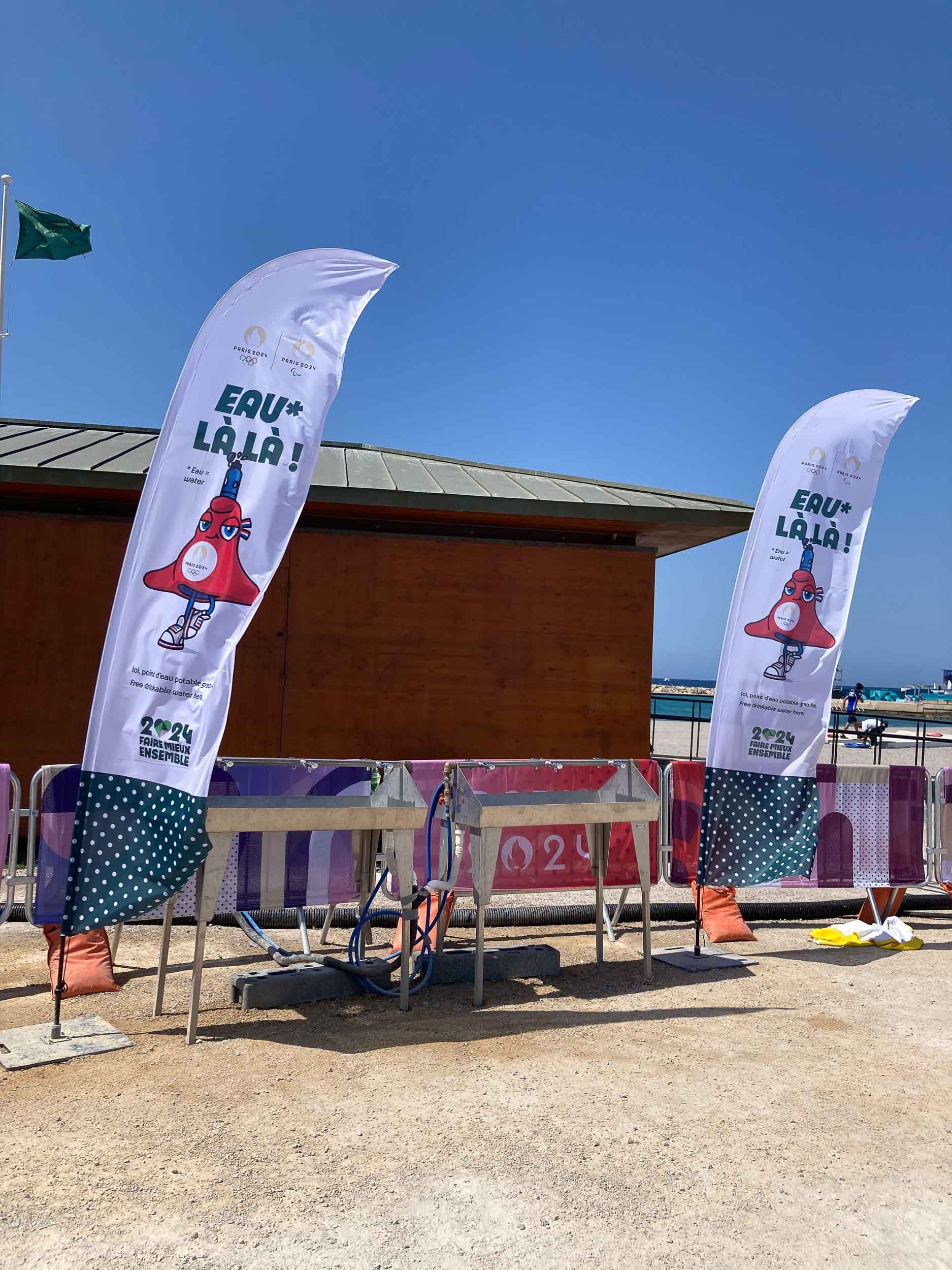
Encouraging spectators to bring their own refillable water bottles was a strong component of the Paris 24 organisers' efforts to both reduce the amount of single-use plastic at the event and work to ensure that all spectators would have easy access to drinking water to stay hydrated and safe. Water refill stations were a key part of that - given the 30-35 degrees Celcius conditions that descended upon Marseille, water refill stations, such as those pictured here, were both welcome and necessary.
The models were similar to those used elsewhere at other events around Europe. The signage was well designed and placed as well.
Water Management - Best Practice Guidance
An awareness of all water provision including those on and off the field of play is imperative to running successful events.
Water provision in light of the effects of climate change is a hugely contentious global issue with drought and flooding events ever increasingly affecting both developed and developing nations. Much of the world exists with limited clean drinking water and sanitation facilities. World Athletics recognises the value of this precious commodity and will endeavour to conserve and protect our water resources. This extends to the habitats and species around our waters.
Sustainable water management includes reducing water wastage, re-use of grey water, eliminating potential of pollution from oil and fuels, chemical cleaning products and solid waste.
Operationally, your event should aim to:
- Leave no trace on the aquatic environments on or around the field of play (rivers, lakes, coastal environment etc.)
- Enact water conservation techniques wherever possible
- Provide filtered (mains) drinking water facilities
This is implemented across the event planning cycle as follows:
1. During event planning
• Review the use and disposal options to create a supply and disposal plan that minimises environment impact, accounting for:
o CLEAR WATER: Potable drinking water
o BLUE WATER: Clean water used for washing and irrigation (not for drinking)
o GREY WATER: Water from washing and cleaning, with no organic contamination
o BLACK WATER: Catering sullage and sewage
• Ensure all legal compliance regulations are known, adhered to and if necessary, obtain the relevant discharge consents and licences
• Selecting the right option:
o Where possible, use mains water suppliers and sanitation rather than transporting in temporary infrastructure
o Where temporary infrastructure is required, aim to minimise transport miles and maximise efficiency of equipment
o Regularly inspect water infrastructure to ensure integrity and, where necessary, efficiently repair damage/ leaks
o Identify and implement water saving products and services
o Identify opportunities to implement usage of rainwater/blue or grey water solutions. e.g., irrigation, washing
o Cold water hand washing facilities are sufficient for sanitation facilities and save on energy used to heat water
• Protecting the environment
o Where needed, identify cleaning products that do not harm the environment
o Understand drainage and potential sources of contaminated spillage, protecting surface drains
• Plan for drinking water refill stations to support elimination of single use plastics (see waste)
• Ensure suppliers understand data reporting requirements – make these contractual requirements
2. During event delivery
• Incidents and compliance
o Ensure there is a drainage plan on site as part of event safety/ emergency team in case of incident
o Ensure all event team staff are trained on spill response – check training records
o Throughout installation and duration of the event, ensure there are no leaks in any temporary water provision
o Have adequate spill kits on site to address any spills
o Check eco-friendly cleaning supplies and any chemicals in use are approved and any run-off is minimised
o Pass on water conservation messaging to the athletes, suppliers and staff to ensure taps and any hoses are not left running
o Report and record any incidents or near misses
3. Post event wash up
• Ensure data is provided (contractual requirement) on total water consumption and wastewater disposal – mains and temporary
• Review equipment with water saving devices and those without/ not supplied
• Review any incidents, identify causes and identify effective measures to eliminate incidents at next event – share best practice across World Athletics Events
• Review delivery against targets and identify areas for improvement
Videos
video
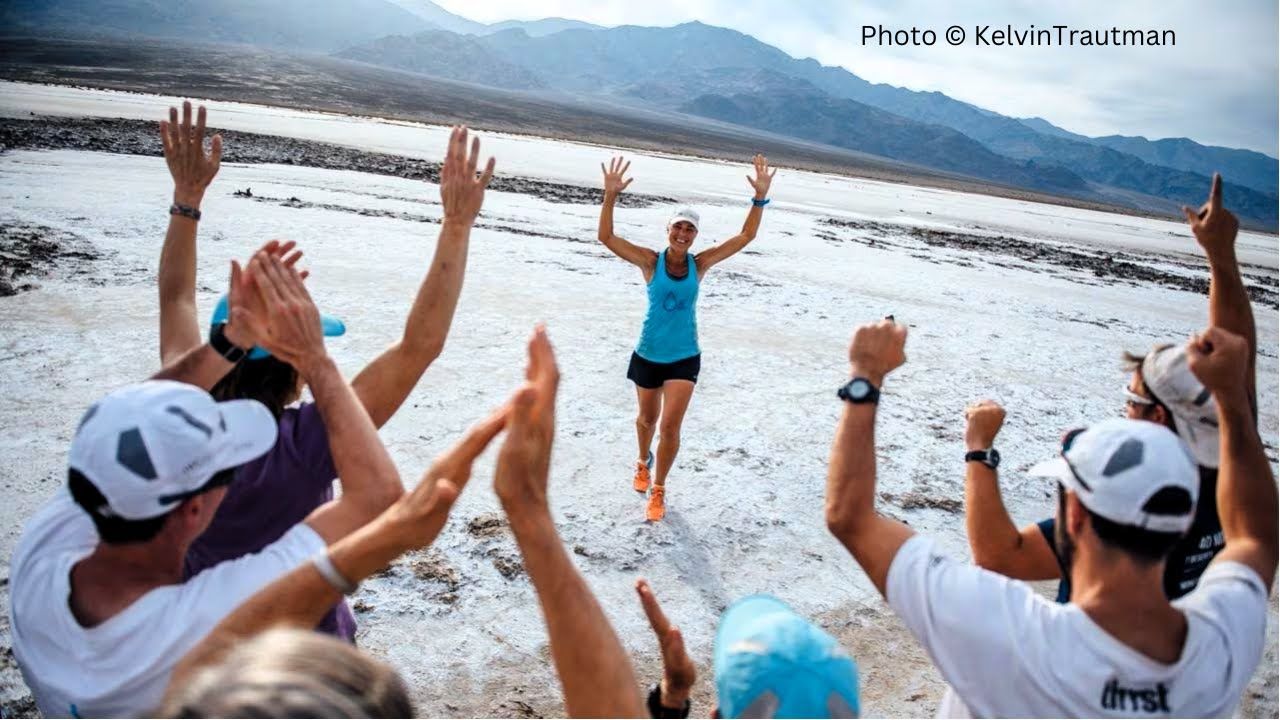
Climate Change and the Weight of Water

video
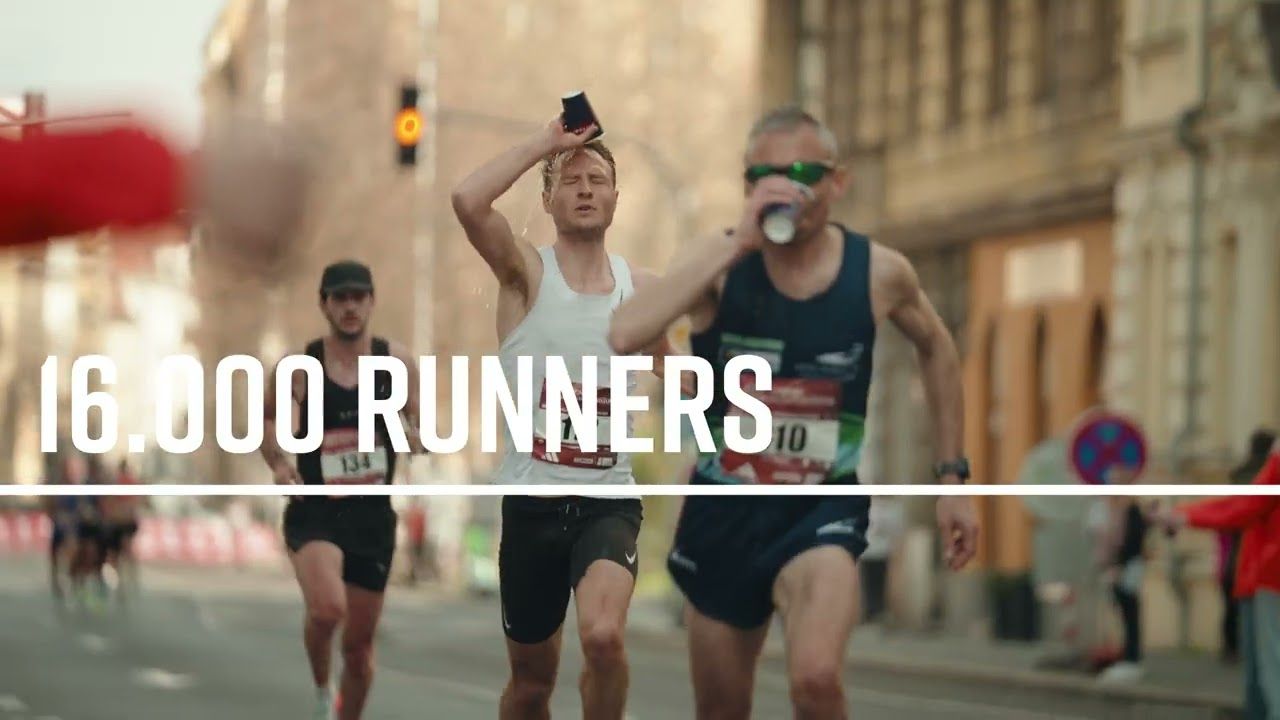
What happens at refreshment points during a RunCzech race? One day in 90 secs
video
Explained | World's Water Crisis | FULL EPISODE | Netflix

video
UNEP - Integrated water management and climate resilience
World Athletics Sustainable Event Best Practice Guidance
[Sustainability Leadership] [Developing Your Sustainability Plan] [Sustainable Procurement] [Waste Management] [Energy Management] [Food Management] [Water Management] [Travel Planning] [Accommodation] [Carbon Neutrality] [Air Quality] [Diversity, Accessibility and Inclusion] [Health Safety Wellbeing] [Monitoring and Reporting] [Communications]