

Sustainable Events Management:
Travel Planning - Best Practice Guidance & Examples

This page includes:
- Best practice examples from events
- Best practice guidance for organisers from the World Athletics Sustainable Events Management System, and
- additional resources
Attention event organisers:
- Did you know that our Sustainable Events Resource Centre has 13 templates available to help with your sustainability planning and reporting?
- What are some of the ways that you have incorporated more sustainable methods and modes of travel planning into your event? Let us know so we can share them here with others. Get in touch at sustainability@worldathletics.org.
Last updated: 24 September 2025


Travel Planning - Best Practice Examples
18 August 2025
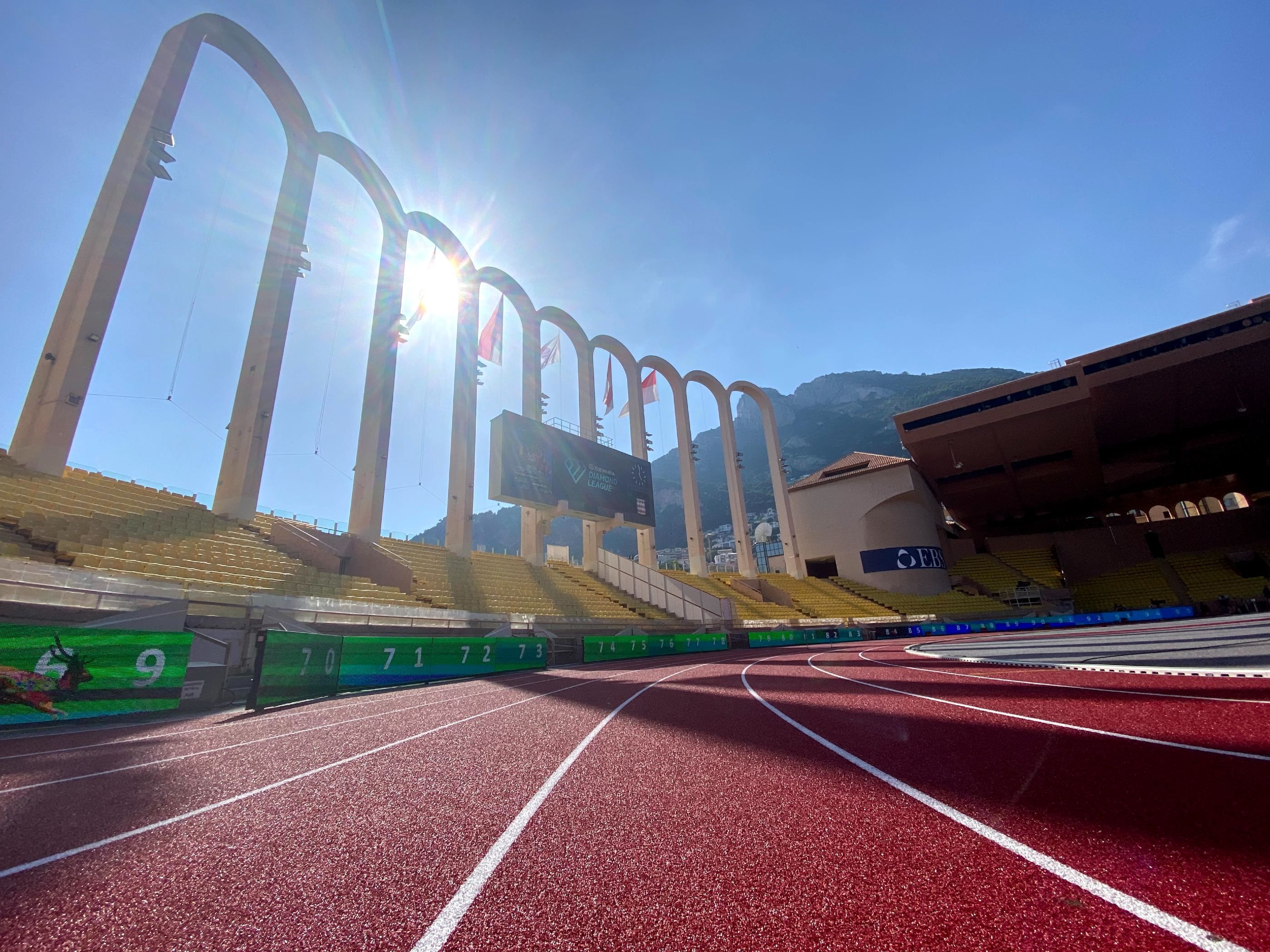
Encouraging public transport use at Monaco Diamond League
More than 400,000 spectators attended the 15 Wanda Diamond League meetings in 2024, with around half using public transport to reach the competition venues.
62% of attendees used a tram, metro, bus or bike to attend the Hercules EBS Monaco Diamond League. Monaco was one of five events (Zurich, Oslo, Lausanne and Silesia being the others) to offer ticketed spectators free transport to the event through partnerships with municipal and regional public transport service providers.
28 July 2025
Actively engaging with spectators at Rome Diamond League
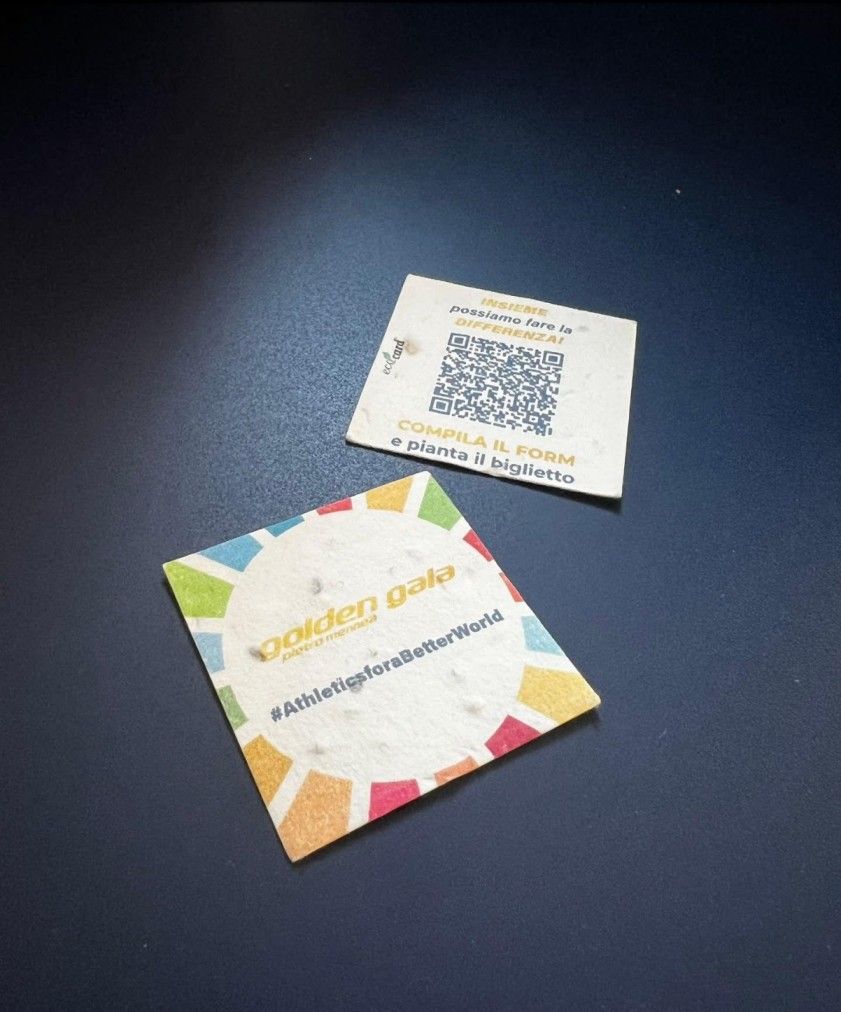
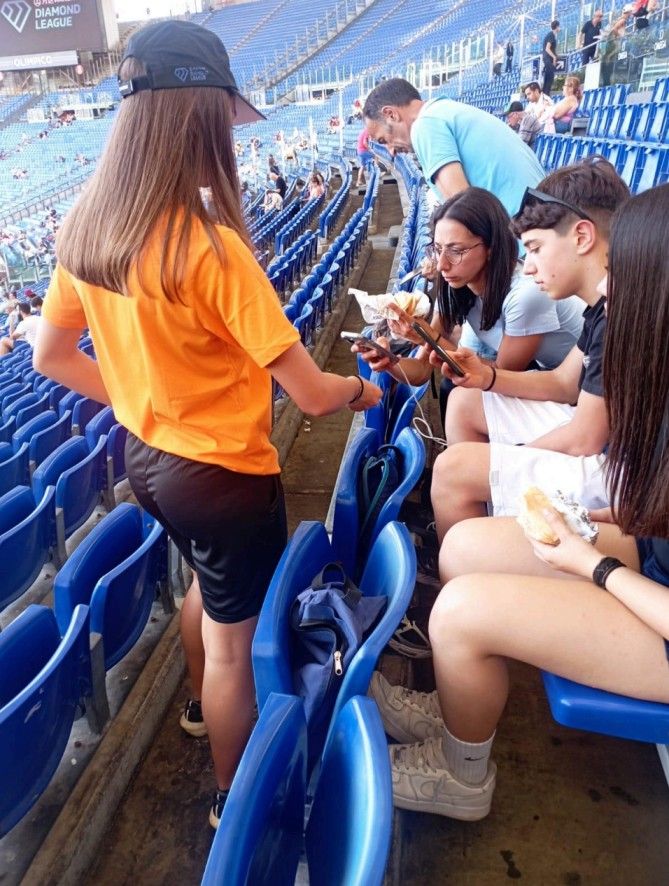
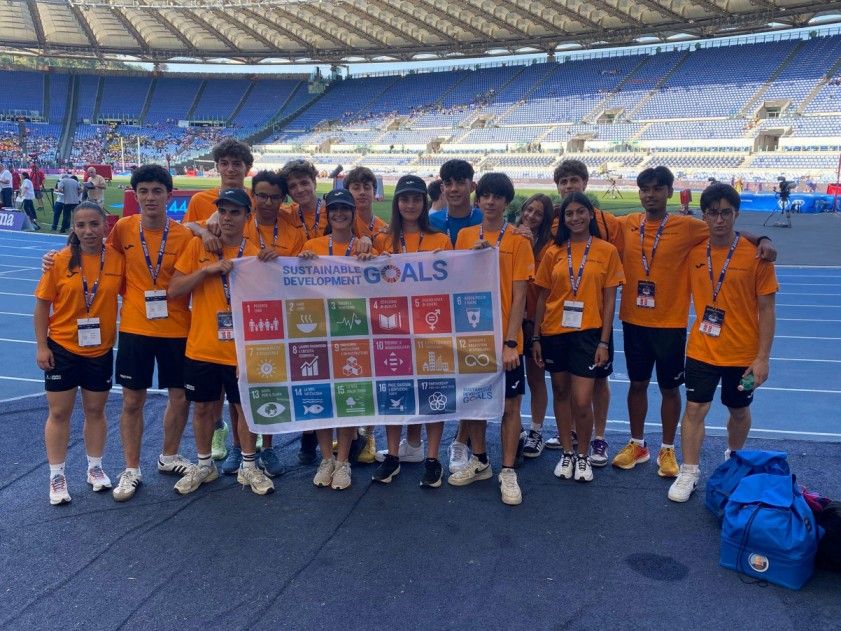
Volunteers at the 2025 Golden Gala approached spectators with a QR code on paper made from plant seed paper that linked to a survey asking about transportation methods used to attend the event and preferences regarding sustainable modes of transport.
Event organisers and city authorities posted on Instagram to encourage spectators to attend the Stadio Olimpico Diamond League meeting by public transport, and that Metrebus season ticket holders could purchase up to four Golden Gala tickets with a 20% discount.
 |
 |
 |
20 June 2025
Train travel and partner promotion at the Generali Genève Marathon
2025 Generali Genève Marathon organisers collaborated with official supplier for the event Léman Express, a commuter rail network covering west Switzerland and the French Alps, to nudge runners towards travelling via public transport to the marathon.
A page on the Léman Express website explained that upon presenting a Swiss Runners Ticket, an initiative between Swiss Federal Railways and Swiss Running, and a Genève Marathon bib, runners could enjoy free movement on all rail lines in the canton of Geneva. An Instagram post also highlighted that runners could use the Léman Express to reach Geneva-Cornavin and Geneva-Eaux-Vives stations, both within walking distance of the race start.
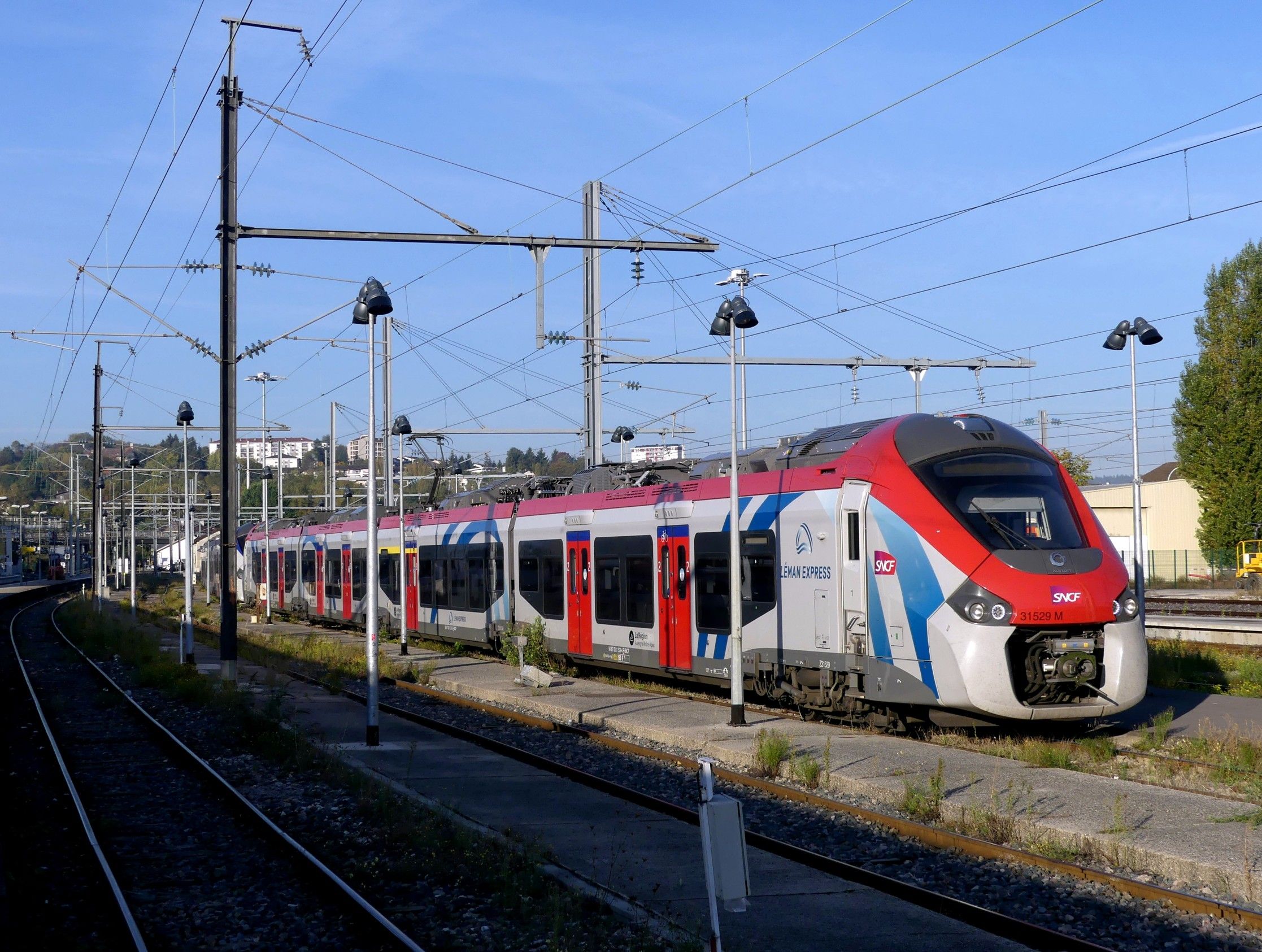
Léman Express train. Photo by Florian Pépellin, CC BY-SA 4.0.
07 December 2024
Interacting with athletes at the Hypomeeting in Austria to inform decisions
At the 2024 edition of Hypomeeting, an annual athletics competition in Götzis, Austria, organisers implemented an autograph wall that asked participants upon arrival to write the transport method they used to reach the event.
The autograph wall allowed participants to learn how their fellow participants reached the event, meaning they could learn how to make a more environmentally friendly transport decision in the future. The wall also provided Hypomeeting organisers with data to help provide appropriate sustainable travel options for future event participants.

04 November 2024
Promoting free event transport to the 10K Brașov in Romania on social media
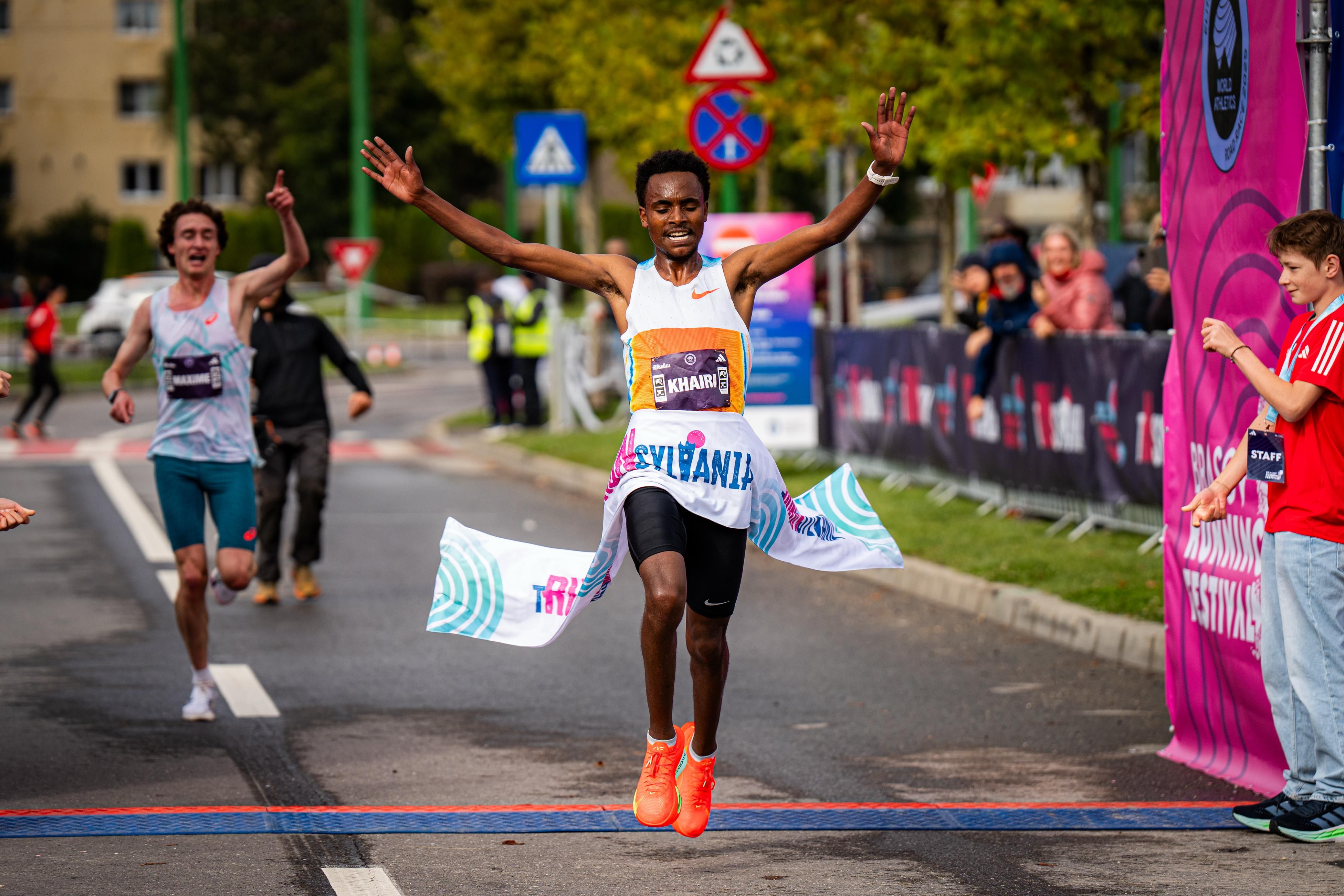
Organisers of the 2024 tRUNsylvania International 10K Brașov partnered with 321 Sport, a Bucharest-based run club, to offer free train travel from the Romanian capital to Brașov Running Festival (BRF).
To claim their free train seat, runners were asked to register for BRF, click a link in @brasovrun’s Instagram bio and fill out a free form, making both running and the event more accessible.
02 August 2024
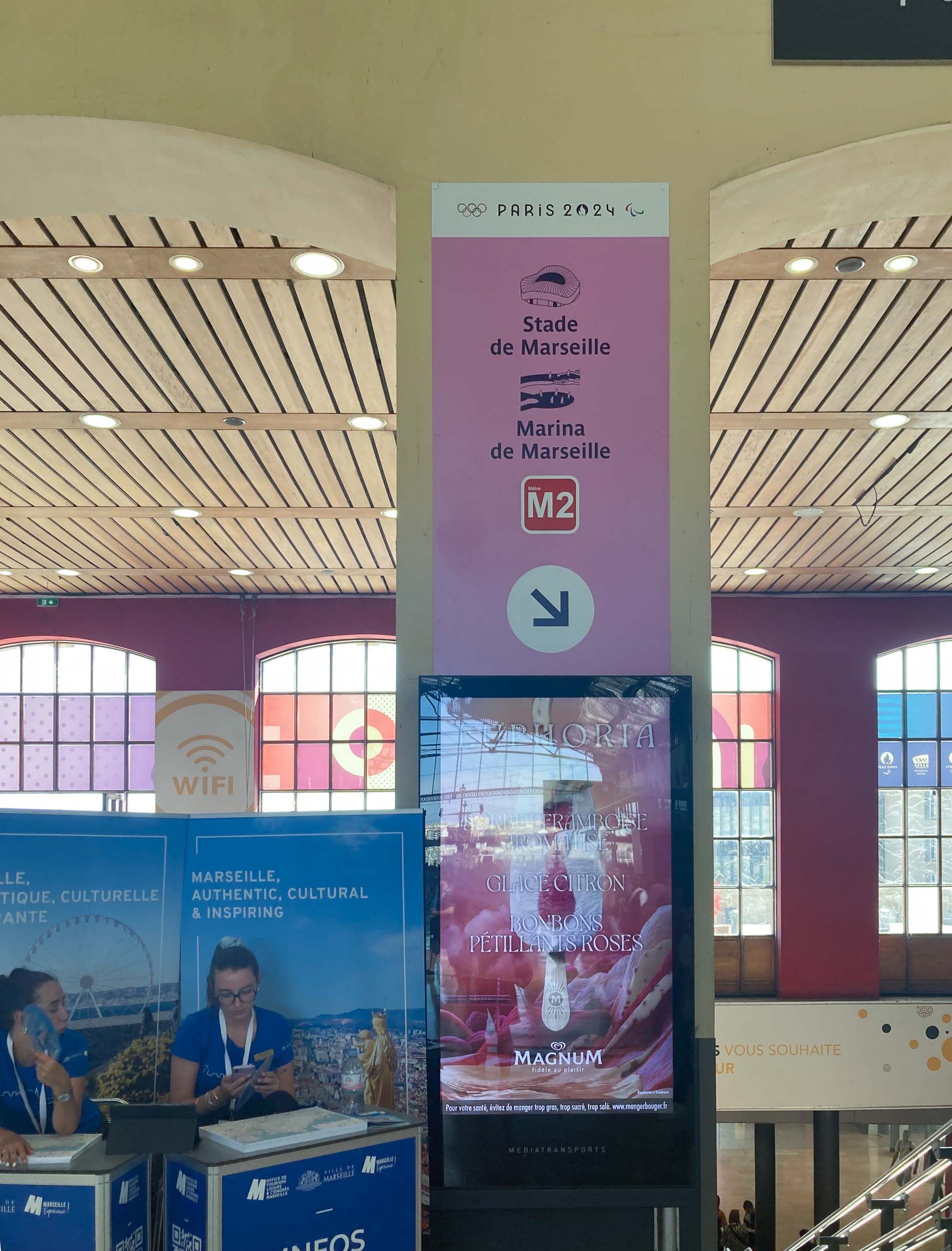
Transportation signage and messaging at Paris 24 venues in Marseille
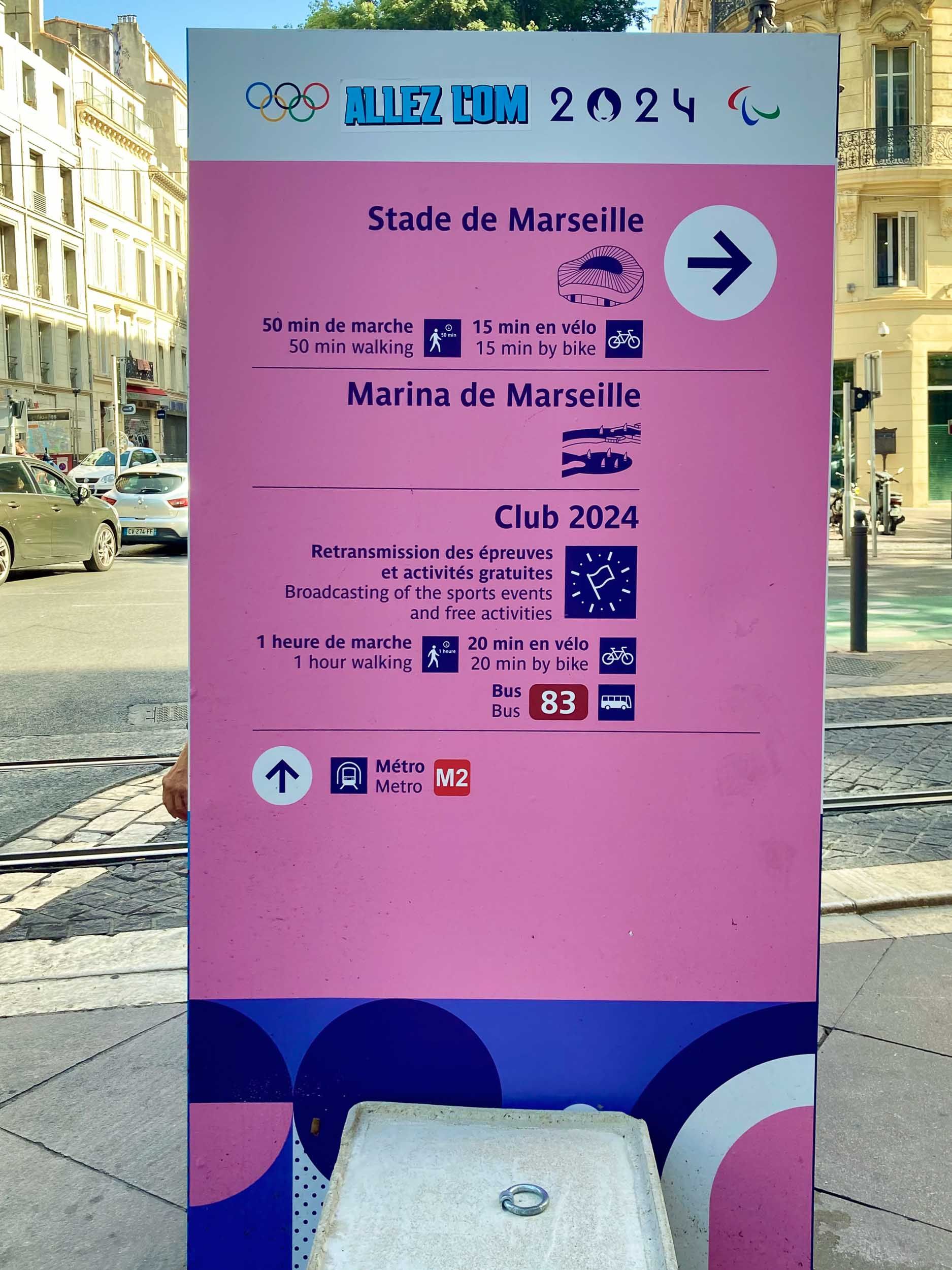
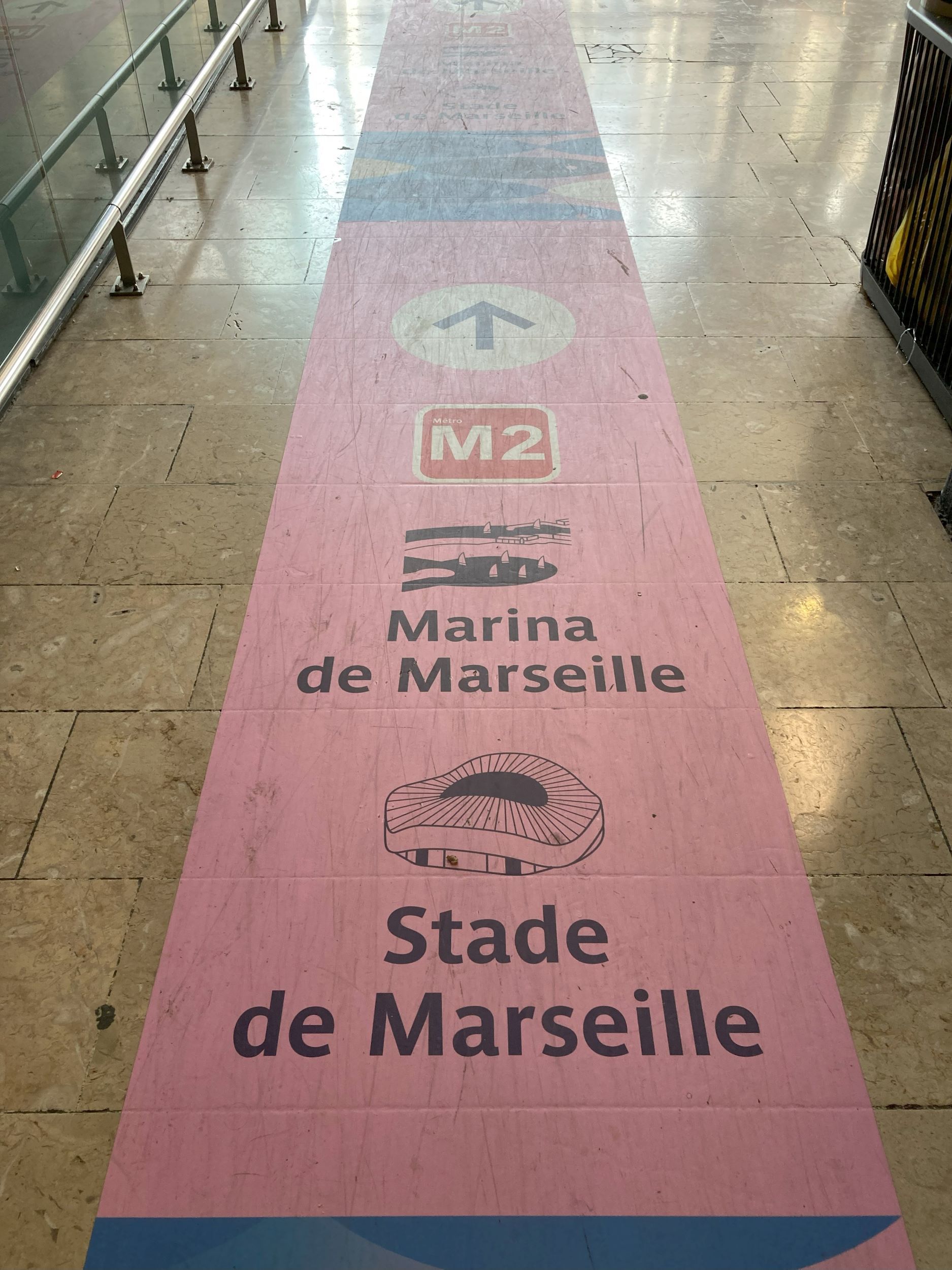
Encouraging spectators to use public transportation was a key delivery element of the Paris 24 Olympic organisers, including at their smaller or satellite venues. Here are a few examples from Marseille, host to the Olympic Sailing competition and several women's and men's football matches.
The first is at a major intersection about a ten minute walk from the main train station, St. Charles, listing several option and an estimate of the time needed to reach the venues - including active options such as bicycling or walking. (Given the 30-35 degree Celsius conditions, I wonder how many walked the roughly 60 minutes.)
The next two are in the station, making it very clear, through very bright and clearly (by now!) identifiable branding.
|
|
|
10 May 2022
Stadtwerke Ratingen Mehrkampf-Meeting - Getting there
Organisers of these popular combined events meeting that took place last weekend in the northwestern German city of Ratingen put a lot of effort into their sustainable transport plan - and the efforts showed.
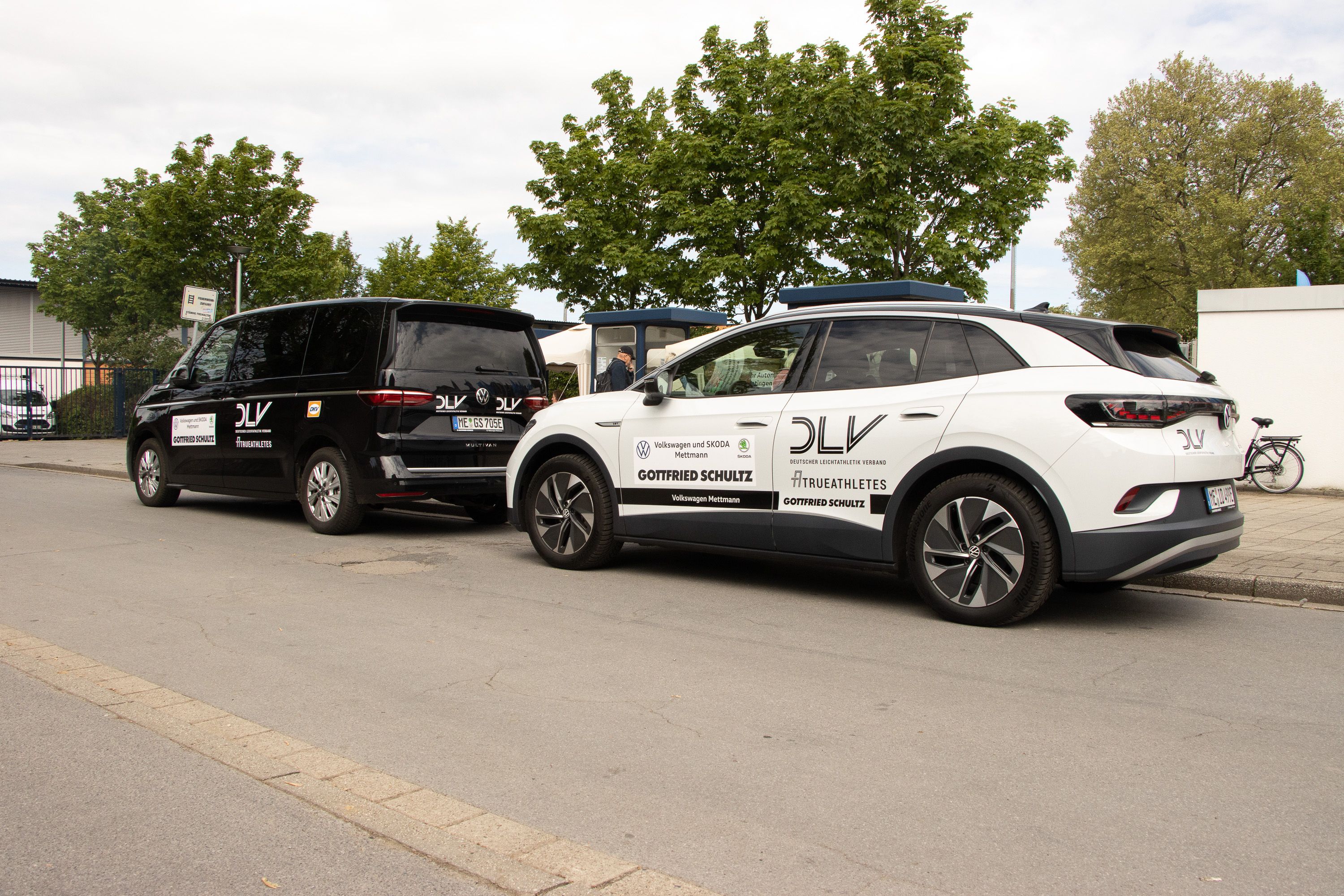
For the first time, the meeting used a fleet of three fully electric vehicles sedans and hybrid vans for all of its immediate transport needs, including shuttling athletes and coaches to and from the stadium, the airport or central train station.
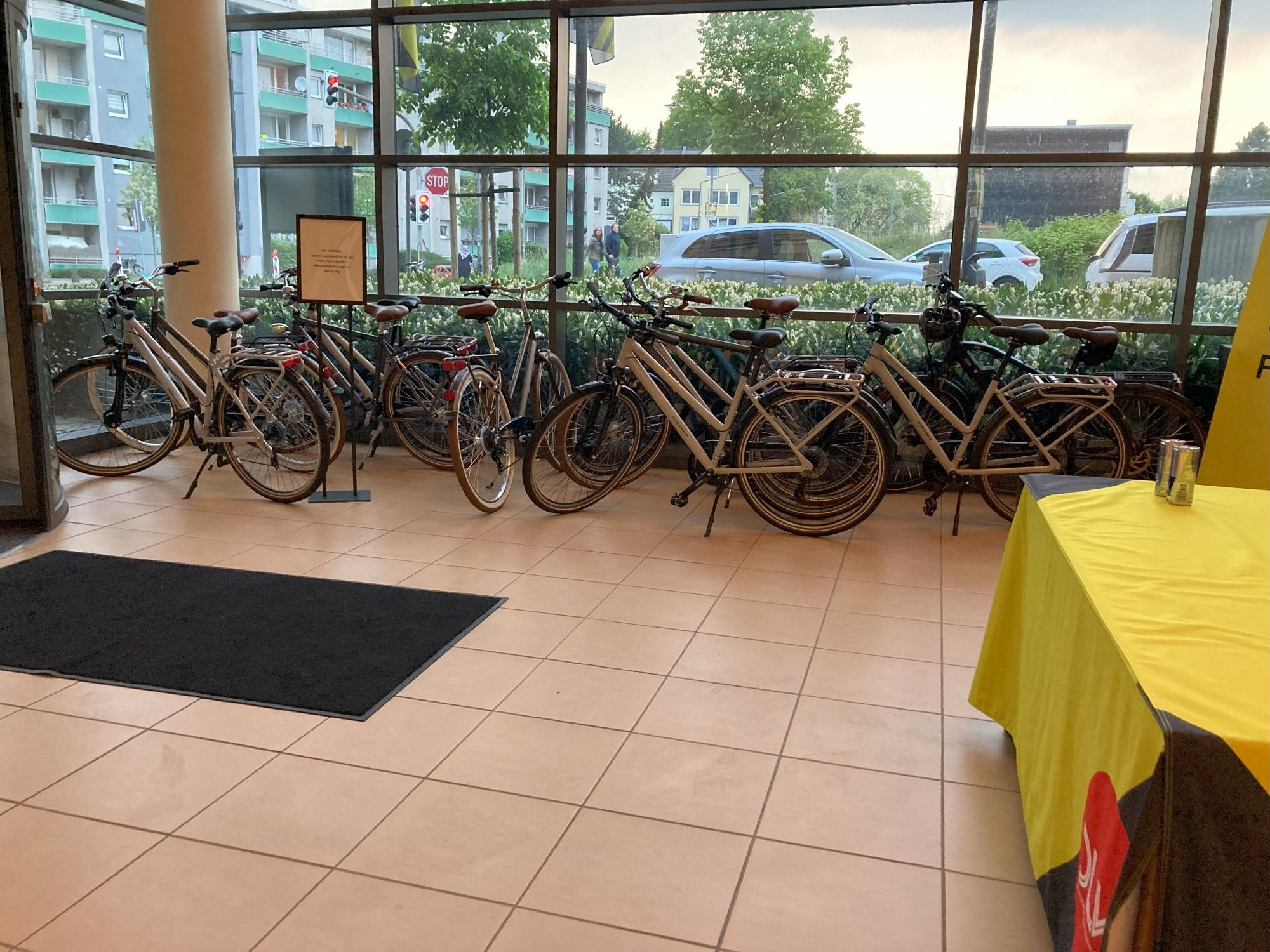
Relaxa, the official hotel, is located less than two kilometres from the stadium – that’s just six minutes by car or bike, or a 22-minute walk. Several athletes selected the latter, presumably to take care of their early morning shake-out on the way to the venue. There was also a stash of bikes in the hotel lobby reserved for event staff to get to and from the stadium.
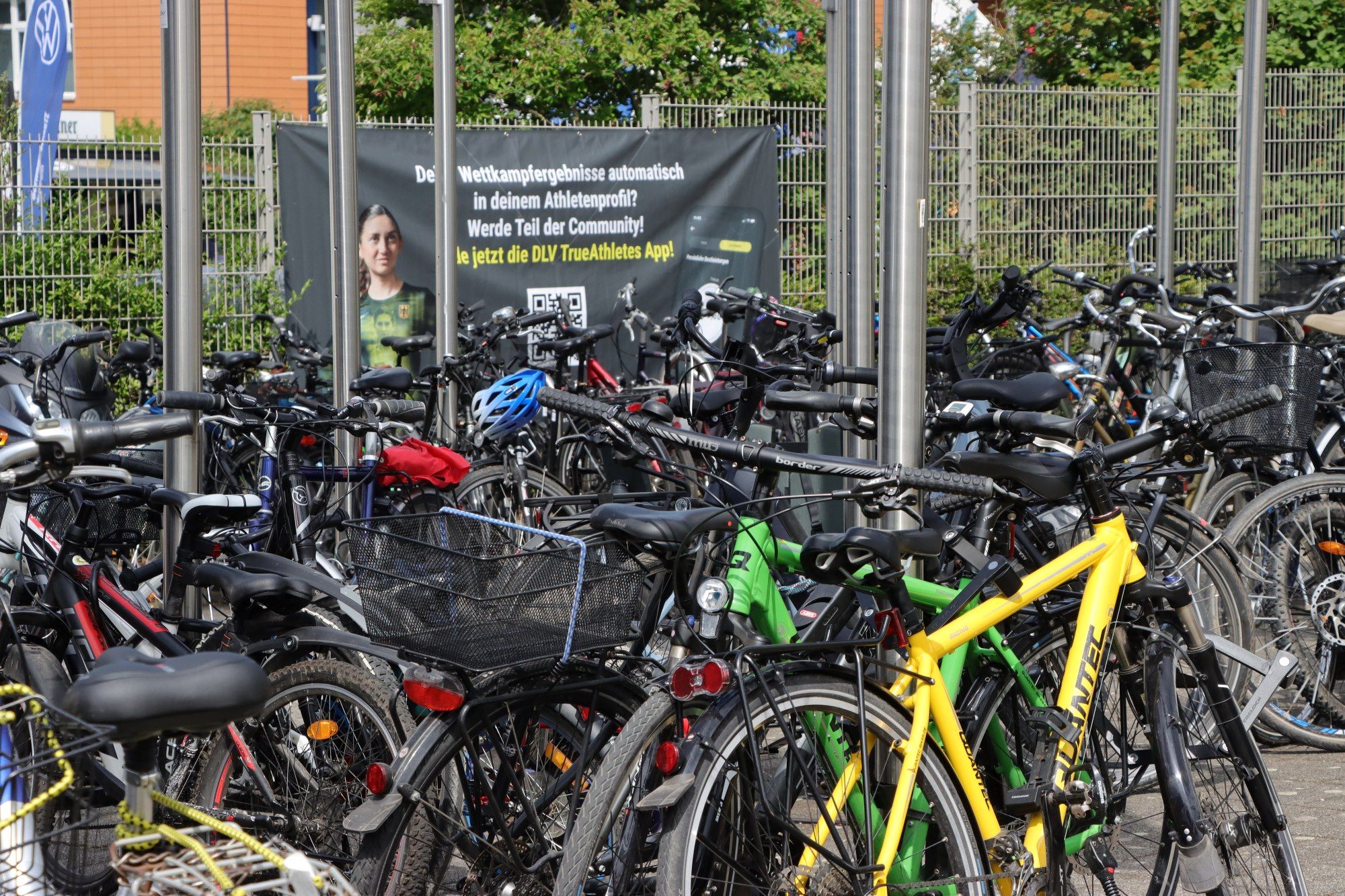
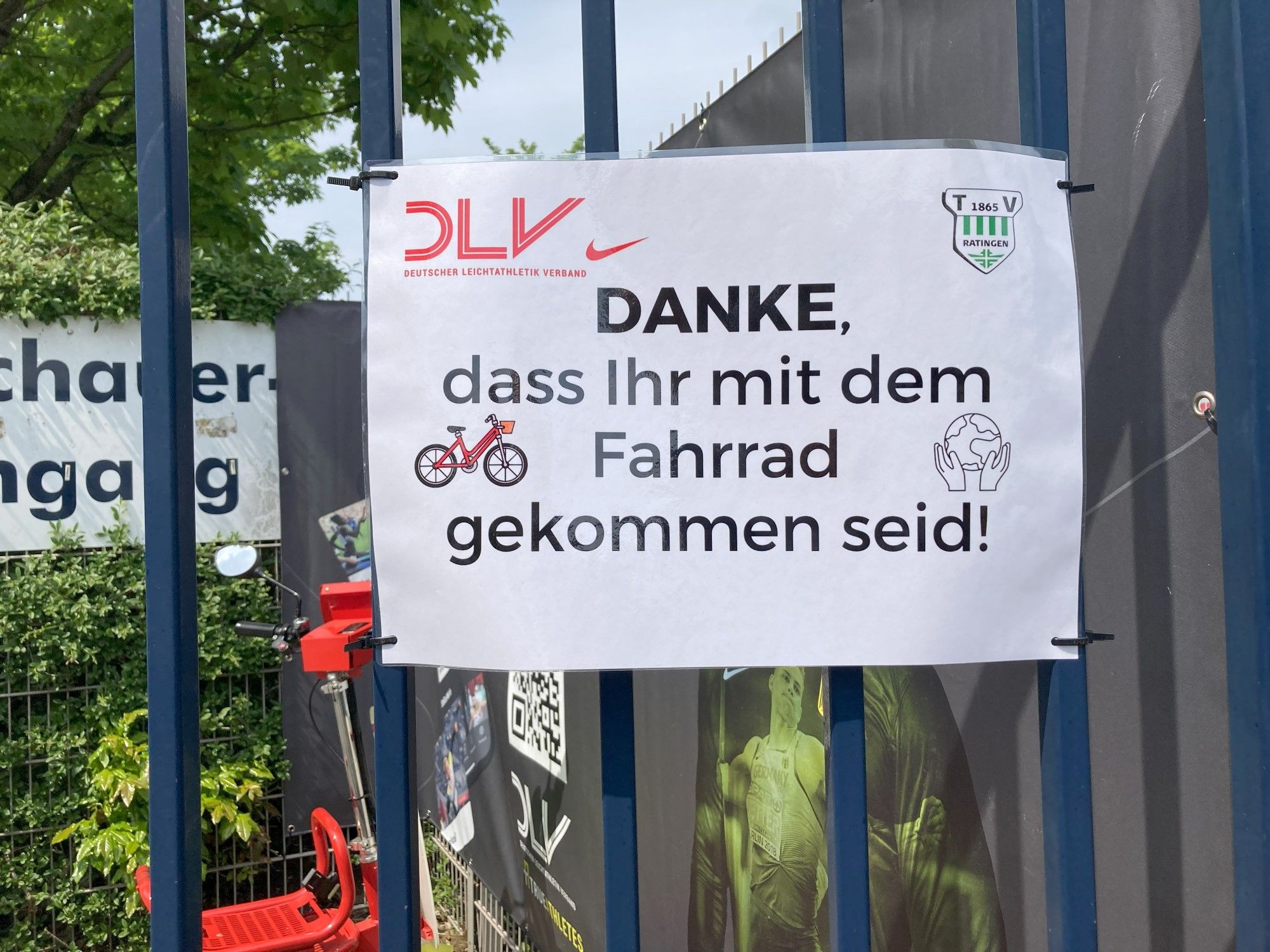
Fans were also encouraged to bike to the event and many did, filling to capacity the stadium’s bicycle parking lots. A tram stop was located just two short blocks away.
A few images and examples below.
|
|
|
|
Travel Planning - Best Practice Guidance
Travel is the second largest contributor of greenhouse gases (GHGs) such as carbon dioxide, globally. It is also a major factor on local air quality in cities and towns. Athletics creates a significant travel carbon footprint e.g., training, competition or meetings/ conferences etc. Whilst travel is fundamental to uniting people through sport, travel-related carbon emissions represent one of the main environmental impacts associated with sport.
Event organisers should endeavour to choose venues with good public transportation links in recognition of this. Visitors to events should be encouraged to help reduce emissions by choosing sustainable modes of transport. A transport list for the offices and all event cities, should be compiled for reference including information links.
Development and implementation of a sustainable travel plan will ensure all event staff and teams are making sustainable travel choices. To ensure delivery of a lowered carbon footprint, travel - a key contributor of greenhouse gases, needs to be well controlled and monitored. Sustainable travel choices will, additionally, help lower the implications to air quality, which city-based events can contribute to. In line with the World Athletics sustainability strategy, a robust travel policy serves to educate and empower event organisers and wider stakeholders to travel, where necessary, more sustainably.
Promotion of the travel hierarchy will not only present the opportunity to showcase lower carbon travel but, in the case of active travel, inspire all our stakeholders to make active choices in everyday living. In a world with increasing obesity in many countries, the simple choices like walking to work or school promotes the active lifestyle needed to get and keep current and future generations fit and healthy.
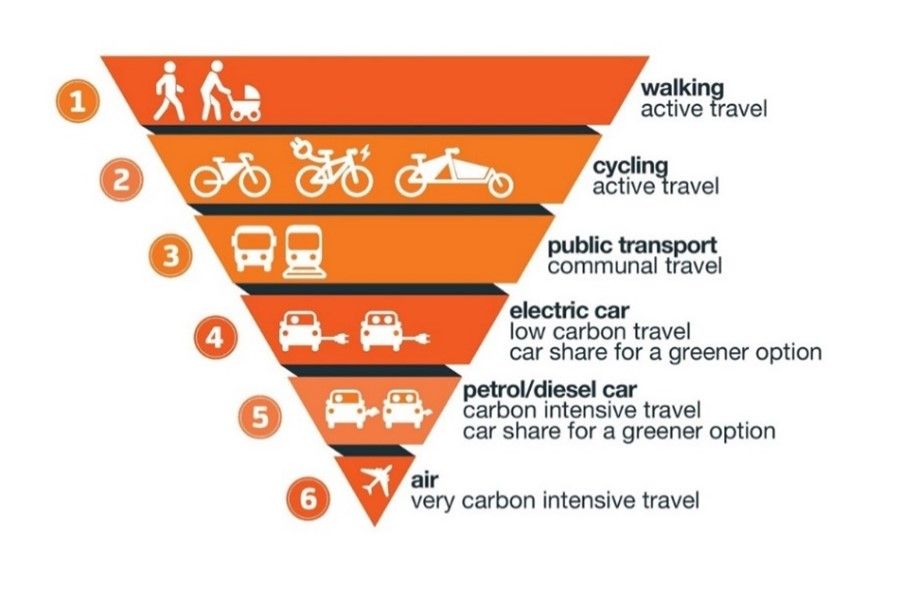
The aim of a sustainable travel policy is to create a clear process/ policy on travel bookings that aims to:
- Make travellers aware of their environmental impact. Travel is a major source of emissions and travellers should understand the impact of their actions and travel patterns;
- reduce the number of people travelling;
- choose the “greenest’ travel option by adhering to the transport hierarchy for decisions on transportation;
- reduce carbon impact of events;
- choose suppliers that, demonstrably, share values;
- preferentially select low carbon options at all stages of travel, including airlines, airports, hotels and transfers;
- facilitate robust carbon reporting for all event travel bookings;
- offset remaining carbon impact of event travel
The following good practice guidance should be followed:
Avoid travel
There is a significant proportion of travel that may actually be avoidable. The use of collaborative communications, training and networking platforms have revolutionised our need to travel for some meetings, workshops, seminars and just in general to an office. However, there will be circumstances where travel is needed for site visits or actual events. In these cases, the travel hierarchy should be implemented.
Active travel
Active travel choices should always be our first choice. As a sporting event promoting healthy living we should ‘walk the walk’ and engage with active travel at every opportunity. Providing visitors with a “walking map” highlighting the time between points of interest and the healthy aspects, calories burned, can be an engaging way to encourage walkers.
Using bikes, or encouraging the use of bike schemes in cities where they are available, should become business as usual.
Public transport
A variety of public transport options are easily accessible and available in all event cities. Public transport should be used wherever possible.
Car Travel
Carpooling/shared travel should always be the first choice if public transport is not practicable. Where cars are provided:
- Lower carbon choices such as hybrids and electric vehicles should be accessed where available.
- In cases where low carbon options are unavailable smaller cars are generally a more efficient choice.
- Driving styles should be efficient in terms of fuel efficiency or emissions. Think maximum distance using finite resources – sufficient tire pressure, stick to the speed limit, avoid un-used roof boxes, guidance can be provided if needed.
Air Travel
Travelling Business Class almost doubles your carbon footprint based on the space that is taken up for a business class seat. Limiting business class flights can significantly decrease the organisation’s travel carbon impact.
Flights under five hours will be considered short haul. Staff and team members should travel in economy for all short haul flights.
For all other flights, economy travel should be the first choice.
Fans and visitors
Promote and communicate sustainable travel options to fans and visitors to the events as well as meetings at the World Athletics offices. You can also identify local or relevant carbon offsetting schemes for your fans and visitors to take responsibility and offset their own travel.
Make this choice easy for them with a simple calculator where they can input the distance travelled, the type of transport used and through a simple emissions calculator the emissions is calculated and then provide a link to offset this through a certified offset scheme.
This best practice is implemented across the event planning cycle as follows:
1. During event planning
- Develop overall travel plan, adhering to the travel hierarchy, for event staff to minimise the carbon impact of event staff travel o Critically evaluate need to travel and use collaborative meeting platforms, video, and other media to avoid unnecessary travel
o Where travel is needed, select carbon efficient travel e.g. economy class flights, public transport from airport etc.
- Promote active travel and public transport links to stakeholders, including fans & visitors, athletes, partners through relevant communications platforms and communicate all options/ timetables to stakeholders
- Identify and communicate a carbon offset programme (relevant to the event, where possible) o Lead by example, offsetting carbon impact o communicate to all stakeholders, encouraging them to offset their travel related carbon impact
- Work with local government and operators to ensure sufficient public transport provision
- Use ticketing process to communicate to fans/ spectators and capture travel data and information at point of ticket sale
2. During event delivery
- Provide opportunities to encourage public transport provision e.g., free coffee with bus/ train ticket
- Collect other types of travel data from transport providers (ensure included in original procurement agreements), car parks and cycle parks
- Conduct visitor surveys to determine travel options and distances to evaluate carbon impact, reasons for travel choices and effectiveness of communication plan
3. Event wash up and review
- Review data collected to evaluate success of plan. For example: o Number of people on public transport
- o Number of cars on site
- o Number utilising bike storage provision
- o Total visitors to event
- o Engage ticketing, communications as well as transport providers in post event review meeting and report
- Identify areas for improvement
Additional Resources
World Athletics Sustainable Event Best Practice Guidance
[Sustainability Leadership] [Developing Your Sustainability Plan] [Sustainable Procurement] [Waste Management] [Energy Management] [Food Management] [Water Management] [Travel Planning] [Accommodation] [Carbon Neutrality] [Air Quality] [Diversity, Accessibility and Inclusion] [Health Safety Wellbeing] [Monitoring and Reporting] [Communications]