

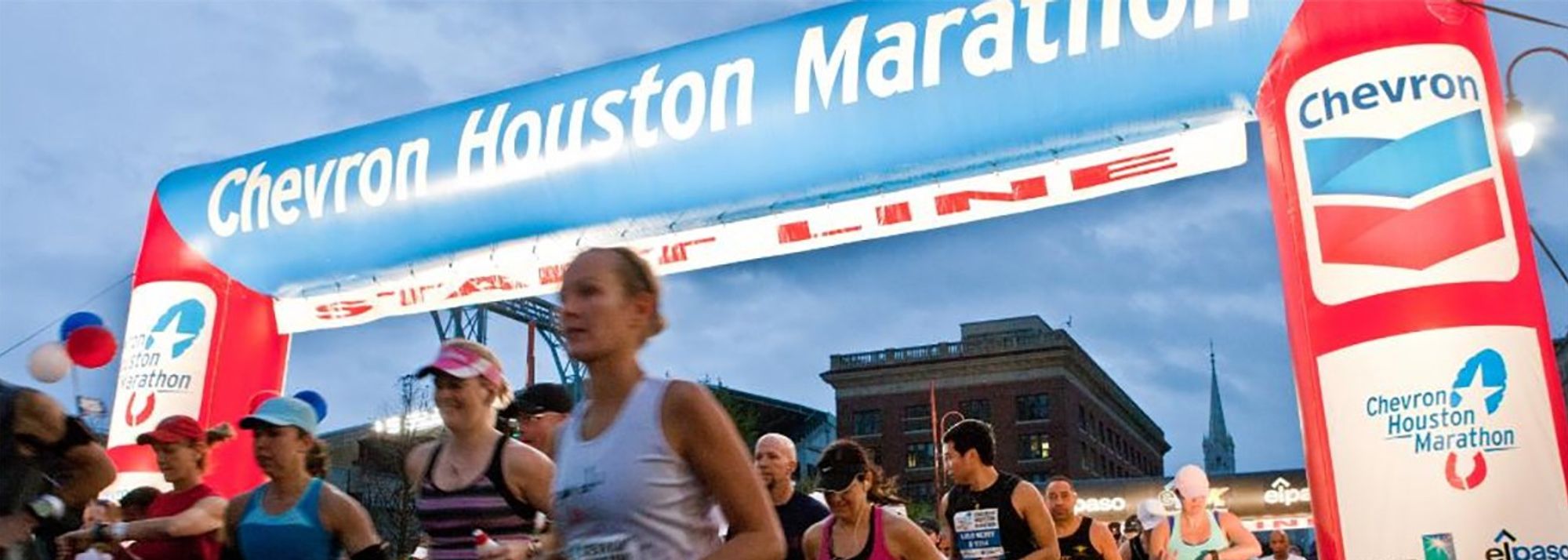


Houston Marathon Finish Line
Dr. Thestrup Lars, Medical Director of the Houston Marathon, shares insights on the medical operations of his race:
"Serving as the Medical Director for the Houston Marathon has been an extraordinary journey filled with challenges, innovation, and valuable partnerships. One of the most difficult moments at the beginning of my tenure was in early 2021 when we were forced to cancel the race due to the onset of the COVID-19 pandemic. It was a heartbreaking decision, but safety had to come first for the runners, volunteers, and staff. The following year brought another challenge: recruiting enough volunteers. The lingering fears from the pandemic made it tough, but with persistence and careful planning, we got the support we needed.
As we navigated these hurdles, I had the opportunity to implement new medical strategies to improve race-day operations. One key advancement was the introduction of tarp-assisted cooling with oscillation (TACO) at our field aid stations. This method helps regulate runners’ body temperatures more efficiently in extreme heat, significantly reducing the risk of exercise-induced heat exhaustion. We now offer TACO cooling at all on-course medical aid stations—18 locations in total—plus additional capacity at the finish line. The TACO method is also endorsed and taught by the World Academy for Endurance Medicine.
Another major milestone was the implementation of ECMO (extracorporeal membrane oxygenation) at the finish line, in collaboration with Memorial Hermann Hospital. Our local hospital partner invested in a mobile ECMO unit, one of only a handful in operation across the United States today. This life-saving technology provides critical support for athletes experiencing severe cardiovascular emergencies, ensuring they receive immediate, state-of-the-art care.
Preparing for the race is a year-round effort, requiring close collaboration with city partners to conduct tabletop exercises simulating various emergency scenarios, including security threats, heat-related medical incidents, and mass casualty events. These exercises help ensure our team is prepared for any situation on race day, especially given the unpredictable nature of large-scale events.
I also had the opportunity to attend the World Athletics Race Emergency Medicine Course, where I earned certification as a Race Medical Director. This course was invaluable in strengthening my understanding of medical emergencies in endurance sports. It provided a solid foundation for handling heat-related incidents, preparing for unexpected crises, and ensuring proper medical staffing, particularly at aid stations. It also allowed me to connect with and learn from other Race Medical Directors around the world.
All of these experiences - learning, adapting, and innovating - have shaped my approach to medical management at the Houston Marathon, with the ultimate goal of keeping all participants safe. The journey has had its challenges, but working with our incredible volunteer medical team has been deeply rewarding. I look forward to continuing to evolve and improve our medical strategies for future events."
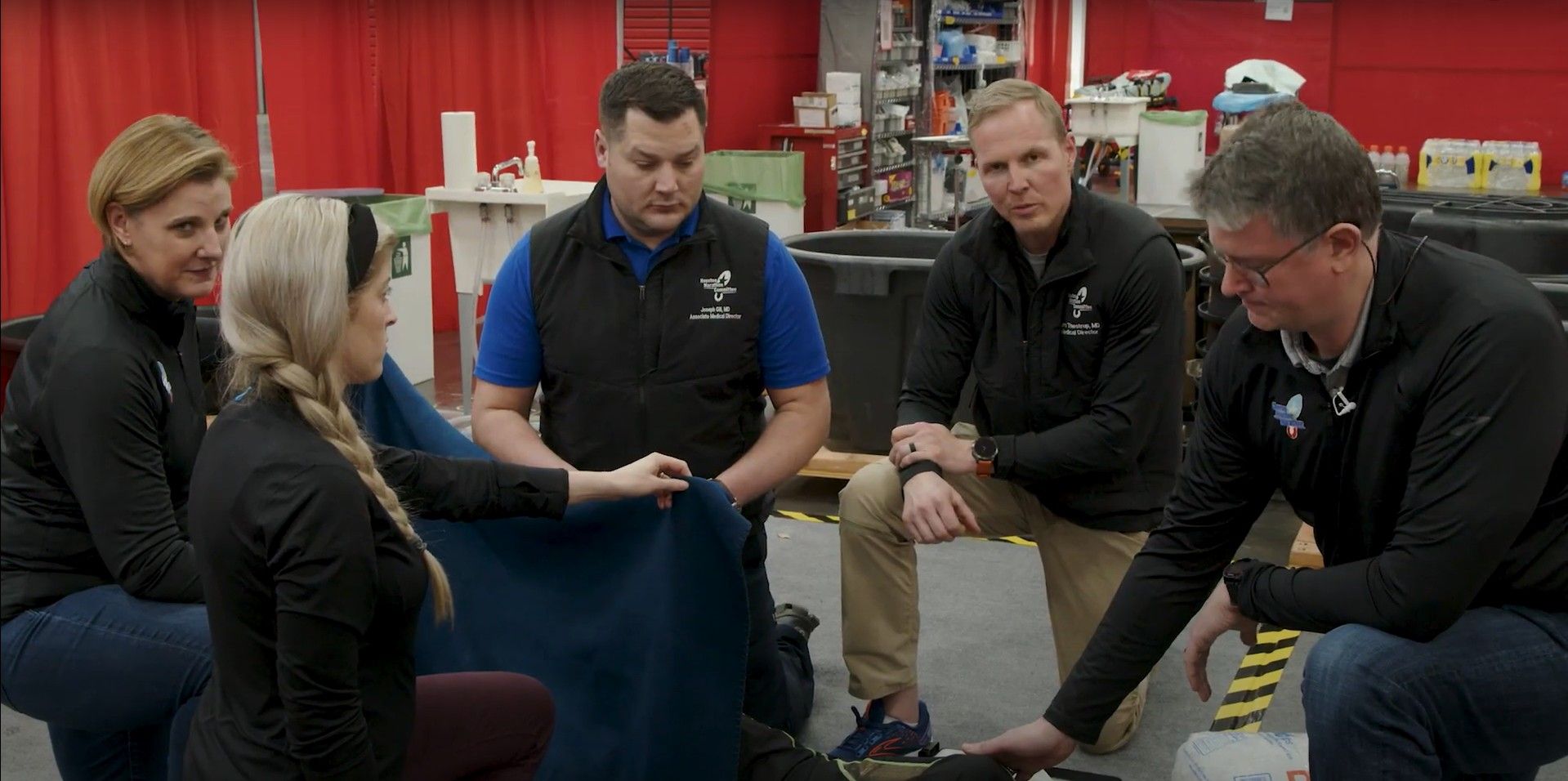
Lars Thestrup