World Athletics Partner
World Athletics Partner
World Athletics Partner
World Athletics Media Partner
World Athletics Supporter
World Athletics Supplier
World Athletics Supplier
World Athletics Supplier



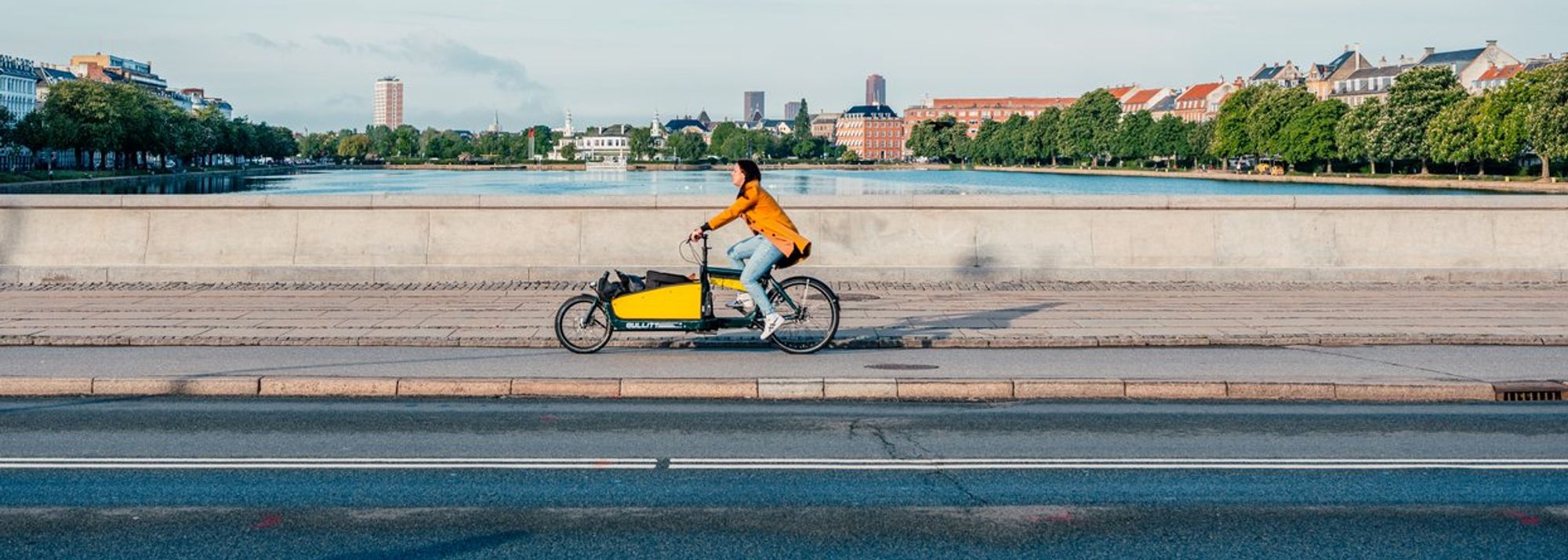
To deliver lasting positive impact
When the world's fastest runners arrive in Copenhagen for the World Athletics Road Running Championships in September 2026, it will be about far more than medals. The organisers are launching concrete initiatives to minimise the event's climate footprint while creating long-term health benefits for vulnerable groups across Denmark.
Behind the scenes, organisers are systematically integrating social responsibility to improve workflows, procurement, and processes – not only for these championships but for major events in the future. While elite athletes race through Copenhagen's streets followed by 60,000 participants, both the runners and the more than 100,000 spectators are expected to play an active role in the event's sustainability efforts.
This includes sorting waste responsibly, choosing environmentally friendly transport options, and opting for climate-conscious food. At the same time, the event will act as a catalyst for engaging children, young people, and individuals living with illnesses across the country – all with the aim of creating lasting benefits for public health.
All sustainability efforts are brought together under the slogan:
Do less. Do greener. Do it together.
"It may sound simple to ask people to sort their waste or take the bus, but as a leading green city, Copenhagen has a responsibility – especially when we welcome the world. We cannot take over the city and its public spaces without taking responsibility for the footprint we leave behind. That is why I am proud that we are hosting a World Championships that addresses climate impact while strengthening our sports communities. It sets an important new direction for the future of tourism and events – and Copenhagen is leading the way."
Christopher Røhl
Mayor of Culture and Leisure, City of Copenhagen
A clear and measurable goal
A key ambition, in collaboration with World Athletics, is to achieve gold certification under the federation's sustainability framework, the Athletics for a Better World Standard. To reach this level, organisers must collect data and demonstrate action across 55 action areas, covering climate end environmental impact, social responsibility, and governance. This objective is also central to the event's partners:
Gold certification
Athletics for a Better World Standard
55 action areas
Climate end environmental impact, social responsibility, and governance
A clear and measurable goal
Collect data and demonstrate action
"When Denmark hosts major international sporting events, it comes with a responsibility to do so in a more sustainable way. That is why at Sport Event Denmark, we have introduced minimum green requirements for event organisers. It is about concrete actions – from renewable energy and reducing food waste to circular solutions and better use of public transport. Together with organisers such as Sparta, we demonstrate that major sporting events bring people together while also setting the direction for a more sustainable future."
Lars Lundov
CEO, Sport Event Denmark
"International events bring locals and visitors together around shared experiences making them stronger catalysts for changing behaviour and creating long-term positive impact both locally and internationally. Ensuring such a lasting legacy from events is something we work on strategically across Copenhagen's tourism sector, and we are therefore very pleased to be part of the ambitions connected to the World Athletics Road Running Championships."
Kit Lykketoft
Director of Congresses, Events & Sustainability

Five key focus areas
Five key focus areas have been defined:
Consistent behavioural nudging to encourage responsible choices
Integration of greener requirements in partner and supplier agreements
Prioritisation of public transport for participants and spectators
Social initiatives targeting different demographics
Continued responsible event delivery to set new standards for the future
Responsible EXPO – together for WRRC 2026
We encourage all exhibitors to incorporate responsible choices into their participation – both through initiatives at their own stand and through the practical decisions made before and during the EXPO.
From minimising packaging and unnecessary materials to reducing the use of single-use products, sorting waste correctly and prioritising digital solutions over unnecessary printing, exhibitors can help make the EXPO more responsible.
Read the guidelines for practical ways to deliver a more responsible event and a more climate-conscious EXPO.
Small steps, big impact
While the ambitions are concrete, the approach is deliberately pragmatic and impact-driven. Rather than grand gestures, organisers are focused on steady, measurable progress – taking many small steps in the right direction, collecting data, and using insights to drive long-term improvements.
"The World Championships provide a unique international platform that allows us to elevate our social responsibility efforts to a new level. The requirements we introduce and the experience we gain here will create lasting effects that extend far beyond the event itself, directly influencing how we organise future major events."
Dorte Vibjerg
CEO of Sparta Athletics & Running
"We believe that an 'every action counts' approach will take us far. Rather than promoting one overly ambitious goal, we are setting measurable targets across a wide range of areas where we, as organisers, can genuinely make a difference. Together, these cumulative efforts can create a positive impact and deliver meaningful results in the long term."
Nynne Ammundsen
Head of Sustainability, Sparta Athletics & Running
With these ambitions, the organisers send a clear message: the 2026 World Road Running Championships will not only be a world-class sporting celebration, but also a firm step towards a more responsible future for international sporting events.
Make a difference with us


Facts about WRRC Copenhagen 26
- Takes place on 19-20 September 2026 in Copenhagen
- Events: half marathon, 5km, and one mile (1,609 km)
- Official name: World Athletics Road Running Championships Copenhagen 26
- Open to both elite athletes and mass participation runners
- 5km and one mile: Saturday, 19 September 2026
- Half marathon: Sunday, 20 September 2026 (entries sold out via lottery last year)
- 5km and one mile entries available via the official website
- Follow @wrrccopenhagen26 on Facebook and Instagram
- Hosted by Danish Athletics Federation and Sparta Athletics & Running for World Athletics, in collaboration with the City of Copenhagen, Sport Event Denmark, and Wonderful Copenhagen