
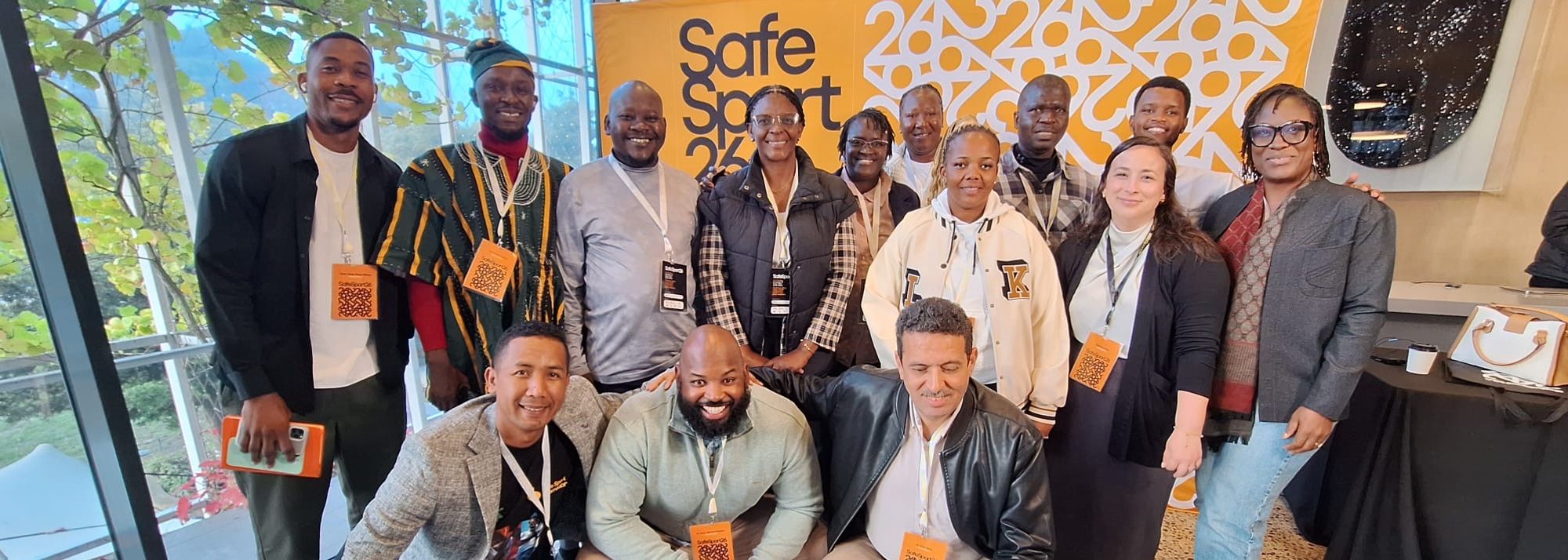


The Safe Sport Global Conference in Cape Town (© World Athletics)
World Athletics and World Rugby joined forces to share expertise and foster collaboration as part of the Safe Sport Global Conference at the University of Cape Town, South Africa, on 25-27 May.
The conference, which opened on Africa Day, brought together more than 400 delegates from various safeguarding organisations across the world. The collaboration between World Athletics and World Rugby saw the two international federations support the participation of several delegates from their respective African member federations as they shared knowledge and created links across the continent.
The programme for the three-day Safe Sport Global Conference, hosted by Safe Sport International, was designed to explore how safeguarding commitments translate into systems, leadership decisions and everyday practice across sport. Workshops and keynote presentations took place alongside research sessions, policy discussions and stakeholder dialogues.
Each day had a specific theme – day one centred on emerging research, knowledge exchange and dialogue between researchers, practitioners and policymakers; day two explored safeguarding leadership, policy development and collaboration across African sport systems; and day three focused on strengthening international cooperation and identifying shared priorities for advancing safeguarding worldwide.
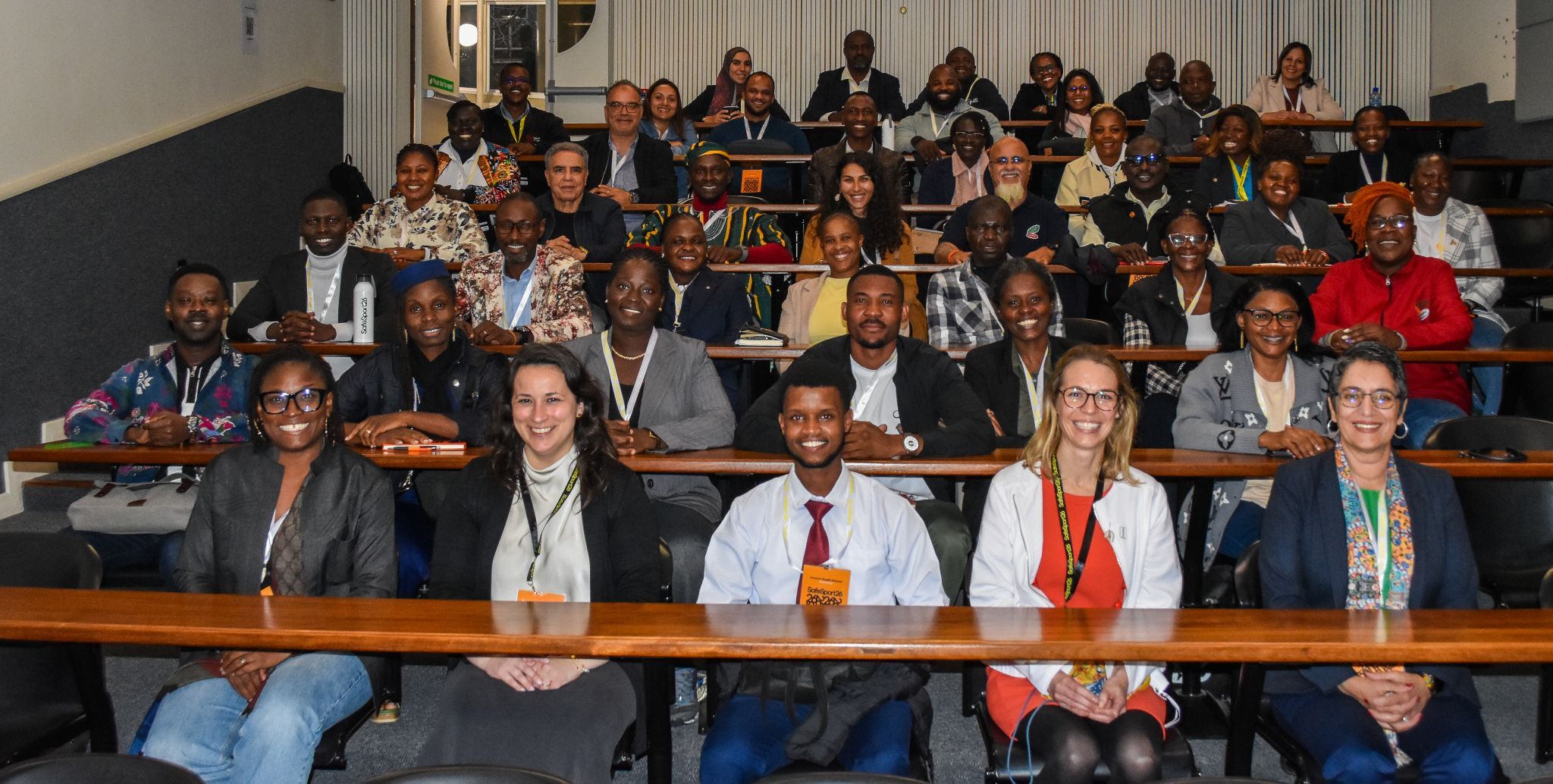
World Athletics and World Rugby joint session at the Safe Sport Global Conference in Cape Town (© World Athletics)
Attendees from World Athletics and the Athletics Integrity Unit (AIU) included Senior Counsel Catherine Pitre, AIU Investigator and Analyst in Investigations & Intelligence Hayley Gibbons, and AIU Deputy Head of Investigations Kyle Barber.
They shared their expertise during several sessions, including as part of panel discussions on ‘Building a Continental Safeguarding Network’ and ‘Trauma-informed Case Management’. They also delivered a session alongside Swiss Sports Integrity: ‘Two Sides of the Same Coin? Integrity and Safeguarding Approaches’.
Alongside the conference, the opportunity was taken to bring together 15 safeguarding leads from World Athletics member federations in Africa, enabling them to build and enhance knowledge networks within the region, and discuss successes and challenges in implementing safeguarding at national level. In partnership with World Rugby, World Athletics delegates were paired with rugby safeguarding leads in the same regions to foster collaboration and share ideas.
“The Safe Sport Global Conference showed growing global commitment to athlete safety,” said National Athletics Association of Zimbabwe safeguarding officer Tawanda Mutero. “It emphasised listening to athletes and putting them first. Collaboration was highlighted as key to making sport safer for everyone.”
Athletics Namibia safeguarding officer Victoria Tilovanhu Katukula said: “The Safe Sport Conference provided a valuable opportunity for networking with professionals committed to creating safer sporting environments. I gained deeper knowledge on safeguarding practices and learned practical examples of how safeguarding policies can be effectively implemented within sports organisations. My takeaway is that safeguarding is everyone’s responsibility and it is not done overnight.”
Key messages from the conference included reinforcing the pivotal concept of safeguarding being everyone’s responsibility, the need for greater global harmonisation in safeguarding regulation and implementation, and best practice for ensuring that the athlete voice is heard.
The conference concluded with a call to carry the Safe Sport legacy forward, ensuring that the progress made continues to inspire meaningful change worldwide.