



Runners in action (© World Athletics  Dan Vernon)
The co-ingestion of sodium bicarbonate and carbohydrate could help athletes sustain high-intensity efforts later in a race while fatigued, according to a new study conducted by Bernardo R. Norte at the Research Institute for Sport and Exercise Sciences (RISES), Liverpool John Moores University, in collaboration with the World Athletics Health and Science Department.
In sport, the smallest detail can make the difference between victory and defeat. Winning a race can depend on the ability to deliver another intense effort when the body is already exhausted. With this in mind, the research led by Norte, a PhD student in exercise metabolism & nutrition, examined a novel energy gel combining sodium bicarbonate and carbohydrate during three hours of moderate-intensity exercise, followed by a series of high-intensity efforts, to assess performance in a fatigued state. It found that compared with carbohydrate ingestion alone, adding sodium bicarbonate improved performance after prolonged exercise and induced only mild gastrointestinal discomfort.
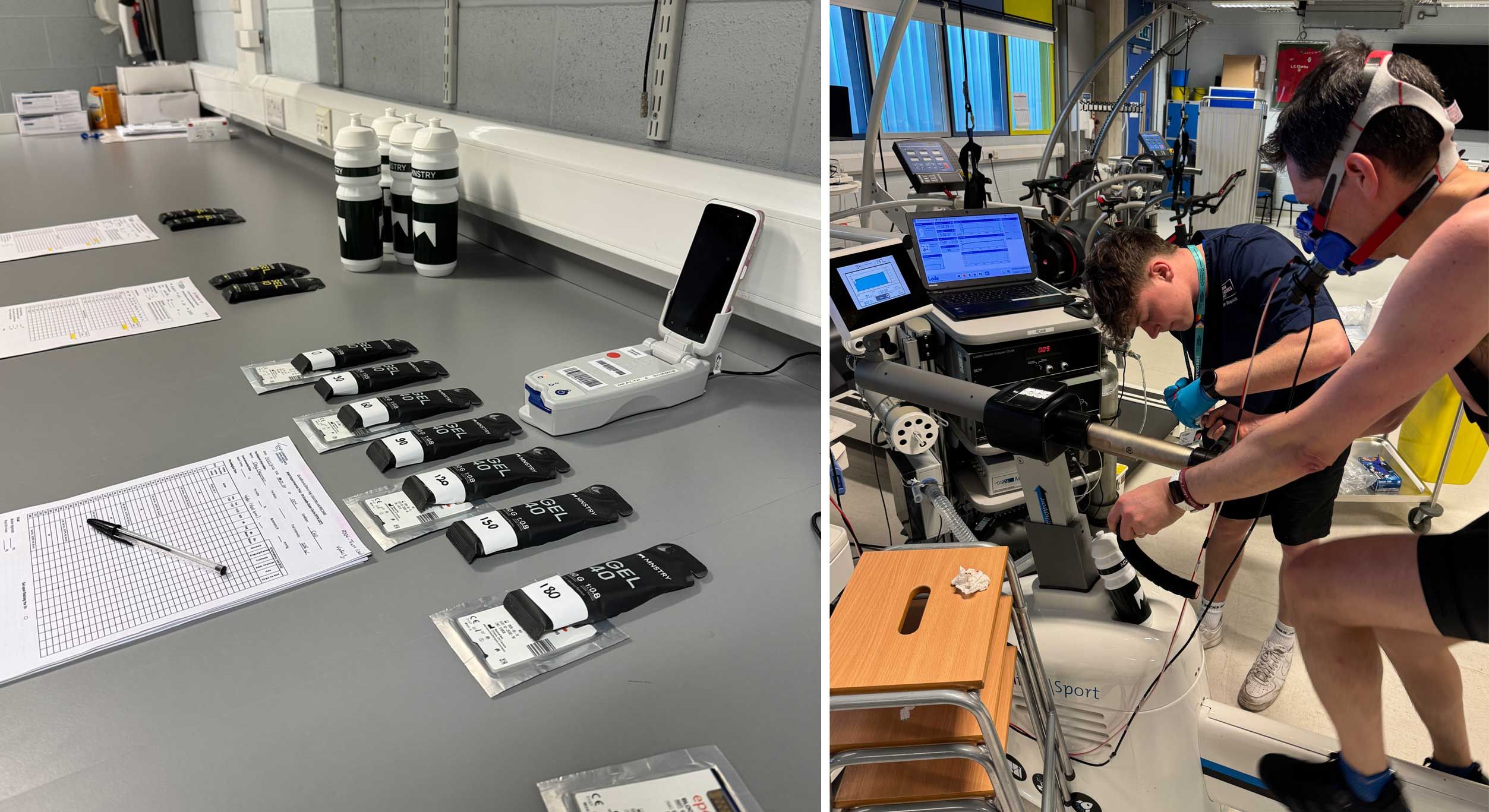
Research at the Research Institute for Sport and Exercise Sciences (RISES), Liverpool John Moores University
“A central finding of this study is that this new energy gel format may offer endurance athletes a practical nutritional strategy to achieve blood alkalosis and improve performance,” said Dr. Julien B. Louis, Reader in Nutrition and Exercise Physiology and the supervisor of the project.
Indeed, high-intensity exercise can temporarily cause metabolic acidosis, characterised by increased hydrogen-ion concentration and a reduction in blood pH. Fingertip blood samples were collected and analysed at regular intervals using a blood gas analyser (EPOC, Siemens Healthineers, Erlangen, Germany). The results indicated that sodium bicarbonate ingestion during exercise helped limit acidosis thanks to its buffering capacity.
These findings suggest that the ergogenic potential of sodium bicarbonate may extend beyond isolated high-intensity exercise performed in a rested state and offer practical guidance for coaches and athletes, supporting more informed decision-making in both training and competition.
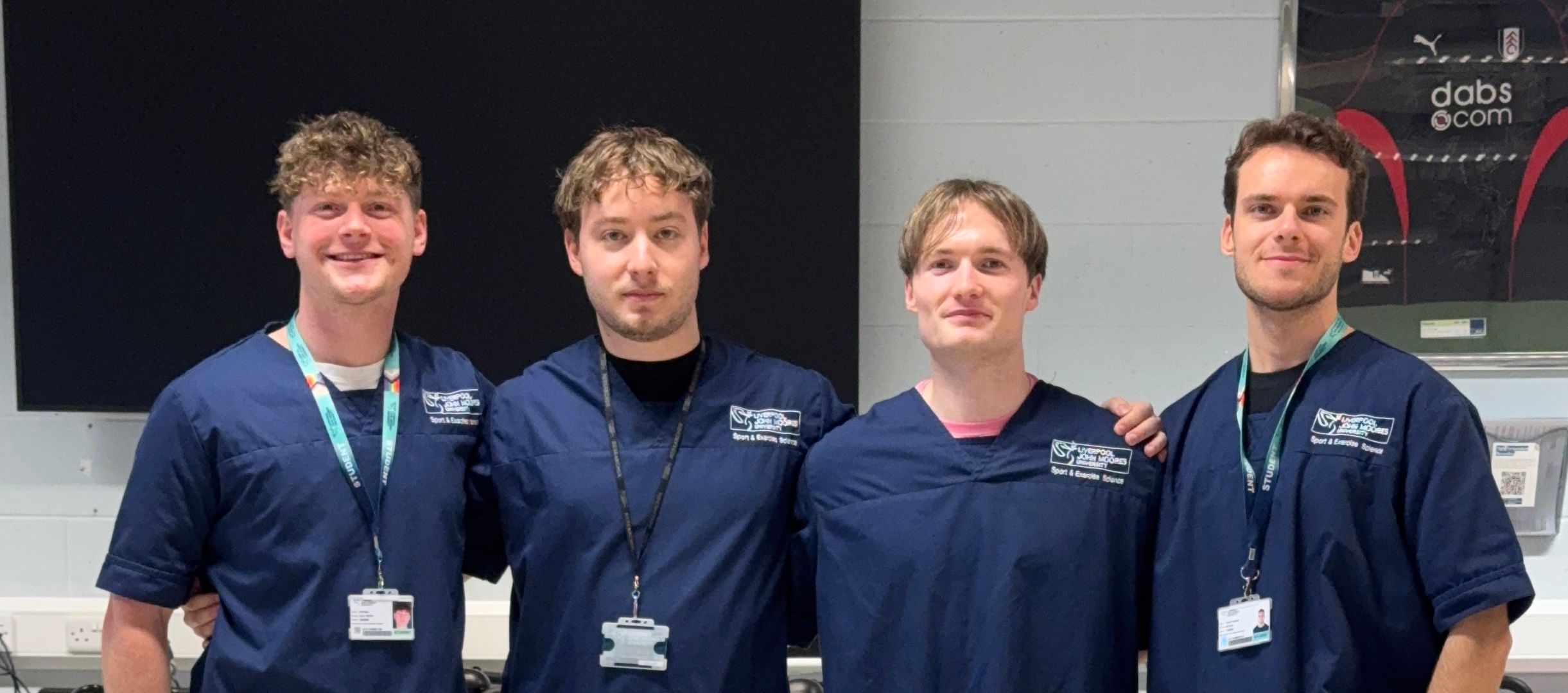
Researchers from the Research Institute for Sport and Exercise Sciences (RISES), Liverpool John Moores University
The full article is available for download from the Health & Science section of the World Athletics Library, under ‘nutrition in athletics’.