World Athletics Partner
World Athletics Partner
World Athletics Partner
World Athletics Partner
World Athletics Media Partner
World Athletics Supporter
World Athletics Supplier
World Athletics Supplier
World Athletics Supplier
World Athletics Supplier



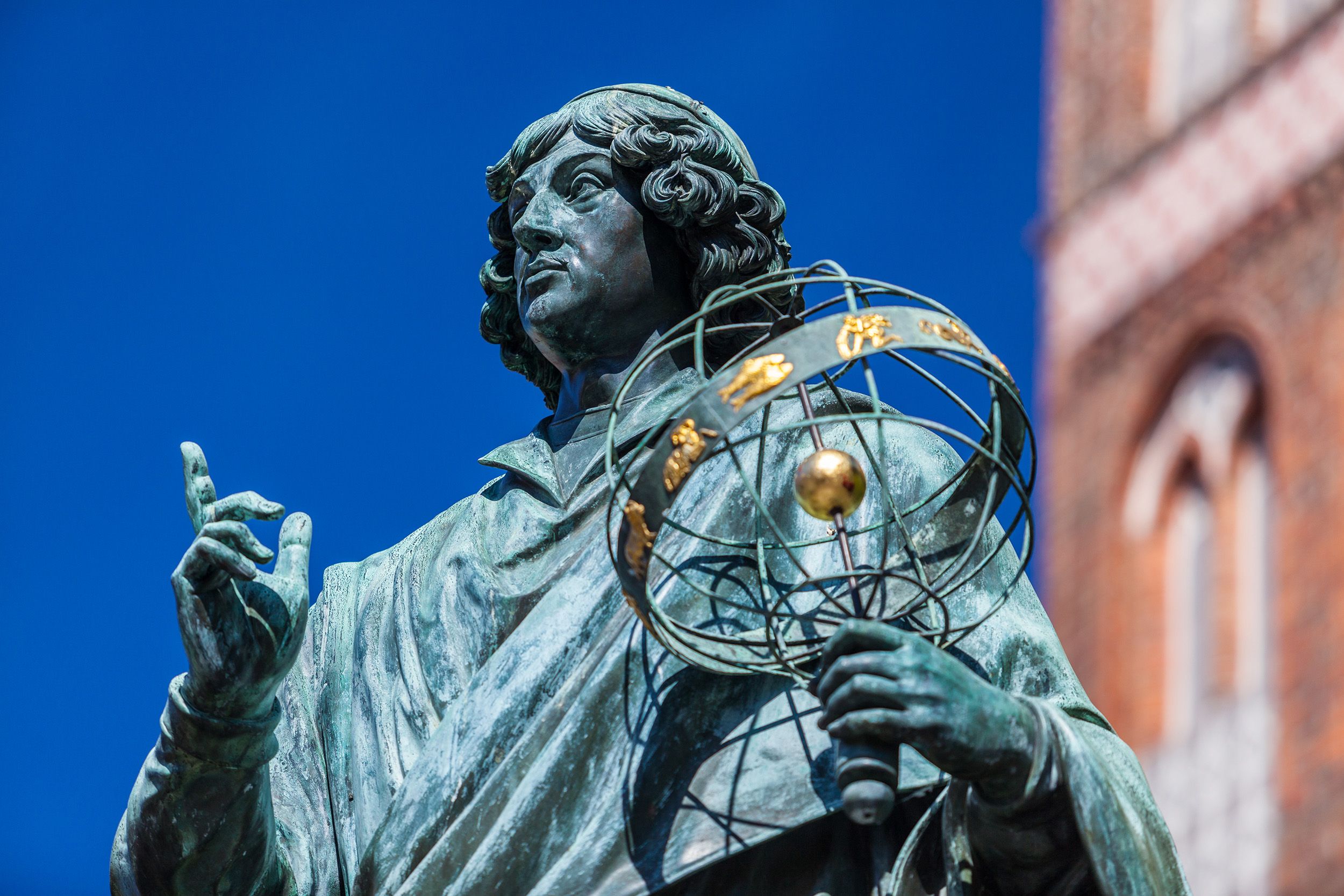
The Gothic streets of the city spark the imagination and take us back in time. The awareness that it was here, in Toruń, that the astronomer who “stopped the Sun and moved the Earth” was born and raised commands respect and encourages you to explore the history of this Hanseatic town. The centuries-old tradition of crafting spiced delicacies and the legends surrounding them make you want to return, wander through its charming corners, and discover Toruń’s secrets.

The famous Toruń gingerbread is more than just an aromatic spiced treat. It is one of the symbols of the former Hanseatic city and an important part of its history. You will understand how important at the Living Museum of Gingerbread and the Toruń Gingerbread Museum. The recipe for this local specialty is shrouded in even greater mystery than the discoveries of the famous astronomer. You can learn about the life and achievements of the great scholar at the Nicolaus Copernicus House. The exhibition tells a fascinating story not only about Copernicus himself, but also about the cosmos, the development of science, the pursuit of knowledge, geographical discoveries, and great breakthroughs.
Located in the very heart of the Old Town, the Old Town Hall is one of the largest and most beautiful buildings of its kind in Europe. It is a symbol of the Gothic Old Town Complex, inscribed on the UNESCO World Heritage List in 1997. For centuries, it served as the city’s commercial and administrative center. The court and city council were based here. It hosted rulers – Grand Masters of the Teutonic Order and Kings of Poland. Today it houses the main seat of the District Museum. Climb the Town Hall tower to admire the city of Copernicus from above.
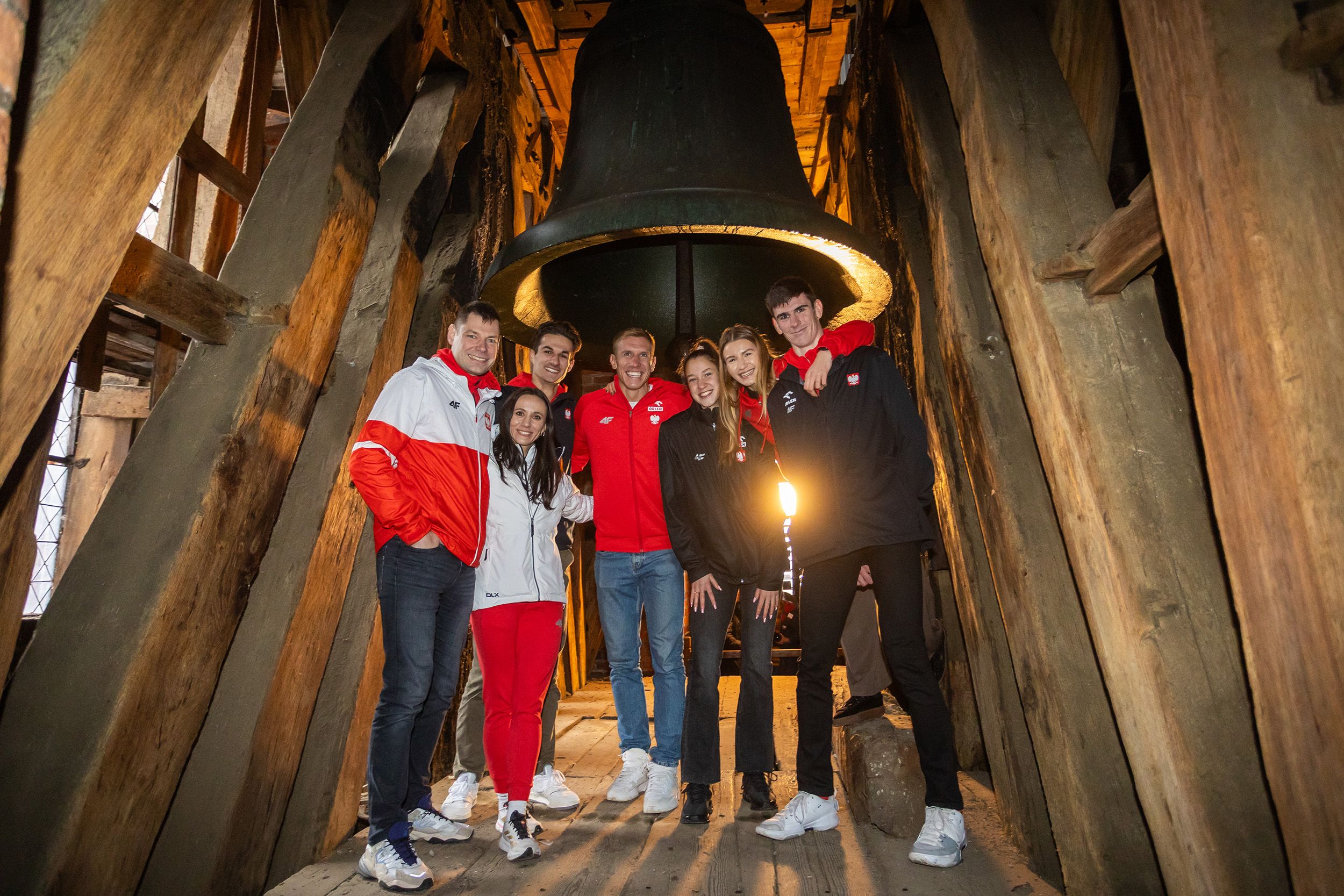
Towering above the Old Town rooftops, the massive walls belong to Toruń’s oldest church – the Cathedral of St. Johns. It was here, in 1473, that Nicolaus Copernicus was baptized, and here the heart of King John I Albert rests. On the cathedral tower hangs the largest medieval bell in Poland – Tuba Dei (The Trumpet of God), whose sound once welcomed kings arriving in Toruń. Today it rings only on special occasions. On the southern wall of the tower you will notice an unusual clock – the Flisak Clock, with a single hour hand ending in a pointing finger. Known as Digitus Dei – the Finger of God – its richly decorated face is directed toward the Vistula River, as it once served the raftsmen navigating its waters. The city’s favorable location on the Vistula contributed greatly to its historical development. Today, the Vistula traditions are celebrated during the annual Vistula Festival.
The Leaning Tower, once part of the medieval defensive system, is today the site of the “test of righteousness.” Anyone who can maintain balance while standing with their back against its tilted wall publicly demonstrates their honesty and loyalty. Military history enthusiasts will be impressed by Toruń’s fortifications, among the best-preserved defensive complexes in Europe. Visit the Toruń Fortress Museum and Fort IV to learn about life in the barracks and experience a thrill while walking through underground tunnels.
The Mill of Knowledge Modernity Center is a true kingdom for young scientists. Six floors filled with fascinating installations, interactive exhibitions, and unique exhibits allow visitors to conduct experiments themselves. Here you will discover that science can be a fascinating adventure. The center’s hallmark is the Foucault Pendulum, demonstrating the Earth’s rotation on its axis. In autumn, Toruń becomes the world capital of cinema. The EnergaCAMERIMAGE International Film Festival of Cinematographers attracts film lovers and world-class stars.
If the bustle of the city tires you, you can instantly move to the peaceful Polish countryside by visiting the Maria Znamierowska-Prüfferowa Ethnographic Museum. In its charming open-air museum you will find old cottages, farm buildings, a fire station, a blacksmith’s forge, a windmill, a water mill, and a fishing barge. Flower gardens, earth cellars, roadside crosses, and chapels complete the rural atmosphere. The architecture, interiors, and seasonal arrangements recreate the image of a late 19th- and early 20th-century village. In short – pure idyll!
What if you could travel to distant corners of the globe? Nothing easier! The Travelers’ Museum will take you to the ends of the earth, guided by the outstanding explorers Tony Halik and Elżbieta Dzikowska. Their expeditions resulted in an impressive collection of artifacts that now fill the museum. The Museum of Far Eastern Art, located in the House Under the Star, presents remarkable objects from China, Siam, Tibet, Japan, India, Thailand, and Vietnam.
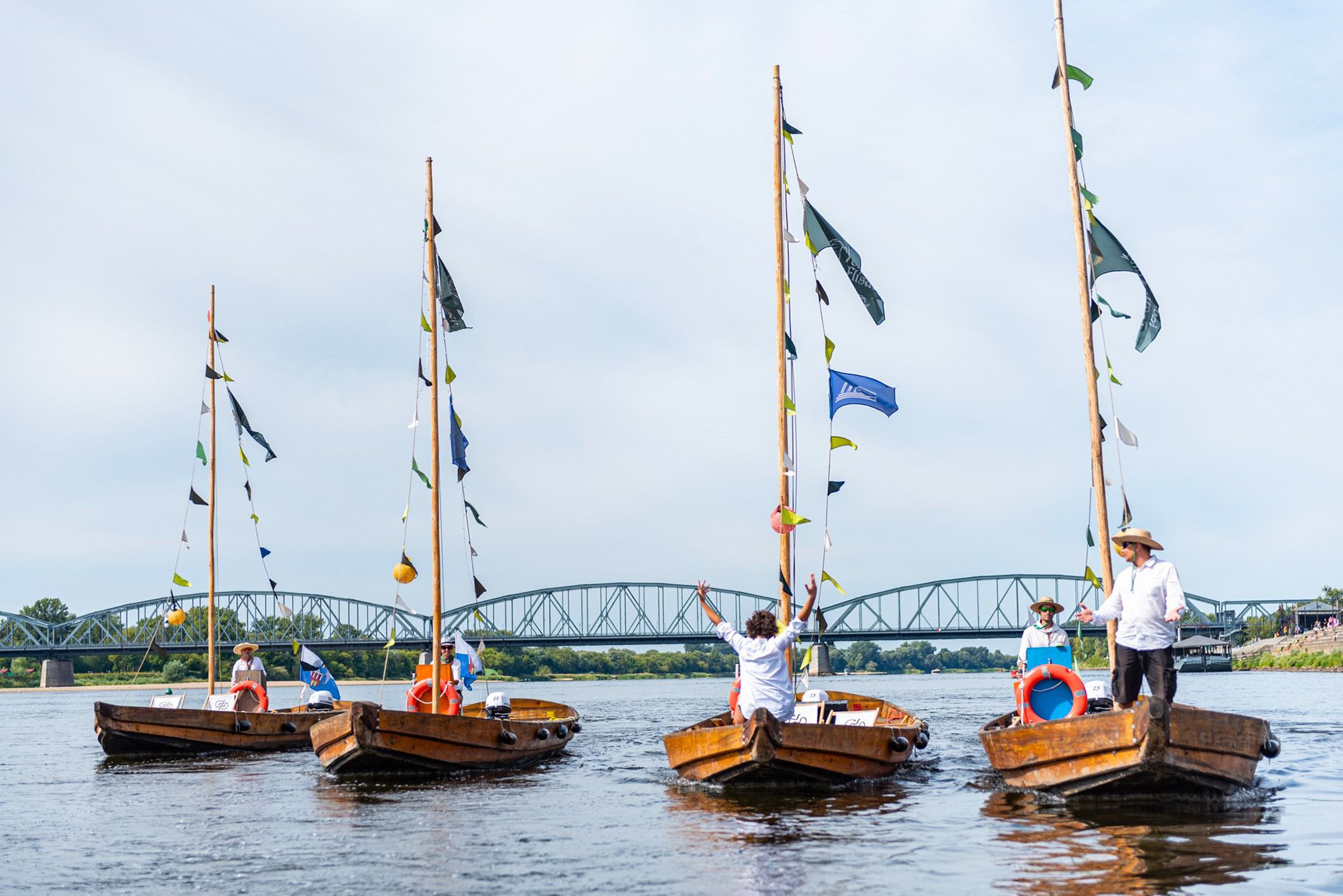
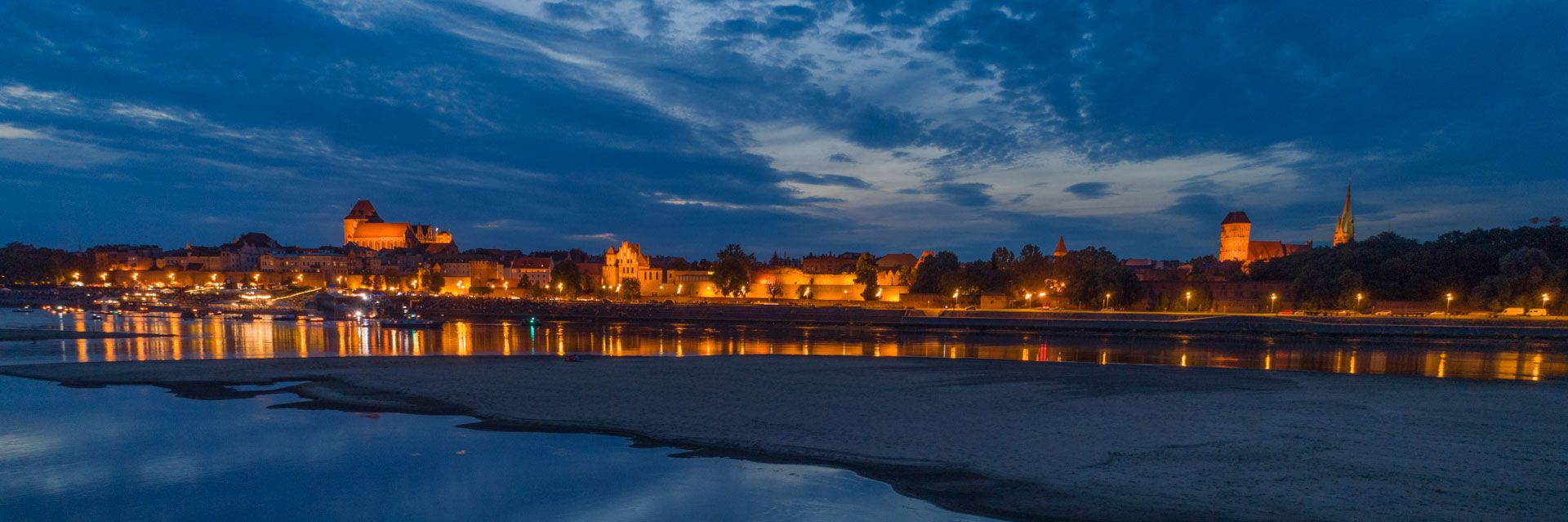
An out-of-this-world experience awaits you at the Planetarium – Toruń Popularization of Space Center. Sit back comfortably and journey across the vast Universe, learn about constellations, and discover the secrets of distant planets and galaxies. The panorama of Toruń – medieval walls with towers and gates, Gothic church spires, and the ruins of the Teutonic castle – is breathtaking whether admired from the Philadelphia Boulevard or from across the Vistula River. But how does it look from the water? Set off on an unforgettable cruise aboard a traditional Vistula boat and see for yourself. They say the view from the water is different… A starry sky and the Hanseatic town’s walls reflected in the waters of the Vistula create an unforgettable sight. Sit by the riverbank, look up at the sky, and enjoy the moment. As Nicolaus Copernicus once said: “Nothing is more beautiful than the sky, which encompasses all that is beautiful.”