World Athletics Partner
World Athletics Partner
World Athletics Partner
World Athletics Partner
World Athletics Media Partner
World Athletics Supporter
World Athletics Supplier
World Athletics Supplier
World Athletics Supplier
World Athletics Supplier



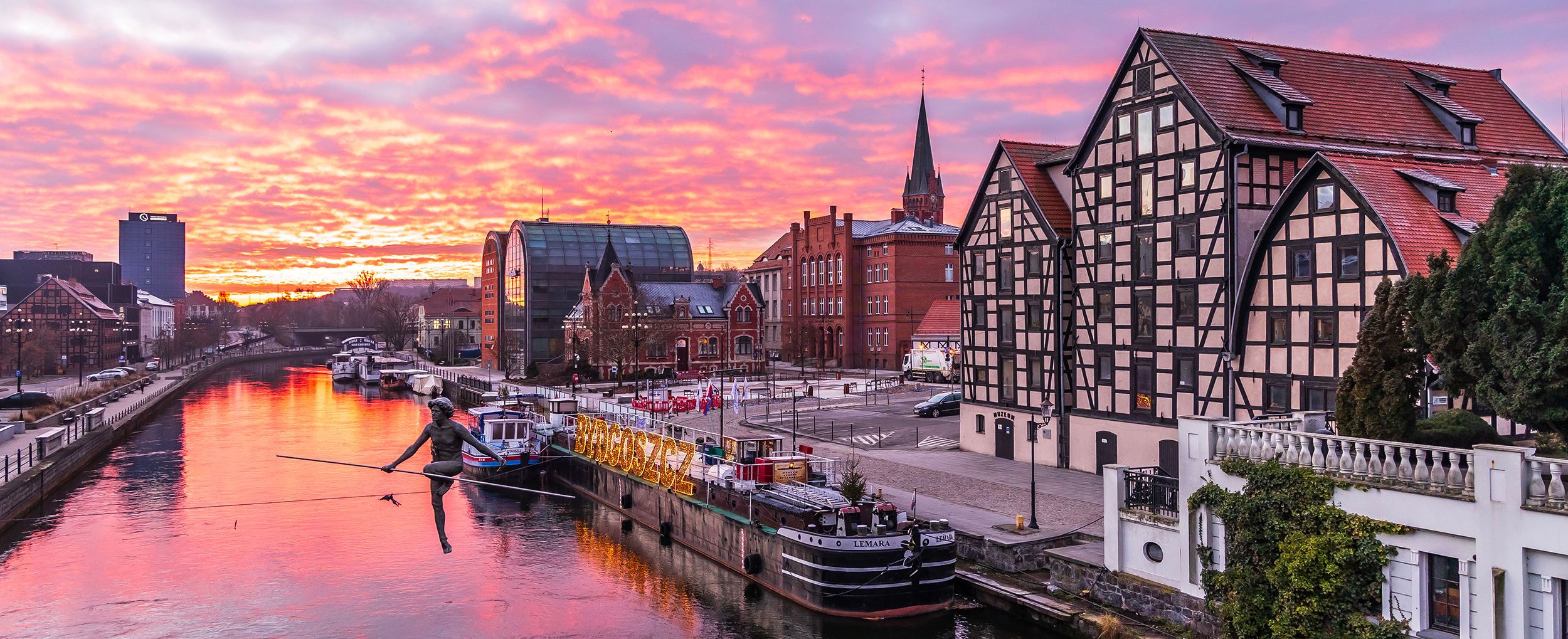
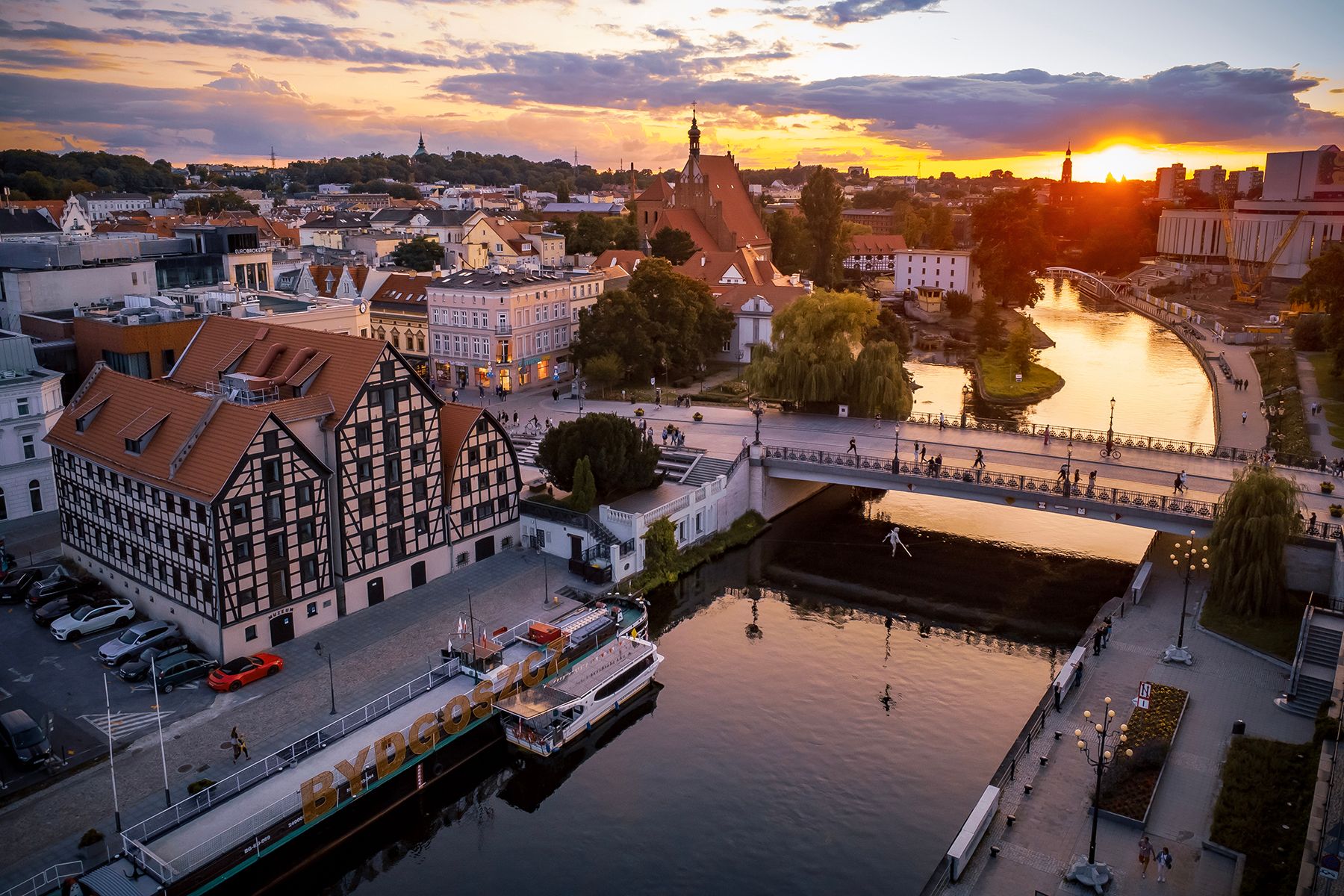
Many Polish cities emphasize their connection with water, but few use their potential as effectively as Bydgoszcz. The city draws strength from the energy of the river, listens to its craft traditions, recalls times of prosperity, and proudly reveals what makes it extraordinary and naturally charming. Mill Island, a green enclave in the very heart of the city, is undoubtedly one of its most captivating spots. It recalls the city’s milling traditions and the history of the Bydgoszcz Mint. Surrounded by water, it is bordered on one side by the swiftly flowing Młynówka, lined with 19th-century buildings known as Bydgoszcz Venice, and on the other by the main channel of the Brda River, where the Opera Nova and cathedral towers reflect in the water.
Rother’s Mills, a post-industrial complex dating back to 1842, now houses the Rother’s Mills Science and Culture Center. Today, its spaces are filled with science, creativity, cultural events, exhibitions, and unique gastronomy. Visit the permanent exhibitions and head to the viewing point to admire the city from above. In historic granaries and mills you will find exhibitions of the Leon Wyczółkowski District Museum. At the European Money Center you can see the Bydgoszcz Treasure – a unique collection of 486 gold coins, jewelry, and devotional items dating from the turn of the 15th and 16th centuries to the mid-17th century, discovered in 2018 during archaeological research in the cathedral. The Jerzy Sulima-Kamiński Old Town Bridge is the perfect place for a souvenir photo. From here you can admire the iconic view of the Brda River, historic waterfront buildings, and the famous sculpture “Man Crossing the River.” The three timber-framed granaries remind visitors of the crucial role river trade once played in the city’s life. Moored along the riverbank, the Lemara Barge tells the story of boatmen and the vibrant river life of the past.
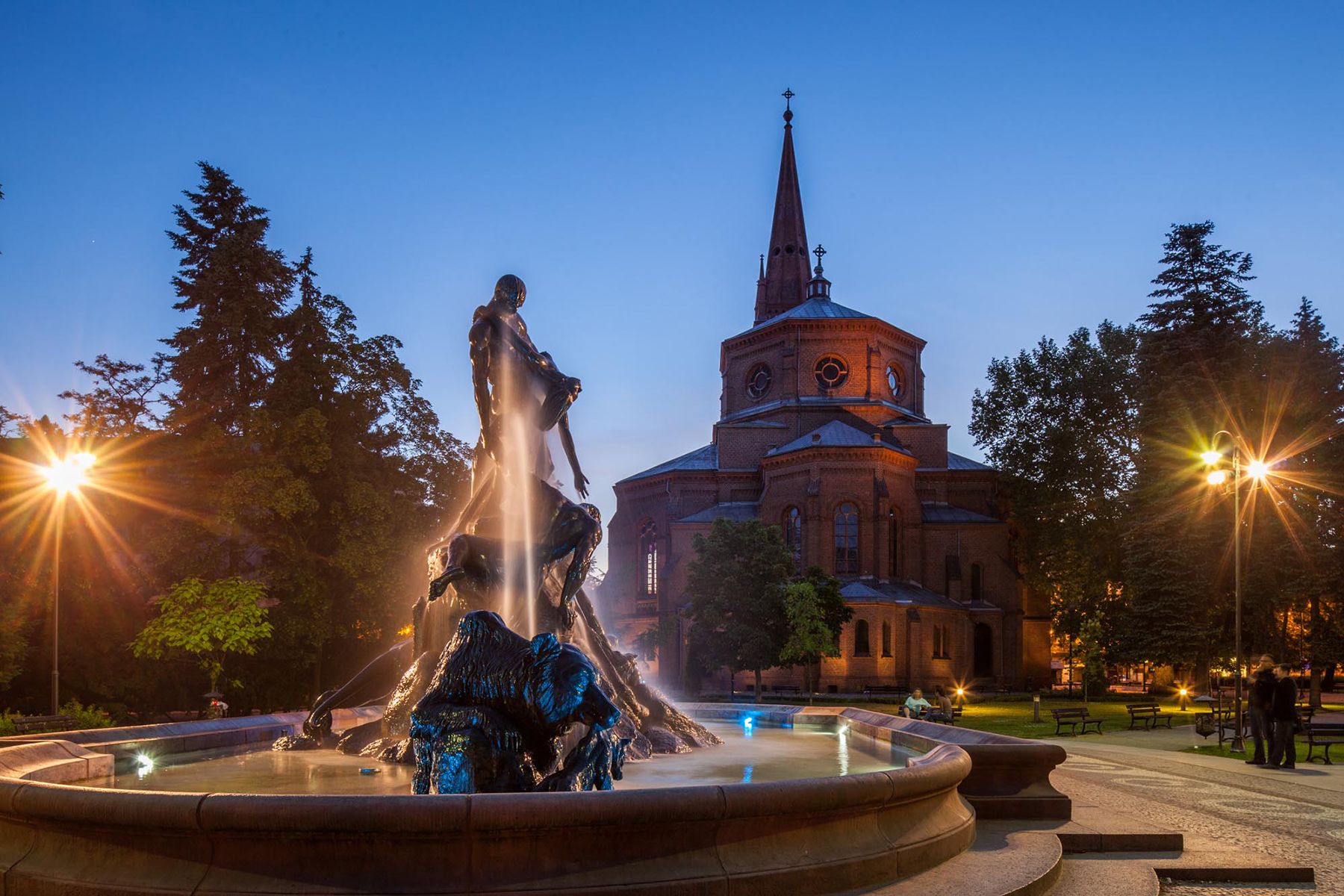
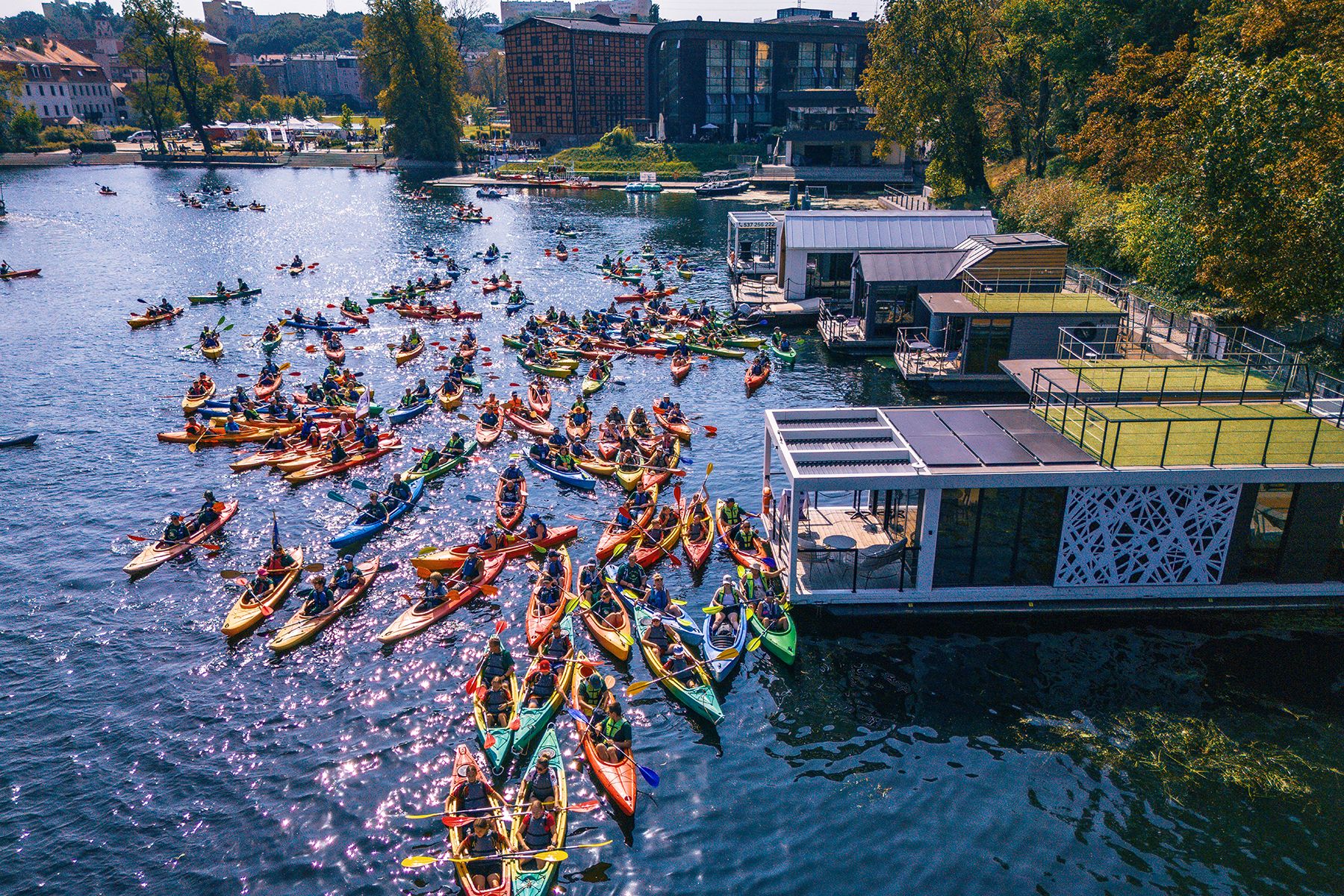
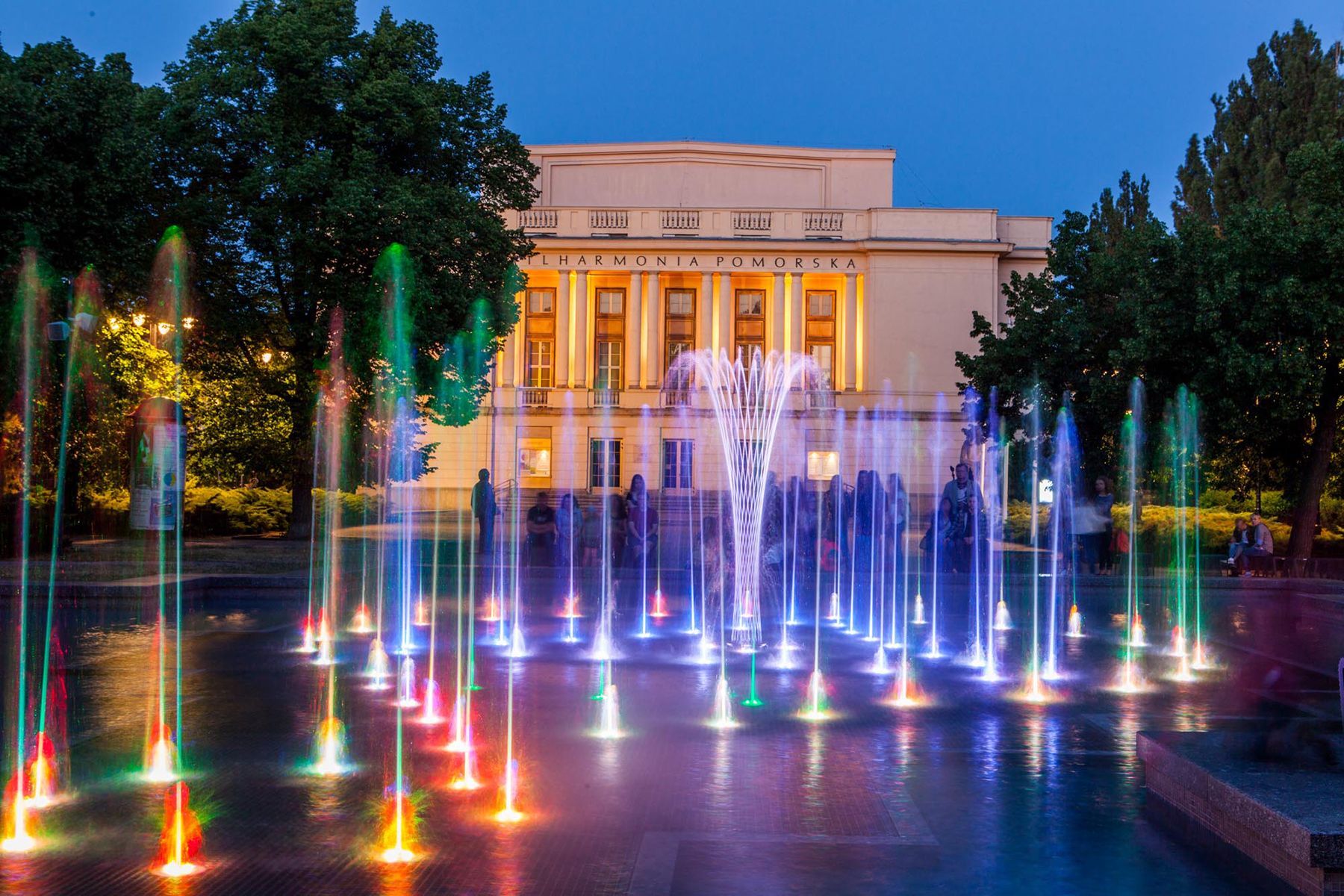
The Soap and History of Dirt Museum refers to Bydgoszcz’s traditions of bathhouses and soap production. In a humorous and unconventional way, it reveals the secrets of hygiene from antiquity to modern times. Cruising along the Brda River or the Bydgoszcz Canal allows you to understand the city’s inseparable bond with water. Whether by boat, kayak, houseboat, or pedal boat – one thing is certain: the city looks different from the water. The Music District, surrounded by Art Nouveau villas and the greenery of Jan Kochanowski Park, is home to the Pomeranian Philharmonic and the Polish Theatre. The city has long been known as the City of Music and in 2023 joined the UNESCO Creative Cities Network in the field of music. The monumental “Deluge” Fountain in Kazimierz Wielki Park is one of the most impressive fountains in Poland, especially beautiful after dark when illuminated.
For a different perspective, follow the trail of Bydgoszcz’s murals. This vibrant form of street art decorates not only building walls but even trees. On the outskirts of the city, in the forests of the Bydgoszcz Forest, you will find Exploseum – the former secret German explosives factory from World War II, a unique industrial heritage site preserved almost unchanged. To escape the city bustle, visit Myślęcinek Forest Park of Culture and Leisure – the largest urban park in Poland, located just 5 km from the city center.