World Athletics Partner
World Athletics Partner
World Athletics Partner
World Athletics Media Partner
World Athletics Supplier
World Athletics Supplier
World Athletics Supplier




Social Sustainability
WCH Oregon22 is expecting athletes from more than 200 member federations to compete in the World Athletics Championships from July 15–24 and wants to celebrate the inherent diversity of all people who will be participating in and attending the event. Driving change is one of the established strategic initiatives the LOC has established in shaping its goals and tactics as the host organization of the event.
WCH Oregon22 is also working closely with World Athletics, whose social responsibility program and sustainability strategy demonstrate a commitment to social inclusion, global equality, diversity, and accessibility and wellbeing. The LOC then designed a plan that facilitated the accomplishment of these broader goals.
Through the implementation of intentional diversity, equity, and inclusion measures across all areas of work, the LOC will ensure that leadership, workforce, vendors, campaigns, and promotional efforts reflect and uplift global athletes, guests, and community populations in ways that create a more just Oregon, long after the event is over.
The diversity, equity, and inclusion measures by the LOC are being applied inward in hiring and training of staff and volunteers, and outward by welcoming all visitors to WCH Oregon22. Earlier this spring, all LOC staff participated in JEDI (Justice, Equity, Diversity, Inclusion) training offered by RISE, a national nonprofit that educates and empowers the sports community to eliminate racial discrimination, champion social justice and improve race relations.
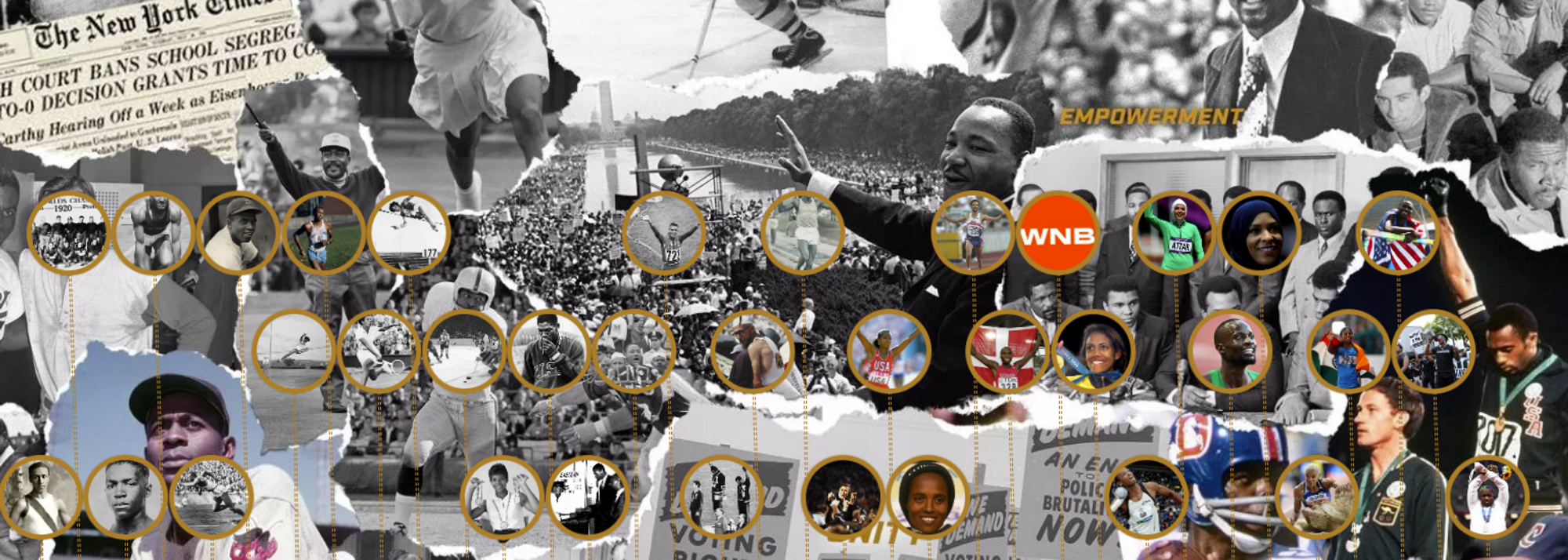
The LOC has also worked with RISE on an interactive timeline that promotes key figures throughout track and field’s history who overcame barriers based on their race, gender, and/or sexual orientation, and, in some cases, helped facilitate broader change. The timeline incorporates 25 athletes or moments that brought awareness to social issues that affect people around the world, stretching from 1904 when George Poage became the first Black American athlete to win an Olympic medal through the 2020 Tokyo Olympics. Among the athletes highlighted in this timeline are Jesse Owens, Ralph Metcalfe, Alice Coachman, Wilma Rudolph, Billy Mills, Tommie Smith and John Carlos, Derartu Tulu, Cathy Freeman, Bryan Clay, Sarah Attar, and Yulimar Rojas.
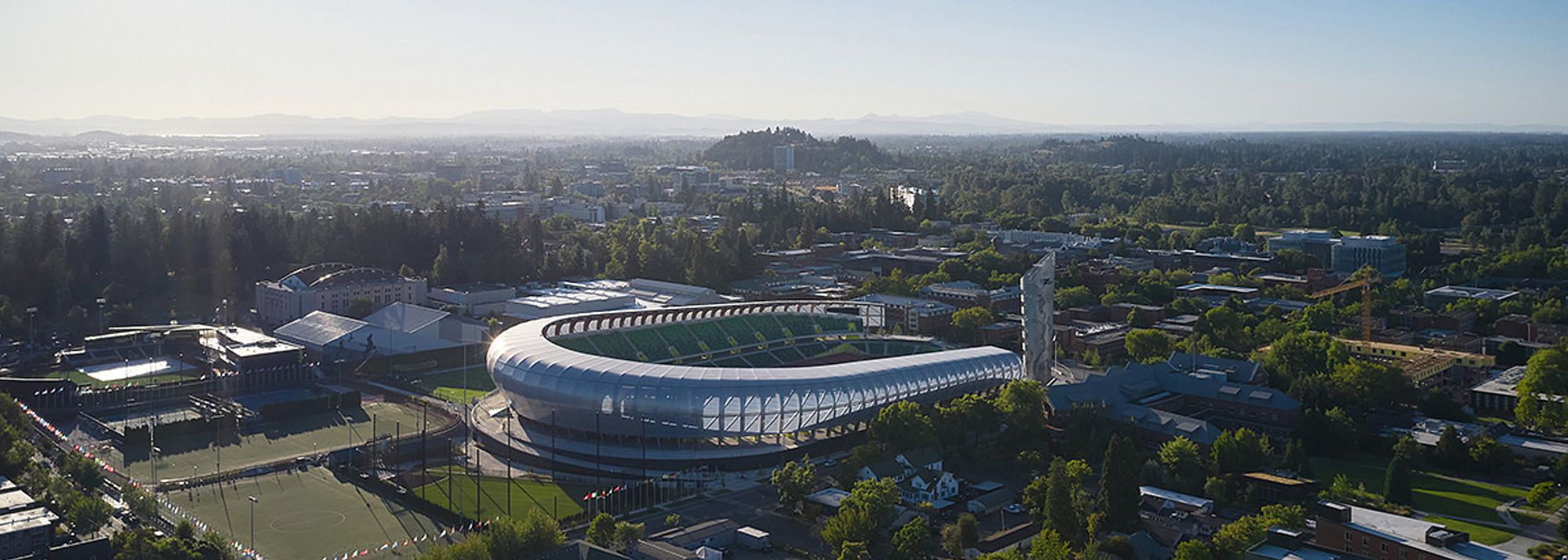
An interactive display highlighting nine of these athletes will be showcased outside Hayward Field during the Championships, and videos will play inside the stadium of two of these athletes in U.S. women’s shot putter Raven Saunders, the 2020 Tokyo Olympics silver medalist, and U.S. marathon runner Mark Plaatjes, the 1993 World Champion who left South Africa for a better life for his family in the United States.
Environmental Sustainability
From an environmental sustainability standpoint, WCH Oregon22 is focusing on materials management, a strategy that looks at the lifecycle impacts of materials. This includes reducing toxic materials, reducing the number of materials, ensuring materials can be reused, and ensuring that what cannot be reused is recycled.
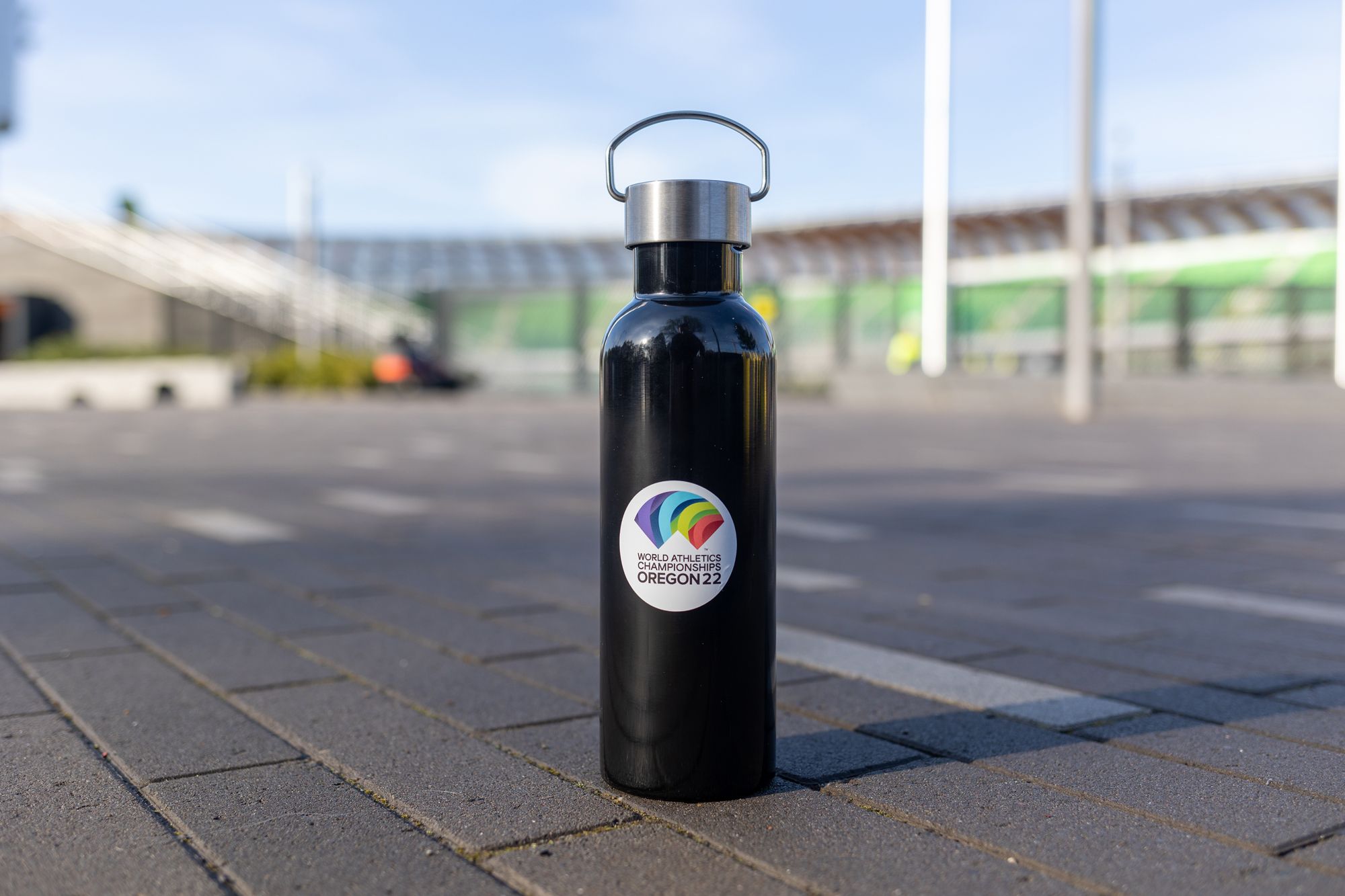
WCH Oregon22 will be launching a “Bring Your Own Water Bottle” campaign during the event. Fans, media, coaches, volunteers, and athletes are encouraged to bring their own empty water bottles and fill up at one of the many water stations that will be positioned around Hayward Field. There will be no restrictions on the size or dimensions of personal reusable bottles that people can bring into the stadium. In a significant effort to reduce the plastic waste associated with the World Championships, no single-use plastic water bottles will be sold inside the stadium.
The decision not to sell plastic water bottles in the stadium represents an unprecedented but necessary shift from previous large-scale sporting events.
Additionally, the WCH Oregon22 is working to minimize the impacts of transportation related to the operations of the event in several ways. Fans and participants will be encouraged to use alternative and active modes of transportation to get to the event, including walking and riding bicycles. Bike valets will be available as part of the event.
Reducing carbon emissions is also a top priority for the WCH Oregon22in its sustainability strategy. In collaboration with local fuel providers, the use of renewable diesel, biodiesel blends, and ethanol will be prioritized for use in the buses, vans, and other large modes of transportation associated with the event. The WCH Oregon22 will also be purchasing 100 percent renewable power from the local utility company to power operations at event facilities.
WCH Oregon22 will be relying on the expertise of Lane County Master Recycler volunteers to assist food vendors in collecting food waste that will be sent to a local composting facility, rather than a landfill. Food service ware made from paper, or fibers, is a common waste material generated at large-scale events. All food service ware will be collected and sent to an advanced fiber processing facility and made into cardboard boxes.